



























What Traditions Does Mexico Have? Top Cultural Practices You Should Know
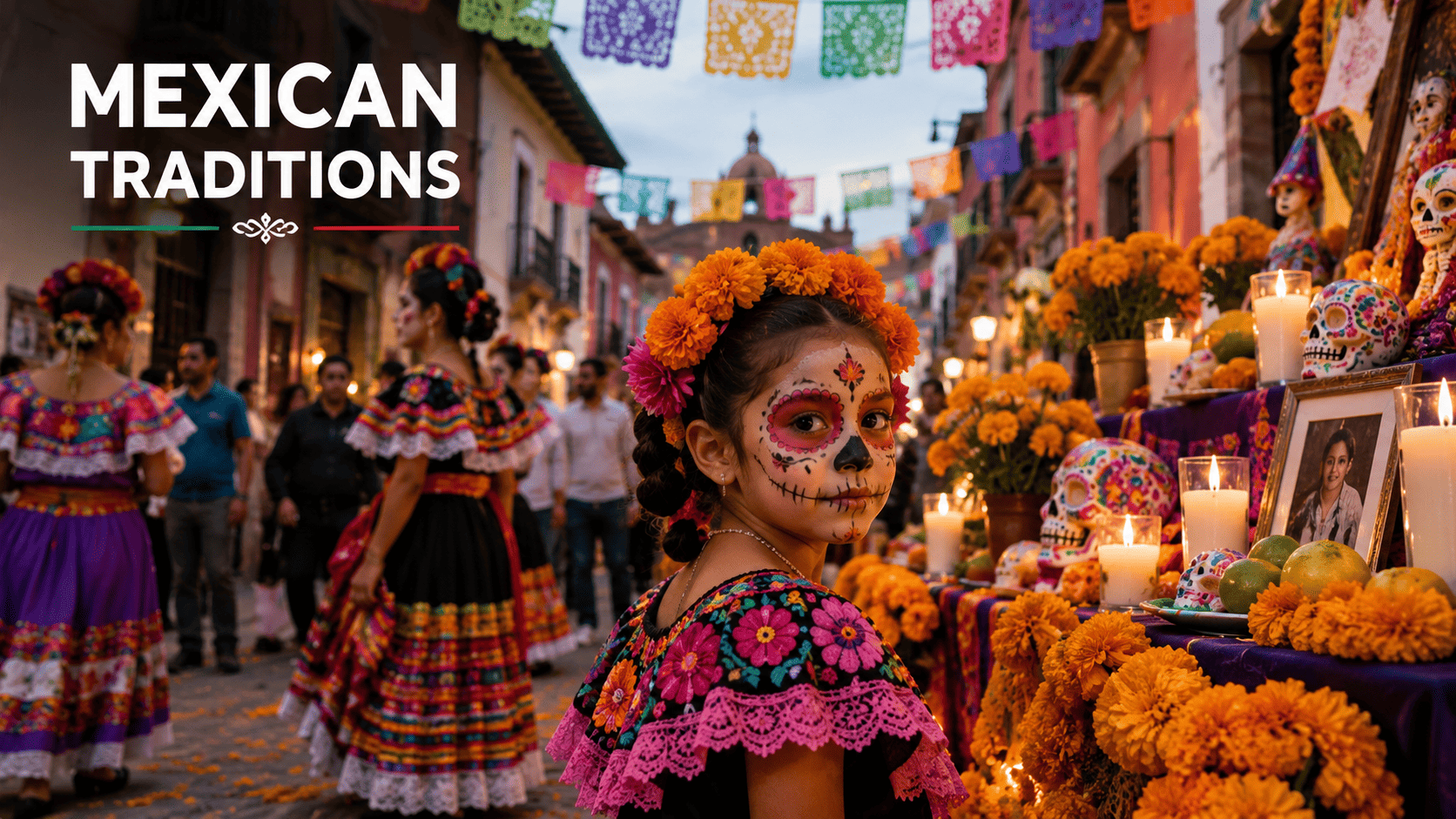
Table of Contents
- Summary
- 1. Introduction: Why Mexico’s Traditions Matter
- 2. Día de los Muertos: The Celebration of Life and Death
- 3. The Importance of Family and Community
- 4. Mexican Cuisine: A Tradition of Flavor and Heritage
- 5. Traditional Mexican Holidays and Festivals
- 6. Conclusion
Summary
Mexico is a country filled with culture, history, and unique traditions. From the colorful Día de los Muertos to the strong emphasis on family, community, cuisine, and festivals, Mexican traditions shape how people connect, celebrate, and communicate. Understanding these customs is important for businesses, immigrants, and anyone looking to build meaningful relationships with Mexican communities.
Why is Mexico so culturally rich and unique? Is it the food, the music, or the traditions that have been passed down for generations?
If you are planning to launch a business, partner with Mexicans, or even immigrate to Mexico, understanding Mexican traditions is crucial. Ignoring or misunderstanding these customs can lead to missed opportunities, miscommunications, and costly mistakes.
This post explores some of the most significant Mexican traditions and why they matter for anyone interacting with the country.
Key Insight: Understanding Mexican traditions is key to success in Mexico.
Introduction: Why Mexico’s Traditions Matter
Mexico’s traditions are deeply connected to its history, family values, religious practices, indigenous roots, and community life. These customs are not only part of celebrations; they influence daily communication, hospitality, business relationships, and social expectations.
For people engaging with Mexico through business, immigration, travel, or legal matters, cultural understanding can make communication smoother and more respectful.
Traditions help explain how people celebrate, build trust, honor family, and preserve identity across generations.
Día de los Muertos: The Celebration of Life and Death
Día de los Muertos, or Day of the Dead, is one of Mexico’s most famous traditions. It is celebrated every year on November 1st and 2nd. This holiday honors deceased family members and blends indigenous customs with Catholic practices.
Families set up ofrendas, or altars, decorated with the deceased’s favorite foods, photos, marigolds, candles, and meaningful personal items.
Key features of Día de los Muertos include:
- Ofrendas: Traditional altars set up in homes and at cemeteries.
- Sugar Skulls: A symbol of the holiday and a sweet treat.
- Papel Picado: Colorful paper cutouts used as festive decorations.
Día de los Muertos symbolizes that death is not an end, but an important part of life’s ongoing journey. This celebration brings families together to remember and celebrate their loved ones, making it a deeply cherished holiday in Mexican culture.
The Importance of Family and Community
In Mexican culture, family, or la familia, is everything. It is the core of society and plays a fundamental role in daily life.
Families in Mexico are often extended, with multiple generations living close together and spending meaningful time together. From birthdays to religious holidays, family gatherings are an essential part of Mexican traditions.
Key Insight: Family and community are the essence of Mexican culture.
Community life in Mexico is closely tied to family life. People often turn to their neighborhoods for support, celebrations, and companionship.
In rural and urban areas alike, community bonds are strong, and neighbors often help each other in both joyful and challenging times. This interconnectedness creates a strong sense of belonging and unity.
Mexican Cuisine: A Tradition of Flavor and Heritage
Mexican cuisine is a major part of the country’s cultural identity. It includes a rich variety of dishes rooted in history, geography, and indigenous influences.
Traditional Mexican food is often made with locally sourced ingredients and includes recipes that have been passed down for generations.
Popular Mexican dishes include:
- Mole: A flavorful sauce made with chilies, chocolate, and spices.
- Tamales: Corn dough filled with meats, cheese, or vegetables, wrapped in leaves and steamed.
- Tacos: A globally recognized dish, typically filled with meats, seafood, or vegetables.
Mexican cuisine also plays an important role in cultural and religious celebrations. For example, during Día de los Muertos, families prepare pan de muerto, or bread of the dead, to honor the deceased.
Food in Mexico is not only about nourishment. It is also about bringing people together and sharing cultural traditions.
Traditional Mexican Holidays and Festivals
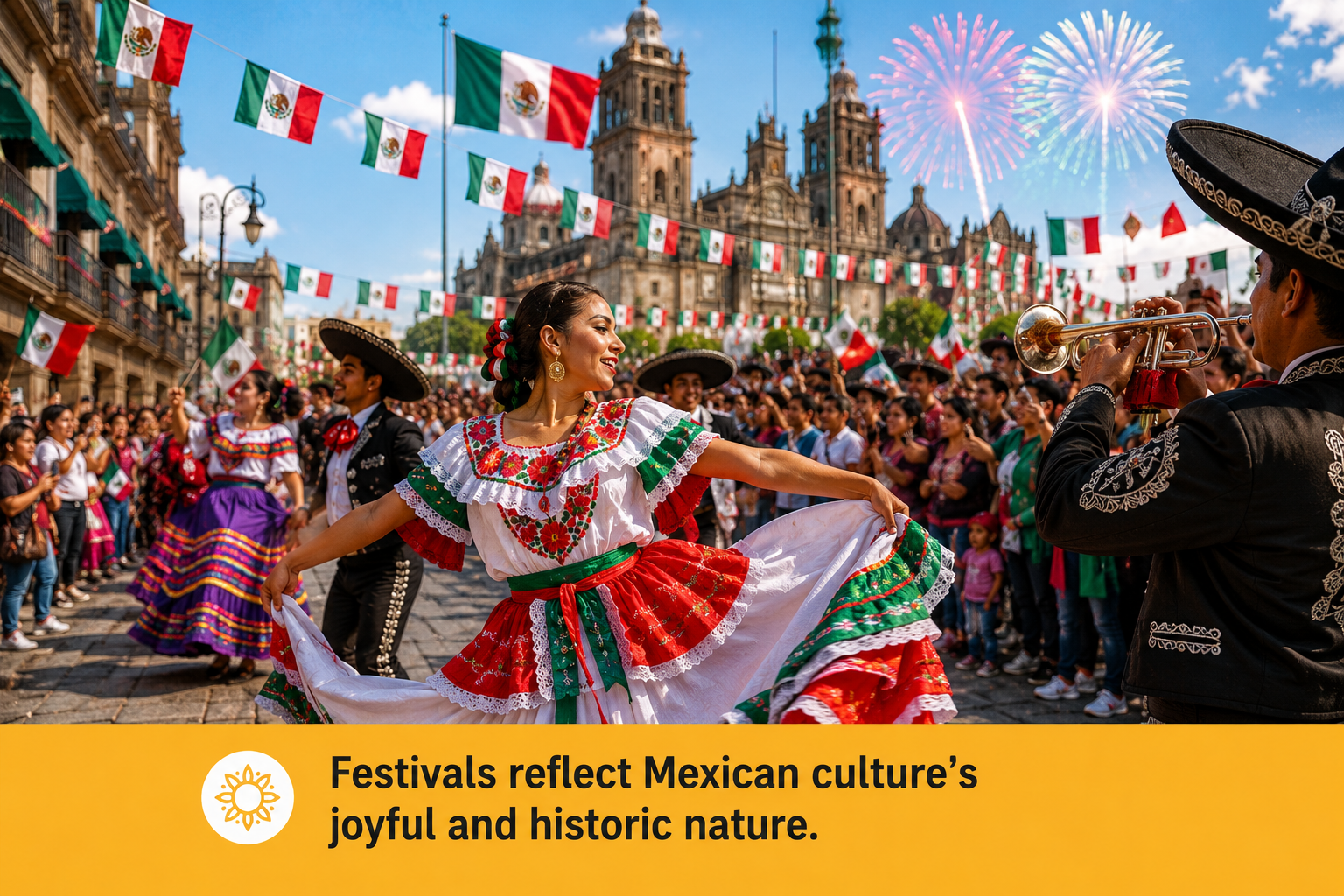
Mexico is known for lively and colorful festivals that blend indigenous and Catholic influences. These celebrations reflect the country’s history, faith, music, food, and community spirit.
Some of the most well-known celebrations include:
- Las Posadas: Celebrated from December 16–24, this Christmas tradition reenacts Mary and Joseph’s search for shelter.
- Independence Day: Celebrated on September 16, this national holiday commemorates Mexico’s independence from Spain with parades, fireworks, and parties.
- Cinco de Mayo: This holiday celebrates Mexico’s victory over French forces at the Battle of Puebla. While widely known in the U.S., it is not Mexico’s Independence Day.
Key Insight: Festivals reflect Mexican culture’s joyful and historic nature.
These holidays are marked by music, dancing, food, and vibrant costumes. Each celebration showcases Mexico’s rich cultural background and helps preserve traditions across generations.
If you are planning to interact with Mexican communities, whether for business or personal reasons, understanding these customs is essential to building strong and respectful relationships.
Conclusion
Mexico’s traditions provide a rich and colorful window into its culture, history, and values. Whether celebrating Día de los Muertos, embracing the family-oriented lifestyle, or enjoying the country’s diverse culinary heritage, these traditions are an essential part of Mexican life.
For businesses, immigrants, or anyone engaging with Mexico, understanding these customs can help create stronger connections and more respectful communication.
At The Spanish Group, we understand the importance of cultural sensitivity in communication. Our professional translation services help ensure that your legal, business, and marketing documents are not only linguistically accurate but also culturally appropriate. Our certified translators are here to help you navigate the complexities of the Mexican cultural landscape.
Key Takeaways:
- Día de los Muertos is a unique Mexican celebration that honors the dead.
- Family and community are central to Mexican life and traditions.
- Mexican cuisine reflects the country’s diverse cultural influences.
- Understanding Mexican holidays and festivals is key to engaging with the culture.