



























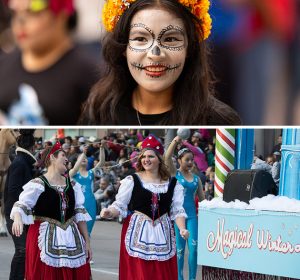
Introduction
The line that cuts Mexico from the United States is more than a map line. It marks two societies that grew in different ways, live in different places and think about the world in different ways. Money and migration make the two countries talk a lot, but the habits that shape daily life stay quite different. This essay looks at the biggest gaps – language and how people talk, family ties, idea of time, food and how we eat, holidays and how we celebrate, and how much personal space we give each other. By showing these gaps we can see why it matters to know each other’s ways, especially now that the two nations are so linked.
- Language and Communication
Mexico’s language map is a patchwork. Spanish is the official tongue, but hundreds of Indigenous languages – Nahuatl, Maya, Mixtec, Zapotec – are still spoken. Those languages are not dead; they are alive in villages, in markets, in family stories. Even Spanish in Mexico carries a lot of courtesy. The word usted shows respect, mostly to elders or strangers. Mexicans also tend to be indirect. They will soften a request with “maybe we could…?” or use a question to avoid sounding rude. Gestures and facial expression fill in the gaps.
In the United States the picture looks different. English dominates the public sphere, even though many immigrants keep speaking Spanish, Chinese, Tagalog and dozens of others at home. American speech leans toward being plain and fast. People say “I think…” or “I want…” straight away. Titles are often dropped; even a boss may be called by first name. The idea that everyone is equal makes the language less formal.
A quick detour: Asian languages like Korean or Japanese have very detailed honorifics that mark rank. That shows the use of speech to keep distance isn’t just Mexican or American – it’s a world‑wide tool.
What to know about The Use of “Honorifics” in Asian Languages?
- Family and Social Structure
Mexican families usually stretch far beyond the parents and kids. Grandparents, aunts, uncles, cousins – many live together or visit each day. Sundays often mean a big comida that several generations share. Kids are expected to help with chores, look after elders, and keep sending money home even after they move out. This comes from a past where farming and city life needed many hands.
American culture pushes the idea of the individual. When you finish high school many people move into their own place, take loans, chase a job in another state. The family still matters, but the normal picture is each person doing their own thing. The welfare system, cheap apartments, and the idea of “making it on your own” back that up.
Think about a Mexican Sunday: plates of enchiladas, tamales, and a pot of atole pass from the kitchen, stories flow while the radio plays rancheras. Contrast that with an American Thanksgiving where most of the family may have flown from across the country, the turkey comes out, everyone eats, then folks go home again. The two meals tell us how each culture balances group duty and personal choice.
- Time Perception and Punctuality
Time in Mexico is often fluid. The word “mañana” can really mean “later, maybe next week.” Meetings start when people feel ready, not at a precise hour. Deadlines are seen as goals rather than hard walls. It doesn’t mean people are lazy; they just value the personal link over the clock.
In the United States the clock is king. Showing up late can be read as disrespect. Business meetings typically start on the dot, and “time is money” drifts into everyday talk. Calendars, reminders, performance scores all push a strict schedule.
Picture a trade talk: the Mexican side may wander in half an hour late, greet everyone with a drink, and talk a bit before the agenda. The American side expects the agenda at the exact start time; any delay feels like a loss of bargaining power. Without knowing each other’s rhythm, misunderstandings happen.
- Cuisine and Dining Etiquette
Mexican food is famous for its taste and meaning. Corn, beans, chilies, avocado form dishes like tacos al pastor, Oaxacan mole, and sweet tamales. Food is often a communal event. The host says “¡buen provecho!” and everyone waits for the eldest or the cook to start. Meals are slow, people chat, stories unfold.
In the United States food mirrors its melting‑pot history. Burgers, hot dogs, apple pie are symbols, but you can also find sushi on a corner, falafel in a market, or pho in a downtown. Dining is often quicker, especially at work. People usually start eating once plates are on the table; the focus is on getting the fuel quickly. Still, a host may say “dig in” or offer seconds as a friendly gesture.
Mexican meals often act as cultural glue. A comida can last hours, giving space for grandparents to pass down sayings. In the United States lunch is frequently alone at a desk, or a fast‑food stop, reinforcing a more independent pace.
- Holidays and Celebrations
Mexican holidays blend Indigenous rites and Catholic faith. Día de Muertos is a bright celebration of ancestors, with bright altars, sugar skulls, and marigolds. Grito on September 16th repeats a call to freedom, full of music and fireworks. Semana Santa and the feast of Nuestra Señora de Guadalupe also blend prayer, parades and community meals.
American holidays show a wider mix. Thanksgiving is about a harvest story, turkey and thanks, but also about charity. Independence Day spikes fireworks and the flag, while Halloween is candy, costumes and spooky fun. Because the population is so diverse you also see Hanukkah, Eid, Diwali, and many more in the public square. Those celebrations tend to be less tied to one national religion and more about personal choice and civic pride.
The contrast shows Mexico’s festivals often reinforce a collective identity, while U.S. holidays often let each person pick how to join in.
- Personal Space and Physical Contact
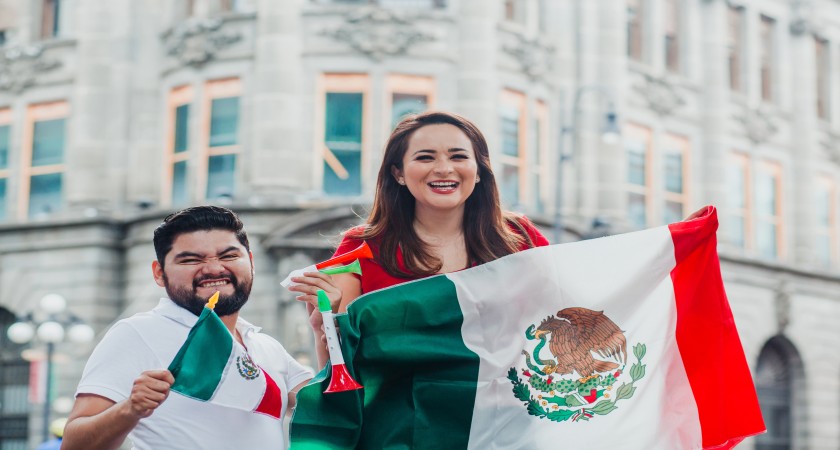
In Mexico people stand close, touch often. A pat on the back, a quick hug, even a kiss on the cheek for friends are normal. In a market an extra inch of proximity signals friendliness, not intrusion.
Americans value a bigger bubble. An arm’s length is typical even among friends you just met. Handshakes are the main formal greeting. Touching strangers can be seen as odd. Offices even build cubicles to keep space apart.
So a Mexican tourist might lean in on a bus seat to chat with a stranger, while an American rider might step back, clutch a pole, and stare straight ahead. Knowing the difference prevents awkward moments.
Conclusion
Language, family, time, food, holidays, personal space – all of these show general patterns that set Mexico and the United States apart. Of course, individuals break the rules, but spotting the big picture helps avoid mistakes, builds empathy, and lets the two sides work together better. In a world where the border is porous to ideas and people, learning these cultural clues isn’t just polite; it’s essential for a future where both nations grow together, respecting each other’s habits while sharing what they have to offer.
FAQs
1. Do all people in Mexico and the USA follow these cultural patterns?
No. These differences describe general trends, not fixed rules. Urban youth, border communities, and people with international experience often blend cultural traits from both countries. Culture is lived, flexible, and shaped by personal background as much as nationality.
2. How do these cultural differences affect work and business relationships?
They strongly influence expectations. In Mexico, building trust and personal relationships often come before contracts and deadlines. In the USA, efficiency, clear roles, and punctuality usually come first. Understanding these differences helps avoid frustration and improves collaboration.
3. Why is family more central in Mexican culture than in American culture?
Mexico’s strong family ties come from Indigenous traditions, Catholic values, and a history where survival depended on close-knit communities. In the USA, economic mobility, individual opportunity, and social systems encouraged independence at an earlier age.
4. How should travelers adjust when visiting the other country?
Travelers to Mexico should expect more physical warmth, flexible timing, and slower meals. Visitors to the USA may need to respect punctuality, personal space, and direct communication. Small adjustments show respect and make interactions smoother.
5. Can cultural differences between Mexico and the USA change over time?
Yes. Migration, technology, media, and cross-border trade constantly reshape cultural habits. Younger generations in both countries often share music, food, and online culture, even while holding onto traditional values at home.