



























Top 10 Fascinating Elements of Mexican Culture You Should Know
Table of Contents
- Summary
- Key Takeaways
-
- 1.The Influence of Aztec Culture
- 2.Mexican Traditions and Family Values
- 3.Day of the Dead: A Celebration of Life and Death
- 4.Mexican Cuisine: Flavors of the Heart
- 5.Mariachi Music: The Soul of Mexico
- 6.Vibrant Festivals Across Mexico
- 7.Traditional Mexican Clothing
- 8.The Mexican Heritage of Art and Architecture
- 9.Mexican Folklore and Legends
- 10.Language and Regional Dialects in Mexico
- Conclusion
- Key takeaway
- FAQ´s
Summary
Mexico is a country that's like a big mix of old and new things. You can see ruins and modern buildings right next to each other. The countrys art, food, language and customs are all mixed together. They still keep their own special identities. To really understand what makes Mexicos culture so unique you have to look at the parts that make it up.
1. The Aztecs and their Influence of Mexico
The Aztecs were a part of Mexicos history. They built a city with pyramids and temples and their society was divided into different classes. The Aztecs were also farmers and they built special floating gardens on the lakes. These gardens were like beds of soil that floated on the water and they were used to grow all sorts of crops. The Aztecs also had a language called Nahuatl, which is still spoken by some people today. You can see the Aztecs influence in parts of Mexico from the food people eat to the buildings they live in.
2. Family and Traditions in Mexico
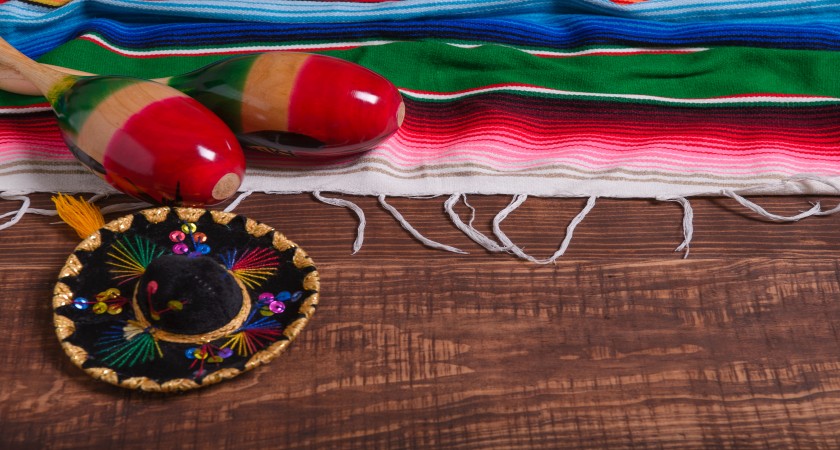
Family is very important in Mexico. People respect their grandparents and other older relatives. They often ask for their advice. When someone has a birthday or gets married the whole neighborhood comes together to celebrate. These celebrations are like parties with music, food and dancing. People also work together to help each other out like when someones roof's leaking and they need help fixing it.
Mexican family ties are very strong. They are based on respect and working together. These ties help keep people connected to each other and to their community. They also help teach people values like respect, hard work and loyalty.
3. The Day of the Dead
The Day of the Dead is a holiday in Mexico. It is a time when people honor their ancestors and remember those who have died. Families build altars in their homes with pictures of their loved ones, flowers and favorite foods. They also visit cemeteries. Decorate the graves with flowers and other offerings. The Day of the Dead is a time for people to come together and celebrate the lives of those who have passed away.
The holiday has its roots in the Aztecs beliefs about death and the afterlife. The Aztecs believed that death was not the end but a transition to a new stage of life. This belief is still a part of Mexican culture today.
.
4. Mexican Cuisine: Flavors of the Heart
Mexican food is a part of the countrys culture. It is a mix of ingredients and cooking styles with a focus on fresh vegetables, meats and spices. One of the famous Mexican dishes is mole, which is a sauce made from chocolate, spices and nuts. People also love to eat tacos which're like little sandwiches made with meat, cheese and vegetables. Mexican food is not about eating it is also about sharing meals with family and friends.
Mexican cuisine tells the story of Mexicos past and present. It is a mix of cultures and ingredients with a focus on fresh local foods. You can find food all over the world from street vendors to fancy restaurants.
5.Maria chi Music: The Soul of Mexico
Mariachi music is a part of Mexican culture. It is a type of music that originated in the state of Jalisco. It is known for its lively rhythms and colorful costumes. Mariachi musicians play instruments like guitars, violins and trumpets. They sing songs about love, patriotism and everyday life. Mariachi music is not about entertainment it is also about telling stories and preserving traditions.
Mariachi musicians are like ambassadors of culture. They travel over the world playing music and sharing their countrys traditions with others. They wear costumes like charro suits, which are decorated with intricate embroidery and other ornaments.
6.Festivals in Mexico
Mexico has festivals and celebrations throughout the year. One of the famous is the Carnaval, which is like a big party before Lent. People dress up in costumes dance in the streets. Eat special foods. Another important festival is the Guelaguetza, which's a celebration of indigenous cultures. People come together to share food, music and dances and to honor their ancestors.
These festivals are like gatherings, where people come together to celebrate and have fun. They are a part of Mexican culture and they help keep traditions alive.
7.Traditional Mexican Clothing
Traditional Mexican clothing is very colorful and ornate. People wear costumes like charro suits, which are decorated with intricate embroidery and other ornaments. Women wear dresses like the huipil, which is a handmade blouse from the state of Yucatan. These dresses are decorated with designs and patterns which tell stories about the wearers family and community.
People in regions of Mexico wear different types of clothing depending on the climate and their cultural traditions. For example people in the state of Chiapas wear serapes, which are like big blankets that keep them warm.
8.The Mexican Heritage of Art and Architecture
Mexican art and architecture are very unique and expressive. People build buildings, like pyramids and temples which are decorated with intricate carvings and other ornaments. Artists create murals, which tell stories about Mexican history and culture. These murals are like paintings, which cover the walls of buildings and other structures.
Mexican art is not about creating beautiful things it is also about preserving traditions and telling stories. Artists use materials, like stone, wood and paint to create their works of art. They also use techniques, like carving and weaving to create intricate designs and patterns.
9.Mexican Folklore and Legends
Mexican folklore is full of stories and legends which have been passed down from generation to generation. One of the famous stories is about the Llorona, which is like a ghost who haunts the rivers and lakes. Another story is about the Chupacabra, which's like a monster that attacks animals. These stories are like myths, which teach people lessons about life and the world around them.
Mexican folklore is not about entertaining people it is also about preserving traditions and cultural values. These stories are like a way of sharing knowledge and experiences. Of keeping people connected to their community and their heritage.
10.Language and Regional Dialects
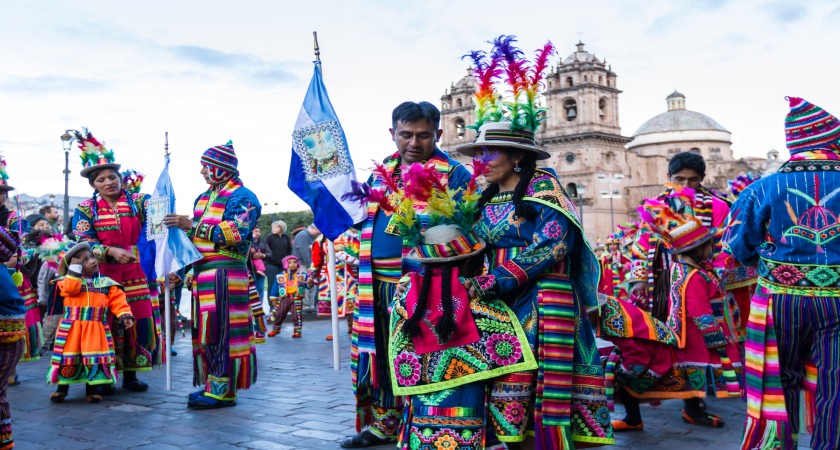
Mexico has different languages and dialects which are spoken by people all over the country. The official language is Spanish. There are also many indigenous languages, like Nahuatl and Maya. People in regions of Mexico speak different dialects, which are influenced by their cultural traditions and history.
Language is a part of Mexican culture and it is a way of preserving traditions and cultural values. People use language to communicate with each other to share stories and experiences and to express themselves.
Mexico is a country with an diverse culture. The different parts of culture like the Aztecs, family traditions, food, music, festivals, clothing, art, folklore and language all come together to create a unique and vibrant whole. These parts are like threads in a tapestry, which are woven together to create a beautiful and intricate design.
Conclusion
The ten pieces we pulled apart – Aztec roots, tight family customs, bright death rituals, inventive food, driving mariachi sounds, lively festivals, iconic clothing, bold art‑architecture mix, haunting legends and many tongues – all stitch together Mexico’s unmistakable cultural patchwork. Each thread holds its own color but keeps looping back through shared symbols like the feathered serpent or marigold petals that appear in rituals, meals and paintings alike. This mix shows that keeping old ways does not block new ideas; it actually feeds fresh expression. Knowing how these parts intersect lets us see beyond just Mexico’s eye‑candy or tourist pictures and into real appreciation of a nation that keeps rewiring its identity while staying true to deep history. With that knowledge scholars and travelers can walk deeper into Mexico’s streets, feeling empathy jump borders and bringing richer cross‑culture chat.
Key Takeaways
- Mexican culture stems from old customs and current trends.
- Day of the Dead seems to celebrate both living and passing moments.
- Mariachi sounds and traditional dress appear central to the nation’s identity.