



























El idioma es una invención fascinante y sorprendente que nos permite comunicar nuestros pensamientos, sentimientos e ideas entre nosotros. Aunque está ampliamente aceptado que los idiomas evolucionan de forma independiente a lo largo del tiempo, resulta sorprendente descubrir que algunos idiomas no relacionados entre sí comparten similitudes inesperadas. Estas similitudes pueden proporcionarnos una perspectiva de […]
Category Archives: Cultures
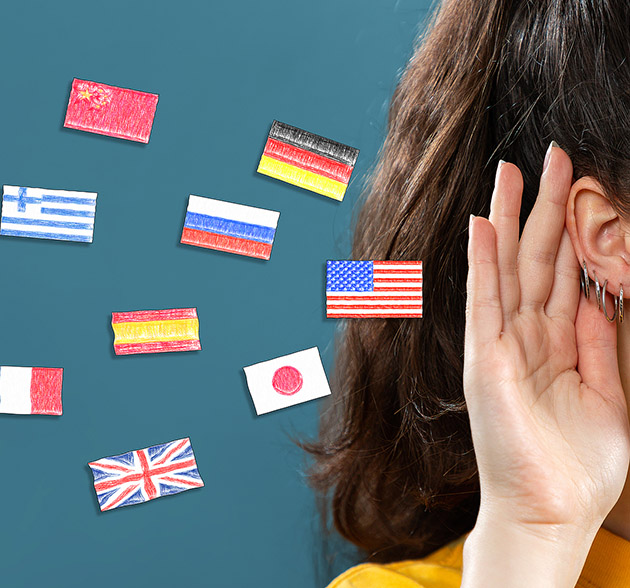
Surprising Similarities Between Unrelated Languages
Language is maybe the coolest thing humans made. It lets us turn thoughts into sounds or marks. People often think every language grew apart, each one getting its own words, rules and sound patterns. Yet when we look around the world we see many oddly close matches: words that sound alike even though they belong […]
Untranslatable Wonders: Unlocking the Meanings of Words Across Languages
Sep 25, 2023 Summary Untranslatable words are unique terms that express emotions, experiences, or ideas without direct equivalents in other languages. They reflect cultural values and offer deep insight into how different societies perceive the world. Examples include “saudade” in Portuguese, describing deep longing, and “hygge” in Danish, representing cozy comfort. These words often require […]
Exploring the Ethical Dimensions of Translation and Cultural Sensitivity
In an increasingly interconnected world, translation serves as a bridge that enables communication between different cultures, languages, and societies. However, the act of translation is not merely about transferring words from one language to another; it carries profound ethical implications and requires a high level of cultural sensitivity. This blog post delves into the complex […]
Exploring Cultural Differences Between Mexico and the USA
Introduction The line that cuts Mexico from the United States is more than a map line. It marks two societies that grew in different ways, live in different places and think about the world in different ways. Money and migration make the two countries talk a lot, but the habits that shape daily life stay […]

Desbloqueando el idioma secreto de las emociones: un viaje cultural a través de las palabras y los gestos
Jul 17, 2023 Resumen: El idioma y los gestos reflejan cómo diferentes culturas expresan emociones como felicidad, amor, dolor e ira. Las expresiones lingüísticas, las tradiciones y el lenguaje corporal pueden tener significados muy distintos según la cultura. Comprender estas diferencias ayuda a evitar malentendidos y favorece una comunicación intercultural más eficaz. Explorar los […]
Unlocking the Secret Language of Emotions: A Cultural Journey through Words and Gestures
Language is a powerful tool that not only helps us communicate information but also serves as a gateway to understanding the diverse ways in which emotions and feelings are expressed across cultures. Each culture has its unique set of linguistic expressions, idioms, and gestures that encapsulate and convey a wide range of emotions. In this […]
The Importance of Cultural Knowledge in Translation: Bridging the Language Barrier
In an increasingly interconnected world, translation plays a vital role in facilitating effective communication between individuals and cultures. It enables the exchange of ideas, fosters international cooperation, and opens doors to global opportunities. However, translating a text accurately goes beyond mere word-for-word conversion; it requires a deep understanding of cultural nuances. Cultural knowledge is the […]
Translating for the Latino Market: 5 Common Mistakes to Avoid
If you’re looking to target the Latino market with your products or services, you may be aware of the importance of accurate and culturally appropriate translations. However, even the most experienced translators can make mistakes that can have a negative impact on your marketing efforts. In this blog post, we’ll explore five common translation mistakes […]
The Use of “Honorifics” in Asian Languages
Summary The article explains that honorifics in Asian languages are essential tools used to express respect, social hierarchy, and relationships between speakers. Common in languages like Japanese and Korean, honorifics involve specific words, verb forms, and sentence structures that reflect age, status, and context. For example, Japanese keigo and Korean jondaetmal include multiple levels of […]