



























6 Languages Pope Francis Understands (Explained)
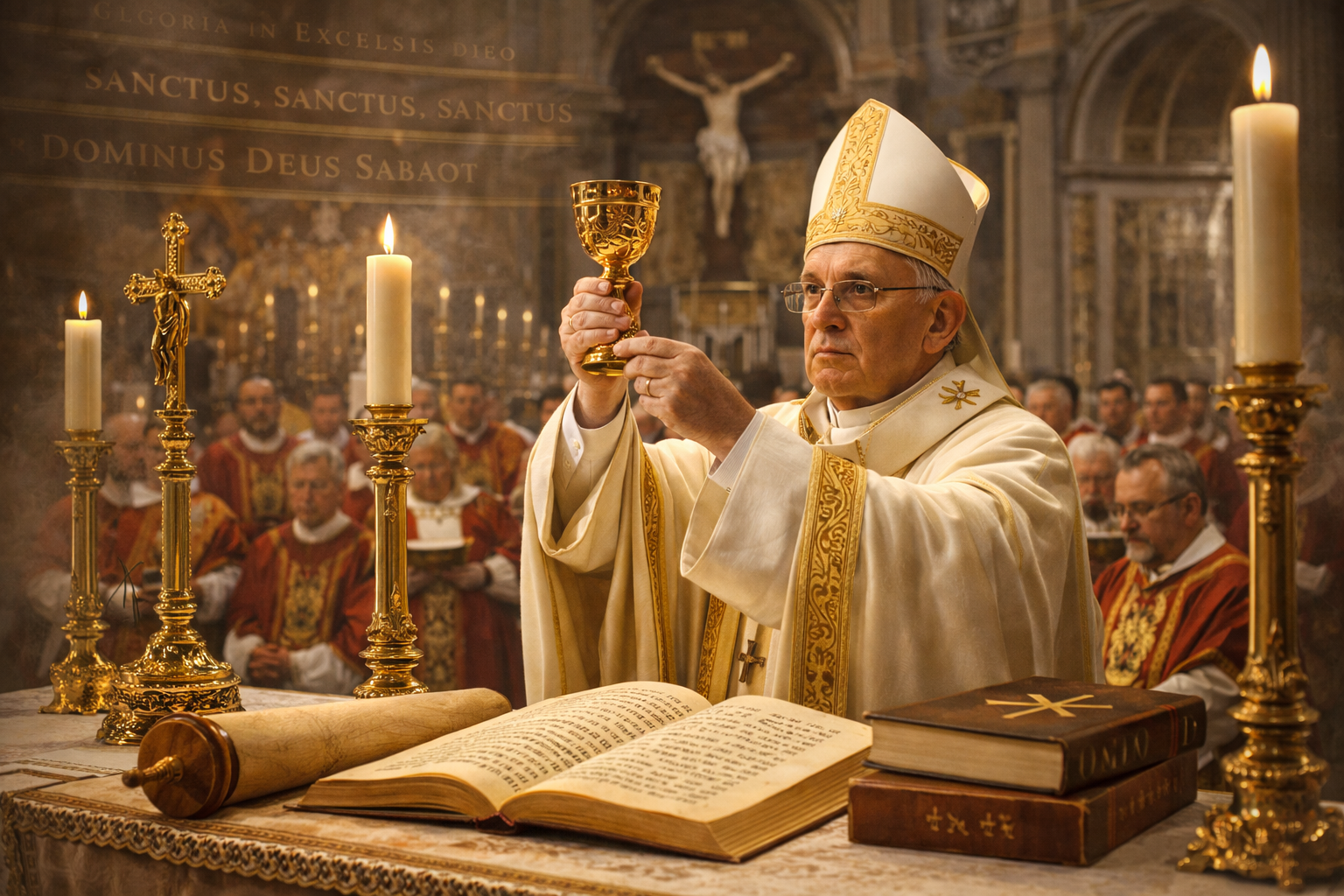
Table of Contents
-
- 2.Spanish: The Language of His Roots
- 3.Italian: The Language of the Vatican
- 4.Latin: The Sacred Language of the Church
- 5.French: The Diplomatic Language
- 6.English: The Language of Global Outreach
- 7.German: The Language of Theology
- 8.Conclusion
Summary
Pope Francis is not only known for his spiritual leadership but also for his impressive linguistic abilities. Fluent in six languages, his multilingualism helps him communicate with Catholics around the world, enhancing his global reach and diplomatic efforts. In this blog, we’ll explore the six languages Pope Francis speaks and how they play a crucial role in his role as a religious and global figure.
1. Spanish: The Language of His Roots
As the first pope from Latin America, Spanish is Pope Francis's mother tongue. Raised in Argentina, his fluency in Spanish has been a vital part of his leadership, allowing him to connect deeply with the large Catholic population in Latin America.
Key Insight: Pope Francis uses Spanish to reach out to his home continent, addressing the challenges and concerns of millions of Spanish-speaking Catholics. This connection is essential in fostering strong relationships with the Church’s largest global community.
- Cultural Significance: Spanish is the language of the majority of Catholics in Latin America and is central to Pope Francis’s identity.
- Papal Communications: His speeches, prayers, and messages are often delivered in Spanish, making him directly accessible to a vast audience.
- Religious Importance: Spanish helps Pope Francis communicate the Church’s message on a deeply personal level in Spanish-speaking regions.
2. Italian: The Language of the Vatican
Italian is the official language of Vatican City, and Pope Francis speaks it fluently. As the language of the Vatican’s day-to-day operations, Italian is used in many of the pope’s administrative duties, official addresses, and documents.
Key Insight: While Spanish connects Pope Francis with the global Church, Italian is essential for his administrative functions within the Vatican. Italian remains the primary language for communications in the Vatican’s core institutions.
- Official Language:Italian is used in official documents, papal speeches, and meetings within the Vatican.
- Papal Interactions:Pope Francis uses Italian to speak with Vatican officials, staff, and visitors during public events and services.
- Diplomatic Role:As the official language of Vatican City, Italian helps maintain the Church’s influence in Europe and around the world.
3.Latin: The Sacred Language of the Church
Latin, although not commonly spoken in daily life, remains the official language of the Catholic Church, particularly in liturgical settings. Pope Francis, like many of his predecessors, is fluent in Latin, which is used in many official documents and religious ceremonies.
Key Insight: Latin is essential for maintaining the continuity of the Church’s traditions, especially in liturgical rites and theological studies. Pope Francis uses Latin to communicate in religious services and preserve Catholic tradition.
- Liturgical Importance:Latin is used in the celebration of Mass, prayers, and religious hymns within the Vatican and Catholic institutions worldwide.
- Theological Discussions: Pope Francis uses Latin in theological discussions and writings, continuing a tradition that connects the Church to its early foundations.
- Global Reach: Although not spoken in daily life, Latin’s use in religious rites unites Catholics across linguistic boundaries.
4. French: The Diplomatic Language
French is often referred to as the international language of diplomacy, and it holds a special place in the Vatican's international relations. Pope Francis speaks French fluently, and it is commonly used in his interactions with French-speaking leaders and Catholic communities.
Key Insight: Pope Francis uses French to engage with diplomats and international organizations, helping to strengthen the Vatican’s global diplomatic ties. French also allows him to address significant cultural and political issues in Francophone countries.
- Diplomatic Outreach: French plays a vital role in Vatican diplomacy, especially when engaging with French-speaking nations and international institutions.
- Cultural Connection:French-speaking Catholics around the world benefit from Pope Francis’s ability to address them in their native language.
- Religious Significance:French also plays an important role in theological scholarship and in communication with French-speaking clergy.
5. English: The Language of Global Outreach
As the global lingua franca, English is increasingly important for Pope Francis, particularly when addressing international audiences. With a large number of English-speaking Catholics around the world, his ability to speak in English is a key part of his outreach efforts.
Key Insight: Pope Francis’s use of English allows him to engage with the modern world, particularly with younger audiences and secular groups. His messages in English extend the Vatican’s reach far beyond traditional Catholic circles.
- International Appeal:English is used in the Vatican’s communications with global media, officials, and Catholic communities across the world.
- Public Engagement:Pope Francis’s speeches in English allow him to communicate directly with the youth and global leaders, fostering a sense of inclusivity.
- Papal Outreach:By speaking English, Pope Francis ensures that his message is heard and understood in countries with significant Catholic populations, such as the United States and Canada.
6.German: The Language of Theology
Pope Francis’s knowledge of German is a testament to the importance of this language in Catholic theological studies and his engagement with German-speaking theologians. His fluency in German enhances his relationship with the intellectual Catholic community, particularly in Germany and Austria.
Key Insight: German is a critical language for engaging with Catholic scholars, theologians, and clergy in the German-speaking world. Pope Francis’s fluency in German helps him communicate effectively within this intellectual tradition.
- Theological Significance: German is the language of many important Catholic theological texts and academic institutions.
- Scholarly Engagement: Pope Francis’s ability to speak German allows him to engage with scholars and theologians from German-speaking countries in meaningful theological discussions.
- Cultural Connections: German is also vital in understanding the Catholic Church’s history and intellectual heritage in central Europe.
Conclusion
Pope Francis’s multilingualism is more than just a skill; it is a vital tool for his role as the leader of a global Church. From his native Spanish to his diplomatic French and intellectual German, each language helps him connect with different cultures, religious communities, and leaders worldwide. His ability to speak in these six languages enhances his effectiveness in diplomacy, education, and the global outreach of the Catholic Church.
Key takeaways
-
-
- Pope Francis speaks six languages, including Spanish, Italian, Latin, French, English, and German.
- His multilingualism enhances his diplomatic outreach and ability to engage with global audiences.
- Each language plays a unique role in connecting Pope Francis with different communities, from Latin American Catholics to European scholars
- Speaking multiple languages allows Pope Francis to uphold the Vatican's global presence and religious authority.
-