

























Most Multilingual Popes in History

Table of Contents
-
- 1. Introduction
- 2.Pope John Paul II: The Polyglot Pope
- 3.Pope Benedict XVI: The Scholar of Many Languages
- 4.Pope Francis: The Vatican’s Diplomat
- 5. Pope Pius XII: A Master of Modern Languages
- 6.Conclusion
Summary
Language has always been an essential tool for diplomacy, communication, and education within the Vatican. Many Popes throughout history have displayed exceptional linguistic skills that helped them connect with people across the world. From Pope John Paul II, who could speak multiple languages, to Pope Benedict XVI, a renowned scholar, their multilingualism significantly influenced the Catholic Church's global presence. In this blog, we explore the ten most multilingual Popes in history and how their language abilities enhanced their roles as leaders of the Church.
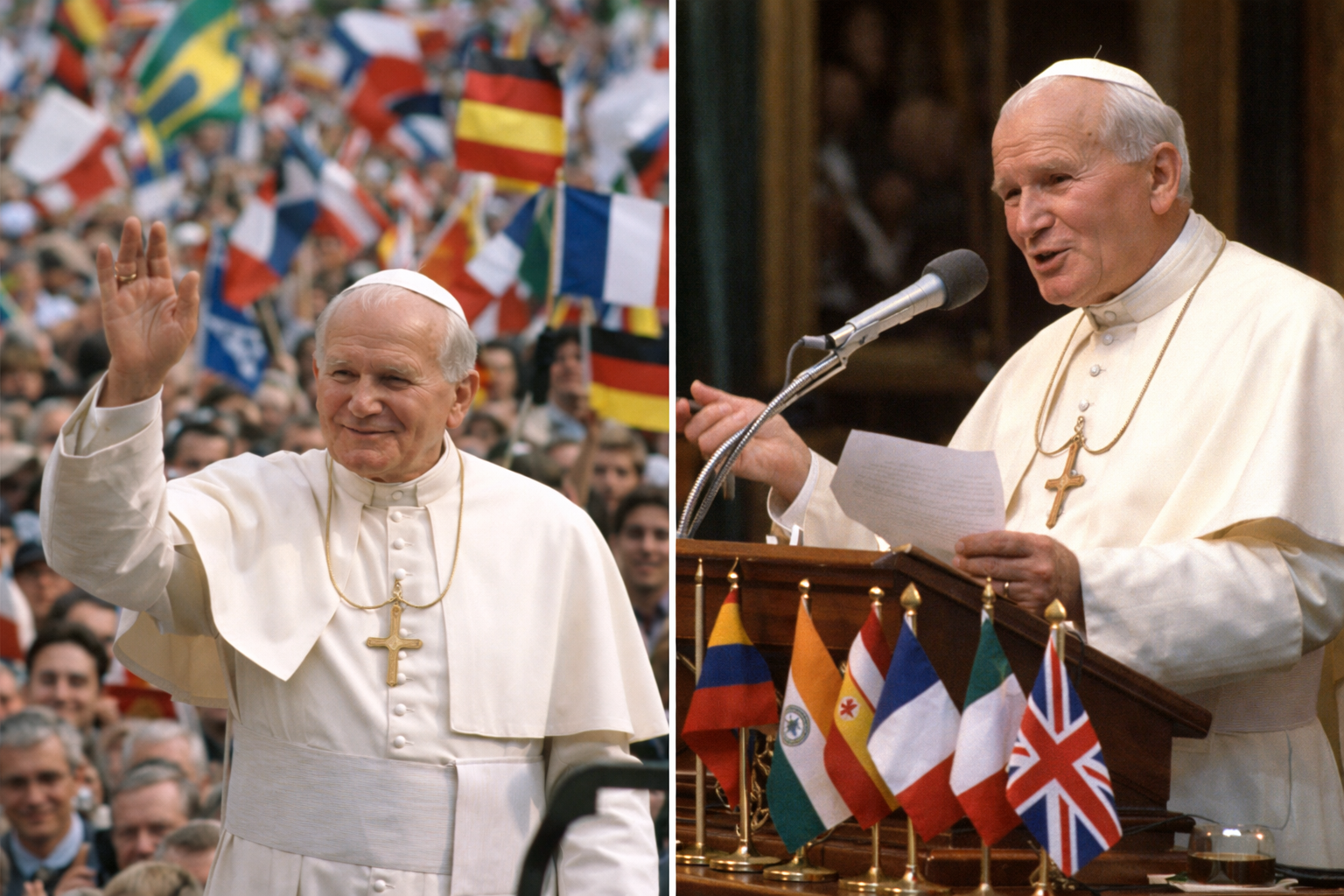
1. Pope John Paul II: The Polyglot Pope
Pope John Paul II remains one of the most iconic multilingual Popes in history. Known for his fluency in over twelve languages, including Polish, Italian, French, Spanish, German, English, Portuguese, and even some Arabic, his linguistic abilities allowed him to connect with Catholics worldwide.
Key Insight: Pope John Paul II's extensive language skills were crucial for his role as a global ambassador for the Catholic Church, enabling him to reach out to millions and engage in diplomacy with leaders across different nations.
- Languages Spoken:Fluent in Polish, Italian, French, German, English, Spanish, and several other languages.
- Diplomatic Impact:He utilized his language skills to reach out to global audiences, fostering peace and interfaith dialogue.
- Legacy:His ability to speak directly with people in their native languages made him one of the most beloved Popes in modern history.
2. Pope Benedict XVI: The Scholar of Many Languages
Pope Benedict XVI was not only known for his deep theological insights but also for his remarkable linguistic abilities. A scholar of ancient languages, he was fluent in Latin, German, Italian, French, English, and Spanish, among others. His academic background made him particularly effective in addressing intellectual communities.
Key Insight: As a theologian and scholar, Pope Benedict XVI’s mastery of languages, particularly Latin, allowed him to engage with historical Catholic texts and provide a deep connection to the Church's intellectual traditions.
- Languages Spoken:Fluent in German, Italian, French, English, Latin, and Spanish.
- Scholarly Impact:His knowledge of ancient languages allowed him to publish works in various languages, contributing to Catholic theology and philosophy.
- Legacy:His multilingualism helped him bridge gaps between the intellectual and spiritual dimensions of the Church.
3. Pope Francis: The Vatican’s Diplomat
Pope Francis, the current Pope, is known for his approachable and inclusive style, often speaking in multiple languages during his public addresses. Fluent in Spanish, Italian, and Latin, Pope Francis uses his language skills to connect with a diverse global audience.
Key Insight: Pope Francis's multilingualism aids his diplomatic efforts and efforts to bring inclusivity to the Catholic Church, particularly in Latin America and Europe.
- Languages Spoken: Fluent in Spanish, Italian, Latin, and some English and French.
- Diplomatic Focus: He uses his linguistic skills to engage with people worldwide and promote peace.
- Legacy: As the first Pope from Latin America, his Spanish-language fluency has strengthened the Church’s connection to the Hispanic world.
4. Pope Pius XII: A Master of Modern Languages
Pope Pius XII, who served as Pope from 1939 to 1958, was a linguist and historian. He spoke Italian, Latin, French, and German fluently, and was also well-versed in the ecclesiastical languages, enabling him to navigate complex diplomatic landscapes during and after World War II.
Key Insight: His fluency in several languages allowed him to be a key player in international diplomacy during critical moments in history, especially during WWII.
- Languages Spoken: Fluent in Italian, Latin, German, and French.
- Diplomatic Role: Pius XII’s language abilities were key in Vatican diplomacy during the Second World War.
- Legacy:His linguistic skills helped maintain the Vatican’s neutral stance during a turbulent time in history.
Conclusion
The ability to speak multiple languages has been a defining characteristic of many Popes throughout history. Whether used for diplomacy, intellectual pursuits, or spreading the faith, multilingualism has allowed the Papacy to engage with diverse cultures and continue its global mission. These linguistic abilities have helped shape the Vatican’s role in world affairs, from the ancient world to the modern era.
Key takeaways
- Multilingual Popes have had a profound impact on global diplomacy, education, and religious outreach.
- Pope John Paul II’s language skills were key to his success as a global ambassador for Catholicism.
- Language proficiency in Latin remains essential for Church liturgies and theological teachings.
- Multilingualism allows the Vatican to bridge cultural divides and foster interfaith dialogue.