



























What Language is Spoken in Vatican City?
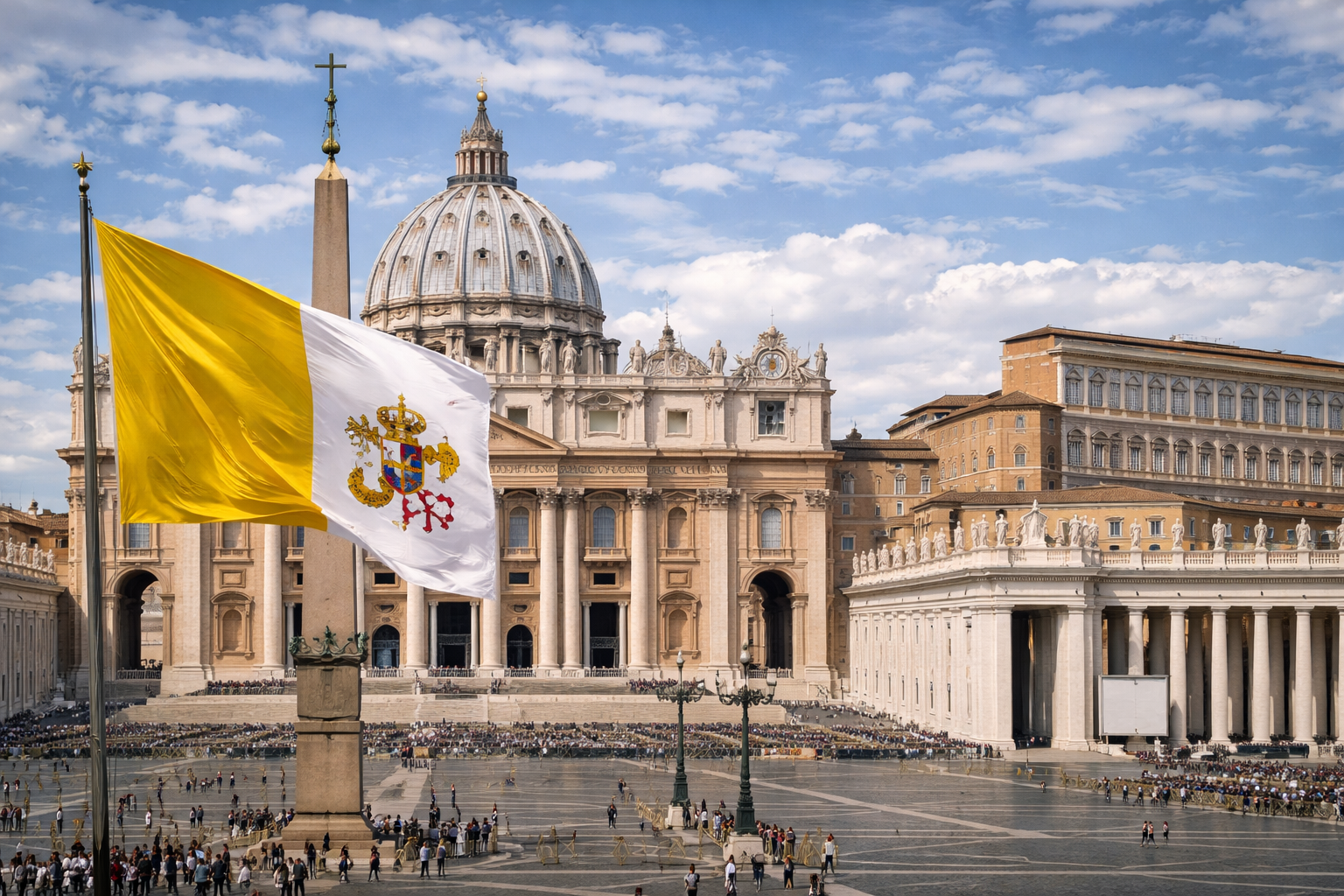
Table of Contents
-
- 2.Official Languages of Vatican City
- 3.Latin: The Sacred Language of the Church
- 4.Italian: The Primary Language of Vatican City
- 5.Other Languages Spoken in the Vatican
- 7.Conclusion
- FAQs
Summary
Vatican City is not only the spiritual heart of Catholicism but also a multilingual enclave. While most people associate the Vatican with Latin, there are several languages spoken within its borders. Whether you're a business owner, legal professional, or healthcare provider, understanding the linguistic landscape of Vatican City can impact your communication and operations. In this blog, we’ll explore the languages spoken in Vatican City, focusing on how this multilingual environment can affect everything from legal processes to diplomatic relations.
1. Official Languages of Vatican City
Vatican City recognizes multiple languages for various official functions, reflecting its global and diplomatic reach. The two primary languages are Italian and Latin, but other languages are used for specific purposes, especially in the context of diplomacy, religion, and culture.
Key Insight: If you’re working with documents, services, or legal matters in the Vatican, knowing these languages is essential for smooth communication and ensuring compliance with local regulations.
- Italian is the most widely spoken language.
- Latin holds a special place for religious ceremonies and historical documents.
- Other languages are used for diplomatic affairs, international communication, and specific community services.
2. Latin: The Sacred Language of the Church
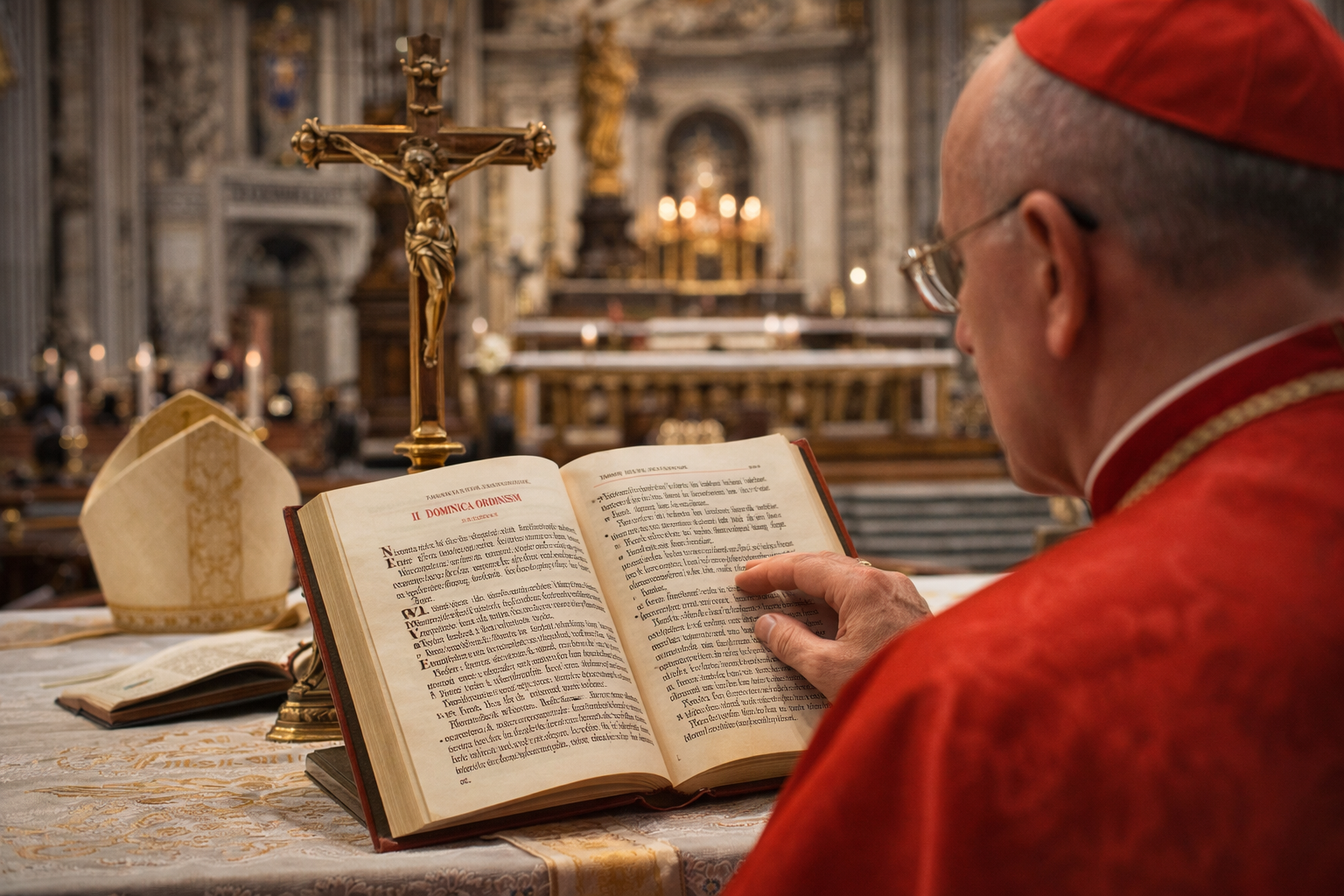
Latin is perhaps the most well-known language associated with the Vatican. Although not spoken in daily life, it remains an official language of the Holy See and is used in official documents, liturgies, and ceremonial functions. For centuries, Latin was the lingua franca of the Catholic Church, and it still plays a vital role in its religious and cultural practices.
Key Insight: While Latin is not commonly spoken in casual conversations, it remains essential in the Vatican for the official recording of documents, prayers, and theological texts.
- Liturgical Significance: Latin is used for Mass and other sacred services.
- Theological Use: Most of the Catholic Church's foundational texts and official Church documents are written in Latin.
- Symbolic Value:Latin connects modern-day Catholics with the Church's ancient roots and traditions.
3. Italian: The Primary Language of Vatican City
- Italian is the most commonly spoken language in Vatican City, and it serves as the working language of the Holy See's daily operations. Since the Vatican is geographically located in Italy, it is only natural that Italian is the primary language of communication for both administrative and public purposes.
Key Insight:Italian is crucial for anyone working or interacting with the Vatican’s institutions, as it governs day-to-day communications, legal matters, and administrative procedures.
- Public Communication: The Pope and Vatican officials often deliver speeches in Italian, especially during public audiences or ceremonies.
- Cultural and Diplomatic Role: Italian is the primary language for diplomatic exchanges between the Vatican and other nations.
4. Other Languages Spoken in the Vatican
While Latin and Italian dominate, there are other languages used in Vatican City, especially for diplomatic and interfaith relations. These include French, Spanish, English, German, and Arabic—each playing a key role in the Vatican’s international operations.
Key Insight: For businesses or legal professionals dealing with Vatican representatives, understanding these additional languages can help navigate international relations and ensure smoother communication.
- French: Historically, French has been the language of diplomacy and is often used in Vatican communications with the international community.
- Spanish: With a large population of Spanish-speaking Catholics worldwide, Spanish is frequently used for communication, especially during visits to Latin America.
- English: Used for global outreach, English helps the Vatican connect with international audiences and media.
- German: Spoken by many officials in the Vatican, particularly those with ties to Germany, Austria, and Switzerland.
- Arabic: Plays a role in the Vatican’s interfaith dialogue, particularly with the Muslim world.
5. Conclusion
Vatican City is a unique melting pot of languages, with Latin and Italian at the forefront. However, the use of other languages like French, Spanish, and English underscores the Vatican’s global influence and its role in diplomatic relations. For businesses, legal professionals, and anyone engaging with the Vatican, understanding its multilingual environment is crucial for effective communication and ensuring that legal and cultural nuances are respected. Whether you need certified Spanish translation services for official documents or are working with international clients in the Vatican, knowing the language landscape can make a significant difference in your success.
Key takeaways
-
-
- Vatican City recognizes Italian and Latin as official languages, with Italian being the primary spoken language.
- Latin remains essential for religious functions and official documents.
- Other languages like French, Spanish, English, German, and Arabic are used for diplomatic and cultural outreach.
- Understanding the language landscape in Vatican City can improve business communication and legal compliance.
-