



























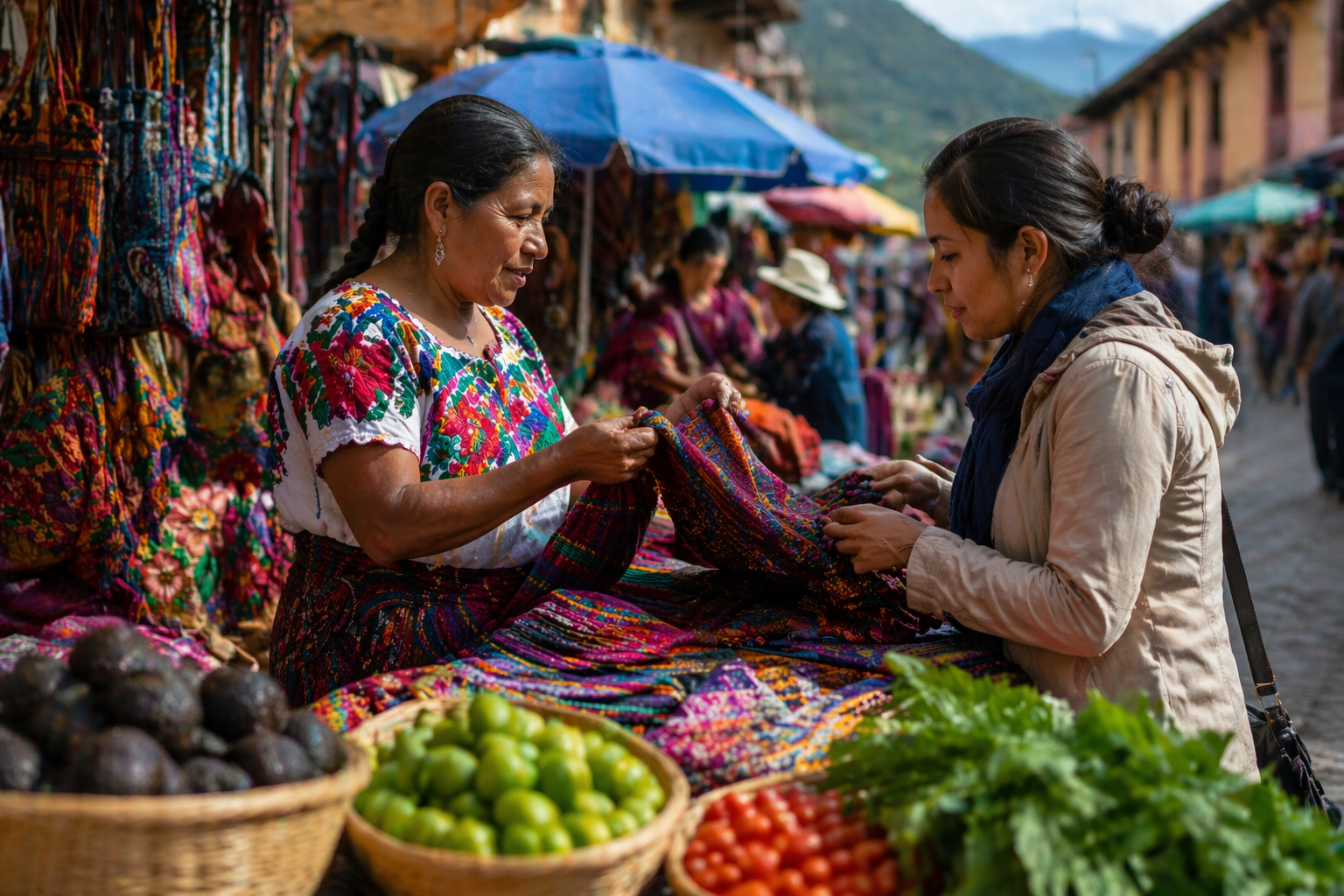
What Language Do Mexicans Speak? Understanding Mexico’s Linguistic Diversity

Table of Contents
-
- 1. Introduction: The Complexity of Mexico's Linguistic Landscape
- 2. Spanish: The Official Language of Mexico
- 3. Indigenous Languages: The Hidden Linguistic Diversity
- 4. The Status of Indigenous Languages in Mexico
- 5. Real-World Scenario: The Role of Language in Business and Legal Affairs
- 6. Conclusion: Understanding Mexico’s Language Diversity for Success
- 7. Key Takeaways
- 8. FAQs
Summary
The name Mexico often brings the Spanish language to mind; however, Mexico has a great deal more to offer. The country boasts more than 60 indigenous languages on top of its official language, Spanish. In order to work and engage successfully in Mexico, it is imperative to be aware of the languages spoken throughout the country. The following article discusses the languages spoken in Mexico and why they are important.
1.Introduction: The Complexity of Mexico's Linguistic Landscape
You probably know that Mexico is a Spanish-speaking country. But did you know that it's not the only language spoken there? Over 60 indigenous languages are spoken in Mexico and they remain an integral part of millions of Mexicans' everyday lives. Whether you're a business owner or a legal expert, if you work with Mexicans, it is important to know which languages are spoken in the country. Here is a brief overview of the languages spoken in Mexico.
The Official Language: Spanish Spanish is Mexico's official language and is spoken by the overwhelming majority of the population. It is the language used in government, education, media, and business. But just because it's the state language, that doesn't mean it hasn't been influenced by other languages indigenous to Mexico. In fact, the Spanish spoken in Mexico has been impacted significantly by native languages such as Nahuatl, Maya and Mixtec. As a result, many indigenous words and phrases have been incorporated into Mexican Spanish, especially in regional dialects. But even though Spanish is the dominant language in Mexico, it's hardly the only one.
2. Spanish: The Official Language of Mexico
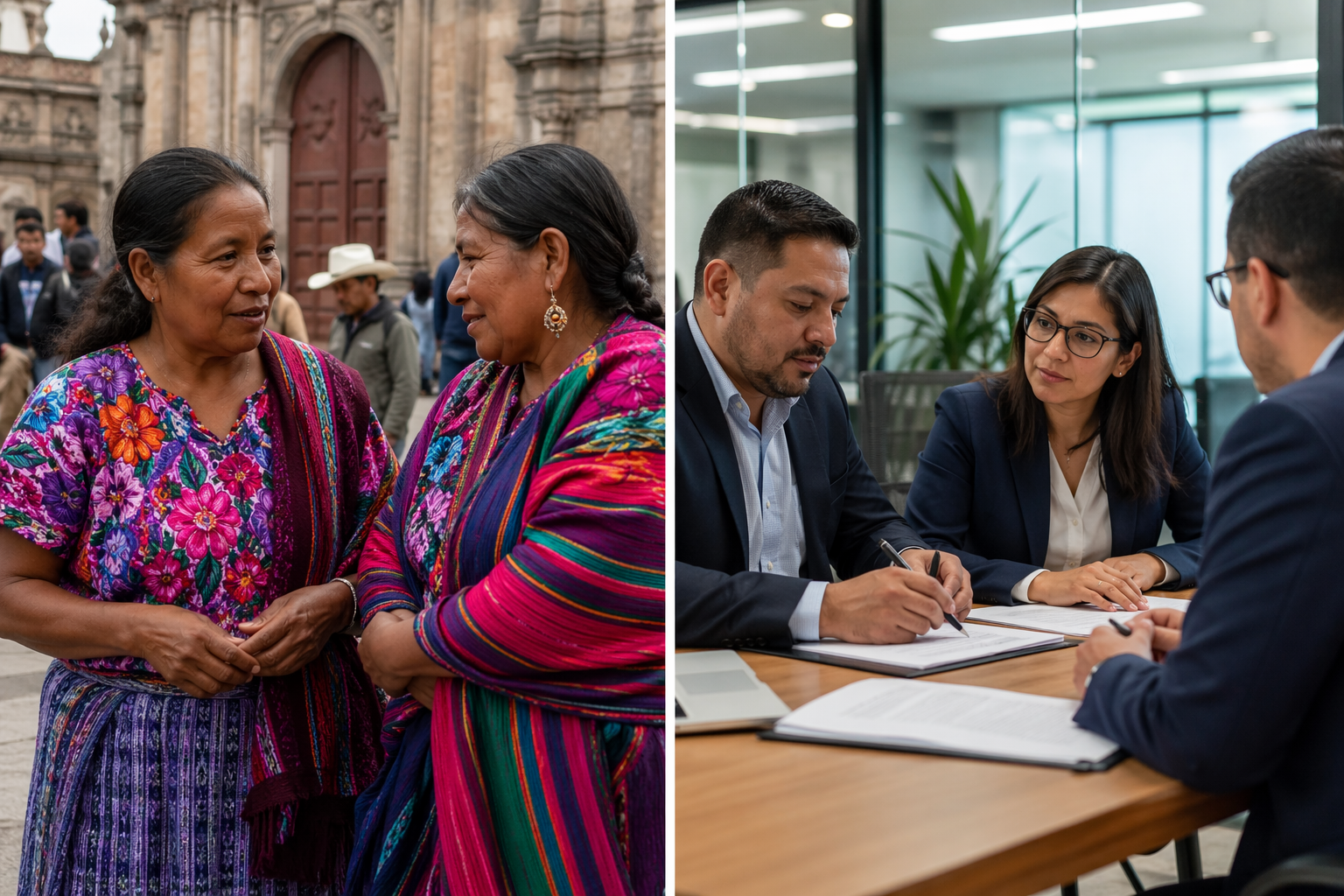
Despite the many languages spoken in Mexico, Spanish is a common language spoken by nearly everyone. If you were to travel to different parts of the country, Spanish would likely be the only language you would understand, as many Mexicans speak Spanish fluently. But for those that want to connect with Mexicans in their native tongue, it's essential to have a grasp of the many indigenous languages spoken in the country.
Indigenous Languages of Mexico Indigenous languages have been spoken in Mexico for thousands of years and they remain an integral part of everyday life for millions of Mexicans. There are currently 68 national languages spoken in Mexico. Of those 68, 63 are indigenous languages. But just which indigenous languages are spoken in Mexico? Here are some of the most common: Nahuatl, Maya, Mixtec, and Zapotec are some of the most widely spoken indigenous languages in Mexico. Many of these languages are still spoken in rural areas where they remain an essential part of daily life. Some of these languages are also spoken in different regions. For example, Nahuatl is spoken primarily in central Mexico while Maya is spoken mostly in the Yucatán Peninsula. Unfortunately, many indigenous languages are in danger of disappearing. In an effort to preserve these languages, the Mexican government has implemented education and cultural programs throughout the country.
3. Indigenous Languages: The Hidden Linguistic Diversity
The government offers scholarships to students to study their native language and it has implemented several other initiatives to help preserve the country's indigenous languages. The importance of indigenous languages in Mexico cannot be overstated. These languages are not just an important part of Mexico's history; they also remain an important part of everyday life for millions of Mexicans. Whether you're a business owner or a legal expert, if you plan to work with indigenous Mexicans, it is essential that you understand the different languages they speak. An awareness of the languages spoken in Mexico will also help you navigate the country and communicate with its people. Spanish may be Mexico's official language, but that doesn't mean you won't encounter other languages. In fact, indigenous languages are spoken by millions of Mexicans. But whether you speak a little Spanish or a lot, it's likely that you'll be able to communicate with the people you encounter. But, indigenous languages are not relics of the past, they are living languages that are still spoken today by millions of people.
4.The Status of Indigenous Languages in Mexico
Official status: Indigenous languages are recognized by the Mexican Constitution as having the same official status as Spanish. This is important because it means that indigenous peoples have the right to access services and claim their rights in their native language.
Limitations facing speakers: Indigenous language speakers face a variety of challenges including in the areas of education, health and law. This is because many indigenous peoples live in remote areas where it can be hard to access educational and government services.
Cultural renewal: In recent decades, there has been a renewal of indigenous culture in Mexico. This has resulted in a variety of programs in schools, NGOs and government aimed at revitalizing indigenous languages. More and more young people are taking pride in their heritage and claiming their indigenous roots.
For companies and individuals doing business in Mexico, it is helpful to understand both the legal and cultural status of indigenous languages as you communicate.
5. Real-World Scenario: The Role of Language in Business and Legal Affairs
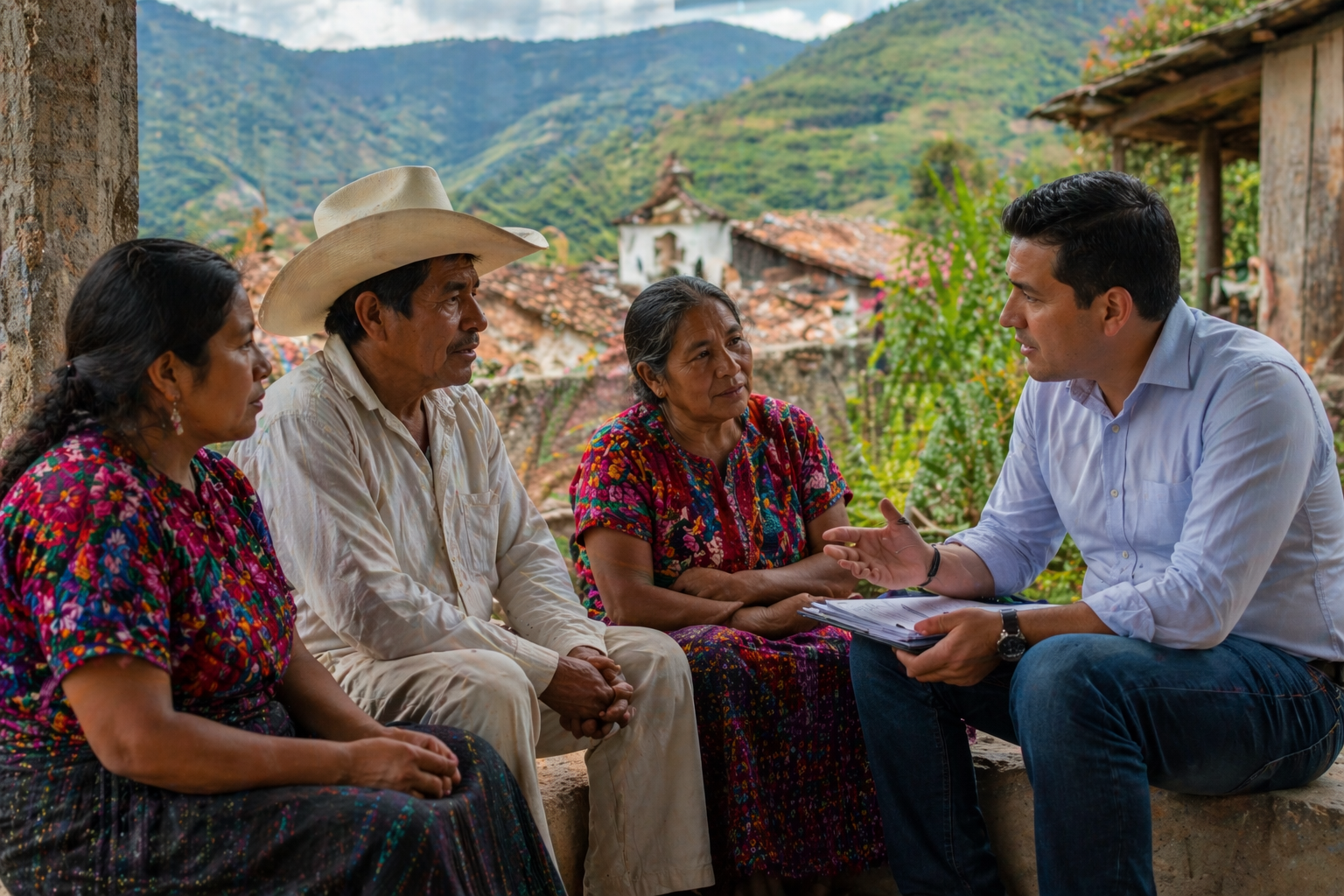
How Language Impacts Business and the Law Let’s take an example of what might happen if a company tried to negotiate a contract with a community in southern Mexico where most locals spoke an indigenous language, such as Zapotec or Mixtec. If the company did not understand or respect the local language and culture, they may miscommunicate, offend community members or even fail to successfully negotiate a contract. On the other hand, a company that takes the time to understand the local language (or works with a translator who is familiar with indigenous languages in the area) will be much more likely to successfully build trust and rapport with the community. This is where professional translation agencies like The Spanish Group can really help. Our translators are fluent in over 90 languages, including many indigenous languages spoken in Mexico. Whether you need to translate a business contract, a legal document or a piece of marketing material, we can help you get it right.
In conclusion, Mexico is a country with a very diverse linguistic profile. Though Spanish is the official language of the country, there are over 60 indigenous languages spoken there, each with its own vibrant culture and community. Understanding this linguistic diversity is important for anyone interested in communicating effectively in Mexico, whether for business, legal or social purposes.
Here are a few key points to remember:
-
- Mexico has over 60 indigenous languages (in addition to Spanish).
- While Spanish is the official language, indigenous languages have legal status.
- There are millions of speakers of indigenous languages like Nahuatl and Maya.
- Understanding these languages is crucial to understanding Mexican culture.
- Working with a professional translation agency is essential if you hope to communicate effectively, especially with indigenous communities.