



























What Language Do Mexicans Speak Apart from Spanish?

Table of Contents
-
- 1.Introduction: The Surprising Linguistic Diversity of Mexico
- 2. The Dominance of Spanish in Mexico
- 3. Indigenous Languages: More Than 60 Spoken Across the Country
- 4. The Influence of Indigenous Languages on Mexican Spanish
- 5. Real-World Scenario: Lost in Translation—The Importance of Language Sensitivity
- 6. Conclusion: Why Understanding Language Diversity in Mexico Matter
- 6. Key Takeaways
- 7. FAQs
Summary
What language do Mexicans speak? If you said, “Spanish,” you’re not alone, but you’re also not entirely correct. While Spanish is the most popular language in Mexico, the country also counts over 60 indigenous languages as part of its linguistic makeup. In this blog, we’ll dive into the languages spoken in Mexico other than Spanish and why it matters to your business.
1. Introduction: What Language Do Mexicans Speak?
So, what language do Mexicans speak apart from Spanish? The answer might surprise you. Although Spanish is the official language, Mexico’s cultural diversity also encompasses 68 national languages, 63 of which are indigenous. This staggering number has contributed to Mexico’s identity and its essential role in the country. Learning about the languages spoken in Mexico other than Spanish is vital for business owners, lawyers, and anyone working in Mexico. Let’s look closer at the languages spoken in Mexico other than Spanish.
2. What Language Do Mexicans Speak: Spanish
Spanish, also known as Castilian, is the main language spoken in Mexico. Practically all Mexicans speak Spanish, and it is the primary language for the government, education, and mass communication. However, Mexican Spanish is different from the Spanish spoken in Spain due to its history of indigenous influence, migration, and globalization.
Spanish Dialects in Mexico: Although all Mexicans speak Spanish, there are countless dialects and variations of Spanish throughout the country influenced by indigenous languages.
Spanish in Mexico: Spanish is used for formal communication, business, and everyday conversation, although in some parts of the country, particularly rural areas, it co-exists with indigenous languages.
3. Indigenous Languages in Mexico
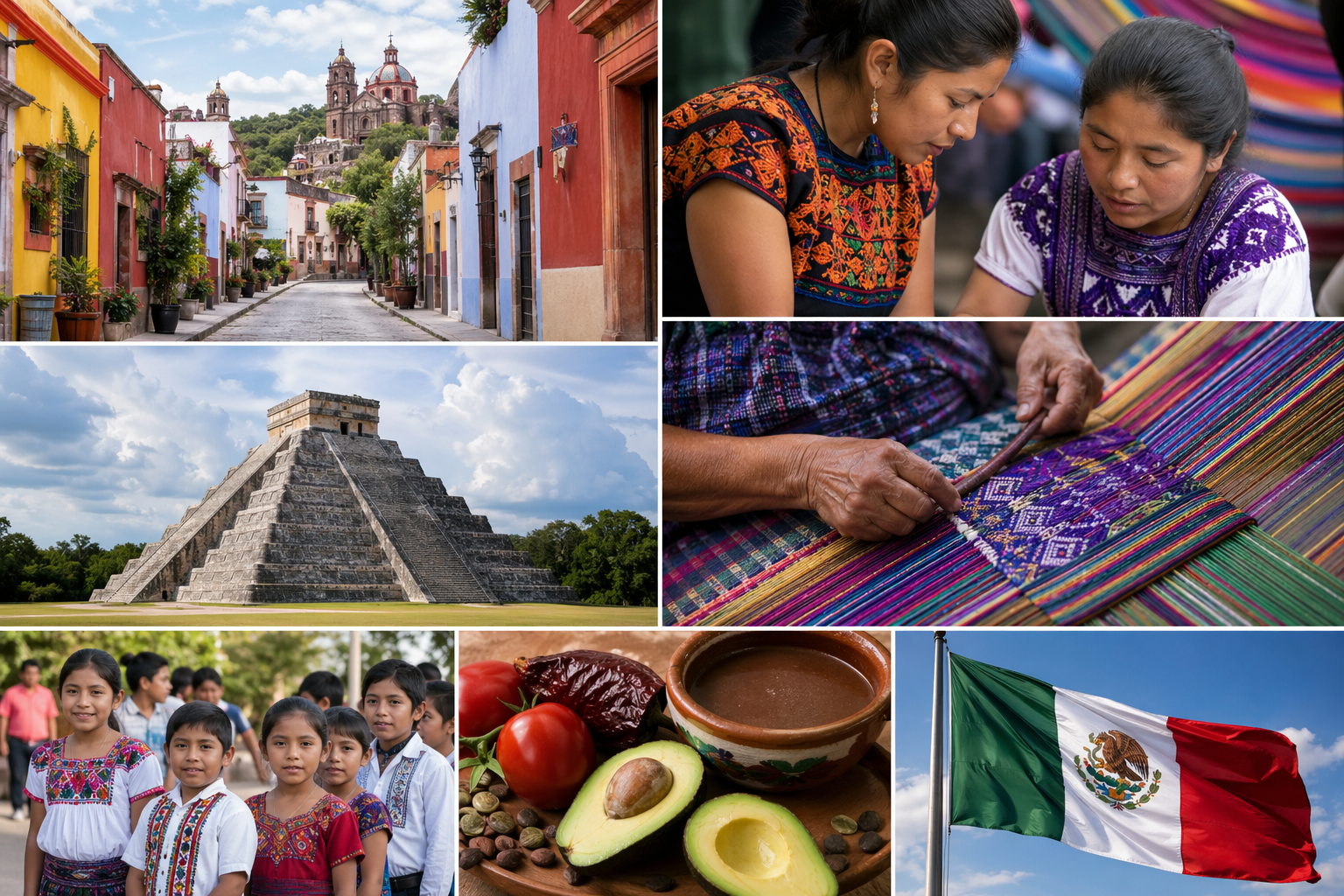
Apart from Spanish, Mexico is home to over 60 indigenous languages. These languages are spoken mainly in specific geographic regions and by specific indigenous groups, but they play a significant part in the cultural heritage of Mexico.
Indigenous Languages Spoken in Mexico: Nahuatl, Maya, Mixtec, Zapotec, and Otomi are a few of the most common indigenous languages spoken in Mexico.
Indigenous Language Speaking Population: Approximately 7 million Mexicans speak an indigenous language, with Nahuatl speakers being the largest group.
Indigenous Language Rights in Mexico: The constitution of Mexico recognizes the country as a multilingual nation, and Spanish and indigenous languages have the same rights. It’s important for lawyers to be familiar with these languages if they have clients who are indigenous or are dealing with the government and laws related to them.
4. How Indigenous Languages Have Affected Mexican Spanish
Mexican Spanish is different than the Spanish spoken in Spain. Indigenous languages have influenced Mexican Spanish with a significant number of words, phrases and even grammar. You can see this in the following ways:
Vocabulary: Many words used in everyday conversation, especially when it comes to food, nature and customs, are taken from indigenous languages. For example, words like “chocolate,” “tomato,” and “avocado” come from the Nahuatl language.
Pronunciation and phrases: Some phrases used in Mexican Spanish, especially in rural and indigenous regions, have been influenced by indigenous languages when it comes to pronunciation and phrases. This means that it is important to understand these differences when translating or interpreting. A failure to pick up on certain phrases could result in confusion in business, legal or medical situations.
Example: Lost in Translation, The Need for Cultural Sensitivity
Say, for instance, that a company wants to release a new product in a rural area of Mexico where they primarily speak an indigenous language. If the company does not understand the indigenous language or the nuances of Mexican Spanish, the marketing campaign will not succeed and the product will not be understood. This is why it’s so important to work with a professional translation service. When you are translating documents, marketing materials or legal documents for a diverse country like Mexico, it’s important to work with a company that not only understands Spanish but also the various indigenous languages and dialects that are spoken throughout the country. At The Spanish Group, our team of certified translators is able to work in over 90 languages including the various indigenous languages spoken in Mexico. We can help ensure that your message is conveyed properly and is culturally relevant.
Conclusion: The Need to Understand Mexico’s Language Diversity
It’s important to understand the various languages that are spoken in Mexico, not just Spanish, if you are a business, lawyer or medical provider who is working in the country. Understanding the various cultural and language differences will help you to communicate better, market more effectively and understand various laws. Whether you are expanding into Mexico or working with Mexican clients, understanding the need for language sensitivity could make or break your project.
Key takeaways
-
-
- Spanish is the most common language spoken in Mexico, but indigenous languages are still a major part of the country’s culture.
- Over 60 indigenous languages are spoken in Mexico, with Nahuatl and Maya being the two most common.
- Understanding the various ways that indigenous languages have affected Mexican Spanish is important for communicating effectively.
- Working with a professional translation service will ensure that you are able to communicate effectively and sensitively in both Spanish and indigenous languages.
-