



























What Happens if Immigration Document Translations Are Rejected?
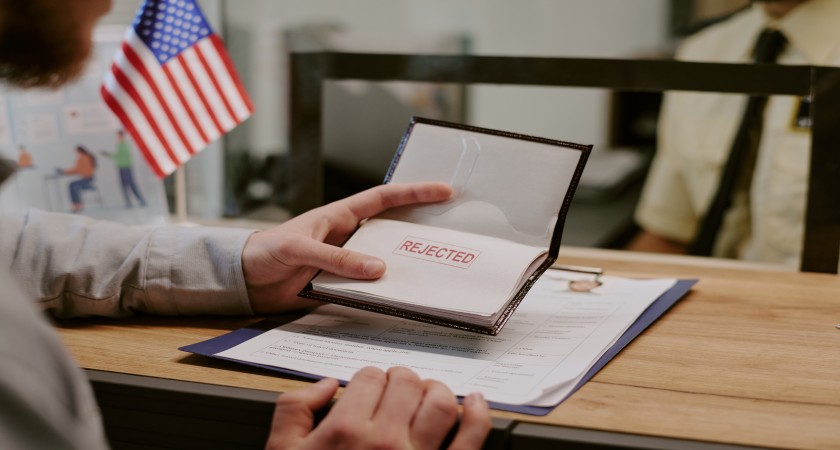
Table of Contents
Summary
When you’re applying for immigration or a visa, submitting the right documents is critical. But what happens if your immigration document translations are rejected? It can delay your process, or worse, cause your application to be denied. This blog breaks down why accurate translations matter, the consequences of a rejection, and how professional translation services can help ensure your documents are accepted without a hitch.
1.Why Immigration Document Translations Are Crucial
Immigration document translations play a key role in ensuring your application is processed smoothly. These documents are essential for proving your eligibility for visas, permanent residency, or citizenship. Whether it's your birth certificate, marriage license, or academic records, having them accurately translated is paramount.
Governments and immigration authorities require official translations to understand the details of your documents. An incomplete or incorrect translation can result in delays, requests for additional documents, or even rejection of your application.

2.What Happens if Your Immigration Document Translations Are Rejected?
If your immigration document translations are rejected, it can have serious consequences for your application process. Here’s what could happen:
- Delays: A rejected translation means your application is incomplete. You’ll likely have to go back and have your documents retranslated. This could lead to significant delays, especially if you're working with tight deadlines, such as those required for visa interviews or specific immigration windows.
- Additional Costs: You might have to pay for a new translation service, adding unexpected costs to your immigration process.
- Risk of Denial: In some cases, rejected translations can result in the outright denial of your application. Immigration authorities may view the rejected translation as a sign of inconsistency or lack of reliability, making it harder to move forward with your case.
- Resubmission Requirements: If a translation is rejected, you may be required to resubmit all documents along with the correct translations, further prolonging your immigration journey.
Understanding these consequences emphasizes how important it is to get your immigration document translations done right the first time.
3.The Role of Certified Translation Services for Immigration
Certified translation services for immigration are designed to meet the specific needs of government and legal entities. These services ensure that translations are not only accurate but also meet the legal standards required by immigration authorities. A certified translation involves a professional translator who attests to the accuracy and completeness of the translated document, ensuring it matches the original text exactly.
Some key aspects of certified translation services include:
- Legal Recognition: Certified translations are often legally recognized by government bodies, embassies, and consulates.
- Accurate Terminology: Certified translators are familiar with the specific terminology needed for legal and immigration documents.
- Authentication: Many countries require a certified translator's statement verifying the translation’s accuracy.
Working with a professional service ensures that all your documents, from birth certificates to diplomas, are translated to meet the high standards expected by immigration authorities.
4.How to Ensure Your Immigration Documents Are Accepted
To avoid the risk of your immigration document translations being rejected, it’s important to follow some best practices:
- Choose a Trusted Translation Company: Opt for a certified translation service that specializes in immigration documents. Look for companies with experience in your specific immigration needs.
- Ensure Complete and Accurate Translations: A single error, such as mistranslated names or dates, can result in a rejection. Ensure the translator is thorough and that every part of the document is accurately translated.
- Check for Notarization or Authentication Requirements: Some countries or institutions may require notarization or additional verification for your translated documents. Always check the specific requirements of your immigration office.
- Double-Check Formatting: Immigration authorities often require translations to match the original document’s format. Ensure the translation maintains the same structure, including stamps, seals, and signatures.
By working with professionals like The Spanish Group, you ensure that your documents are properly prepared, certified, and ready for submission. This can save you from unnecessary delays and complications in the immigration process.
5.Common Mistakes in Immigration Document Translations
When translating immigration documents, even small mistakes can lead to big issues. Here are some common mistakes to avoid:
- Misinterpreting Legal Terminology: Words like “spouse,” “birth certificate,” or “criminal record” have very specific legal meanings. A wrong translation can lead to misunderstandings that delay or reject your application.
- Omitting Details: Failing to translate every part of a document can result in an incomplete submission. Be sure that all sections, including footnotes, seals, and signatures, are included in the translation.
- Inconsistent Formatting: Immigration authorities expect translations to closely match the format of the original document. Formatting errors or changes can raise questions about the translation's validity.
- Using Non-Certified Translators: Immigration offices and consulates require certified translators. Non-certified translators may not meet the standards necessary for legal acceptance.
Avoiding these mistakes is crucial for ensuring that your immigration documents are accepted without any hiccups.
Conclusion
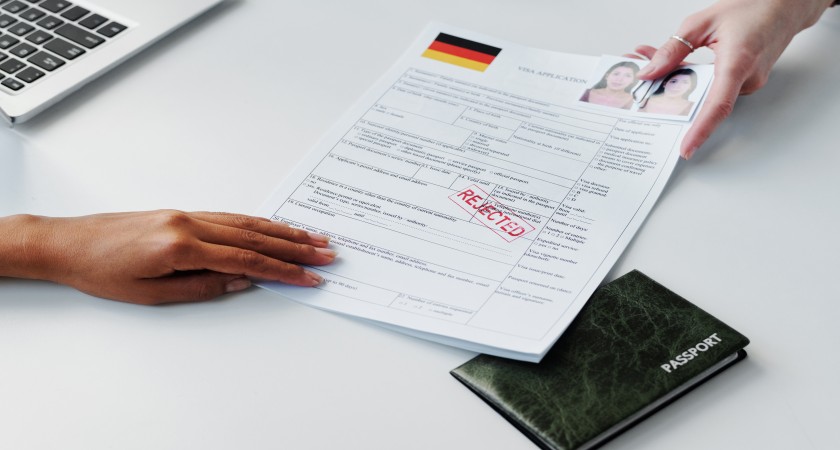
The immigration process is complex, and accurate document translation plays a crucial role in ensuring a smooth experience. A rejected translation can cause delays, additional costs, and even the rejection of your application. To prevent this, it’s essential to use certified translation services for immigration, ensuring your documents are correctly translated and legally compliant. By working with a trusted company like The Spanish Group, you can avoid the risks of rejected translations and keep your immigration journey on track.
FAQs
Question 1: What happens if my immigration document translation is rejected?
Question 2: Do I need a certified translator for my immigration document translation?
Question 3: How can I ensure my immigration documents are accepted?
Question 4: What are some common mistakes in immigration document translations?
Question 5: Why is certification important for immigration document translations?
Key Takeaways
- Certified translations ensure accuracy and legal compliance.
- Avoid mistakes like misinterpreting legal terms or omitting document details.
- Always check specific translation requirements with immigration authorities.