



























The 5 Oldest Languages Still Spoken Today: A Glimpse into the Past
Table of Contents
-
- 1. Introduction
- 2. The Enduring Languages of the World
- 3. Hebrew: The Revival of an Ancient Tongue
- 4. Tamil: A Testament to Tradition
- 5. Greek: A Legacy of the Gods
- 6.Conclusion
Summary
Some languages have defied time, continuing to be spoken in the modern world despite centuries of change. As history unfolds, certain languages have managed to survive wars, migrations, and invasions. This blog dives into the fascinating world of the 10 oldest languages still spoken today and explores the cultural significance behind their survival.
1. The Enduring Languages of the World
The ability of some languages to survive through millennia is a remarkable testament to their cultural importance. While many ancient languages have vanished or been reduced to mere fragments, some continue to thrive in various forms. From the vastly spoken Mandarin Chinese to the revival of Hebrew, these languages have adapted to changing times while maintaining their roots.
Key Insight: Despite the changes in technology, culture, and society, these ancient tongues remain vital for the communities that speak them. The survival of these languages ensures the continued preservation of their associated traditions, religions, and histories.
2. Mandarin Chinese: A Bridge Between Past and Present
Mandarin Chinese, with over a billion speakers today, is often viewed as one of the oldest, most continuous languages. Its origins trace back over 3,000 years, originating from the ancient Sino-Tibetan language family. Over the years, Mandarin has adapted to various Chinese dynasties' influences, but its core remains connected to the past.
Key Insight: Mandarin's survival and growth are a direct result of the political, economic, and cultural importance of China on the global stage. It continues to thrive today due to its modern utility while preserving its ancient writing system.
- Originates from: Ancient Chinese, over 3,000 years old.
- Evolution: Evolved through several dynasties.
- Current Speakers: Over 1 billion people.
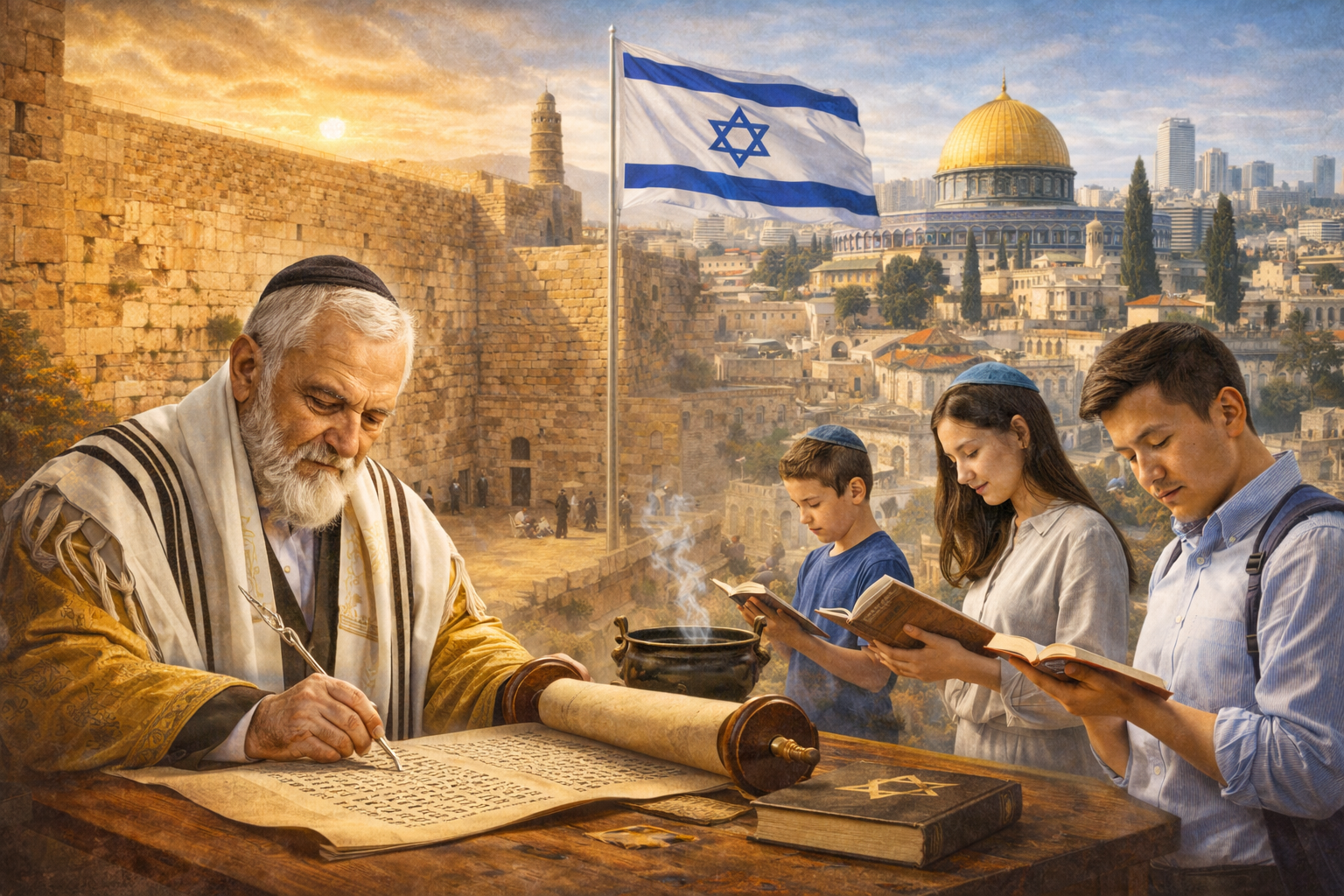
3. Hebrew: The Revival of an Ancient Tongue
Once nearly extinct, Hebrew is a shining example of linguistic revival. From being solely a liturgical language for Jewish communities to becoming the official language of Israel in the 20th century, Hebrew's comeback is nothing short of remarkable.
Key Insight: The revival of Hebrew serves as an important case study in the power of language to unite a people and maintain their identity, particularly when cultural survival is at stake.
- Language family:Afro-Asiatic, Semitic.
- Key revivalists: Eliezer Ben-Yehuda, who helped bring the language back.
- Current Speakers:Over 9 million people in Israel.
4. Tamil: A Testament to Tradition
Tamil, a language spoken by millions in India and Sri Lanka, has one of the longest literary traditions in the world. It's classified as a classical language and is over 2,000 years old. What sets Tamil apart is its preservation of its ancient form while adapting to modern needs.
Key Insight: Tamil’s endurance through centuries, despite external invasions and the influence of other languages, underscores its role as an essential cultural asset for millions.
- Origins: Dates back over 2,000 years.
- Cultural significance: Extensive literature and cultural heritage.
- Current Speakers: Over 70 million people worldwide.
5. Greek: A Legacy of the Gods
Greek is the foundation of Western civilization, with roots stretching back over 3,000 years. The language's classical form has influenced philosophy, science, and government. Modern Greek, while different in some ways, retains a clear connection to its ancient predecessor.
Key Insight: Greek is not only a language but a crucial link to the history of democracy, philosophy, and Western thought. Its ongoing use in Greece and its study in universities worldwide keeps the connection to its ancient origins alive.
- Language family: Indo-European, Hellenic.
- Classical Greek: Language of philosophers like Plato and Aristotle.
- Current Speakers:Over 13 million people.
Conclusion
The survival of ancient languages like Mandarin, Hebrew, Tamil, and Greek demonstrates how language shapes culture and identity. These languages offer us a window into the past while remaining alive and vital in modern society. For decision-makers in the translation and language services industry, understanding the history and evolution of these languages is critical for ensuring accurate and culturally sensitive translations.
Key takeaways
-
-
- Many ancient languages still thrive today, adapting to the modern world.
- Hebrew's revival shows the power of language to unite and preserve cultural identity.
- Tamil and Greek maintain connections to their rich cultural legacies.
- These languages continue to shape global business, education, and culture.
-