



























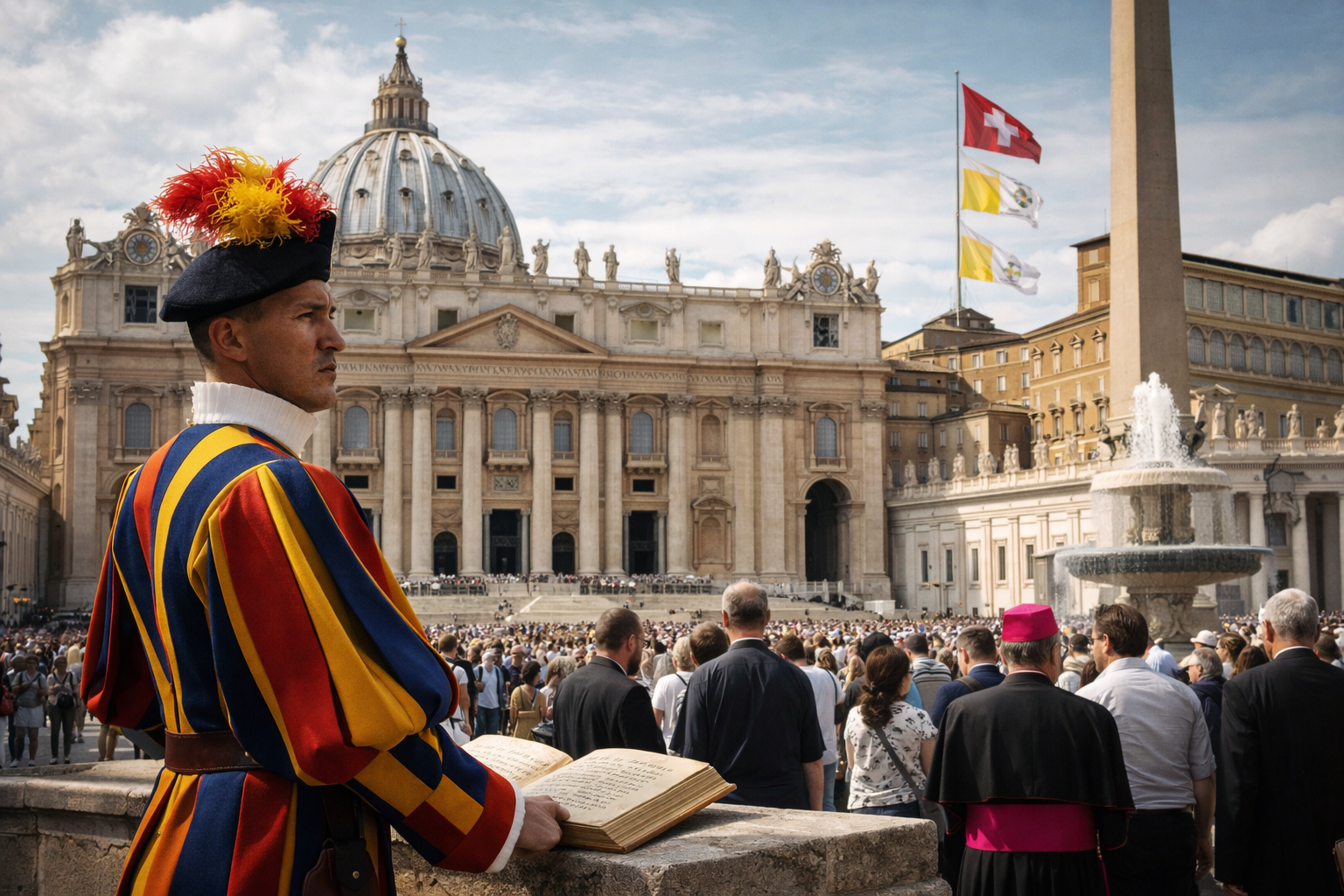
7 Languages Spoken Inside the Vatican Today
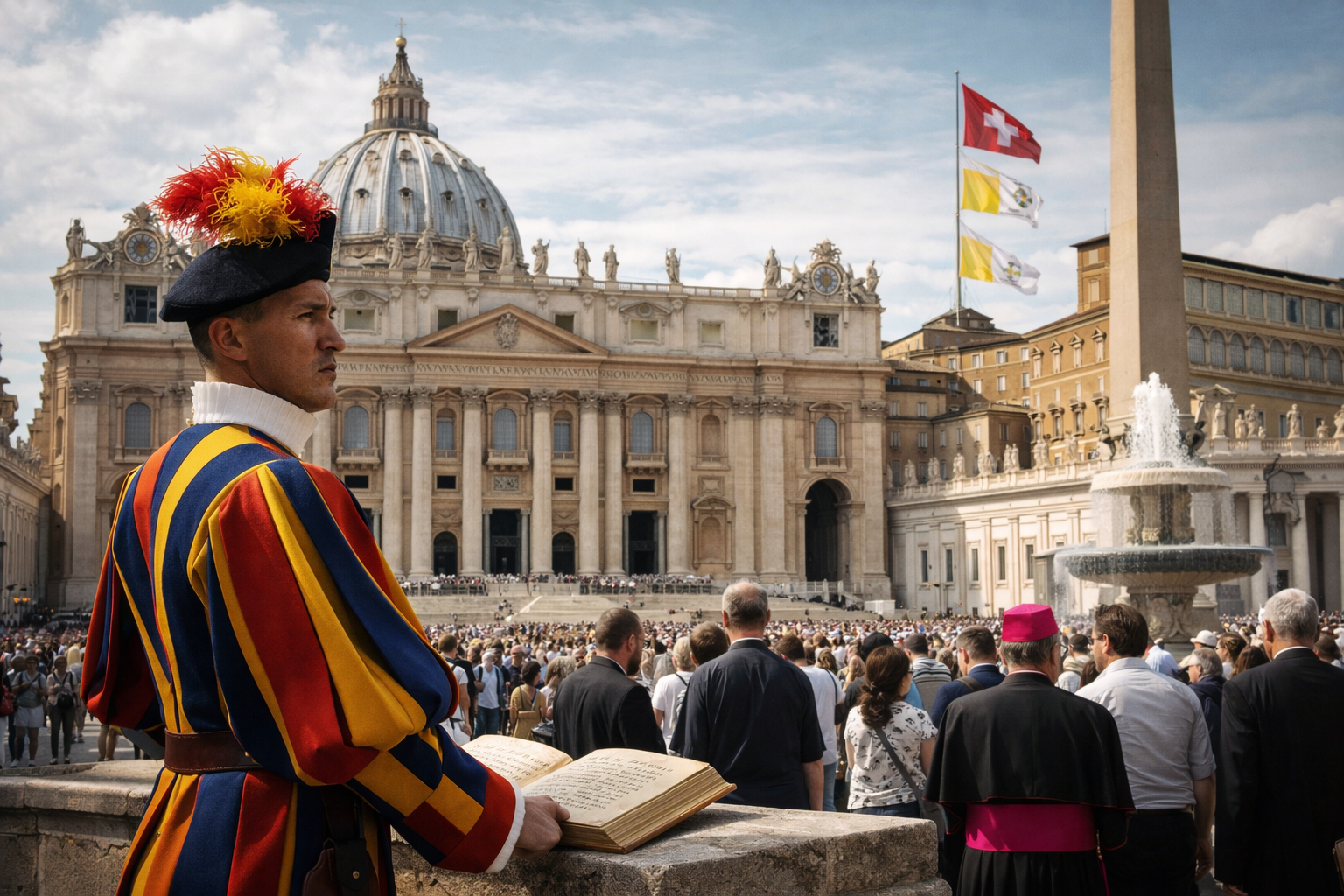
Table of Contents
-
- 1. Introduction
- 2. Latin: The Language of the Church
- 3. Italian: The Language of Vatican City
- 4. Spanish: The Language of the Global Catholic Community
- 5. French: The Diplomatic Language of the Vatican
- 6.English: A Universal Language of the Modern World
- 7.German: The Language of Tradition and Influence
- 7.Arabic: The Language of Interfaith Dialogue
- 8.Conclusion
Summary
The Vatican, a center of spirituality, diplomacy, and history, is a melting pot of languages that reflect its global influence. From Latin, the sacred language of the Church, to Italian, the official language of Vatican City, each language carries unique significance. This blog delves into the seven languages spoken inside the Vatican today and their importance in shaping its cultural and diplomatic landscape.
1. Latin: The Language of the Church
Latin has been the official language of the Vatican and the Catholic Church for centuries. While no longer spoken as a vernacular language, it remains central to the Church's liturgy, theology, and official documents.
Key Insight: Latin is used in Vatican ceremonies, prayers, and Mass. It is the language of the ancient texts that have shaped Catholic doctrine, including the Bible's original translations.
- Liturgy: Latin is used for the traditional Mass, and many hymns are sung in Latin.
- Historical Significance:Latin is the language of the Church's foundational texts, such as the writings of the early Church Fathers.
- Legacy: It connects modern-day Catholics with their historical and theological roots.
2. Italian: The Language of Vatican City
Italian is the official language of Vatican City, and it's the primary language used in everyday communication within the Vatican. It plays a crucial role in administration, governance, and local interactions.
Key Insight: While Latin may be used for the Church's spiritual functions, Italian is the practical language of the Vatican’s day-to-day operations, ensuring that officials and visitors can communicate effectively.
- Official Documents:Vatican City’s laws and regulations are written in Italian.
- Cultural Connection: Italian reflects Vatican City's geographic and cultural proximity to Italy.
- Vatican Life:The Pope and other Vatican leaders use Italian for public addresses, meetings, and publications.
3. Spanish: The Language of the Global Catholic Community
Spanish is spoken by millions of Catholics worldwide, especially in Latin America. It holds significant cultural and religious importance within the Vatican, as the Church’s influence in Spanish-speaking countries is vast.
Key Insight: With over 500 million speakers, Spanish has become an essential language for the Vatican’s communication efforts, reaching a broad audience of faithful.
- Global Reach: Spanish is used to address Catholics in Spain, Latin America, and the United States.
- Papal Communications: Many of the Pope’s speeches and messages are delivered in Spanish, especially during trips to Spanish-speaking countries.
- Religious Significance: Spanish translations of important documents help the Vatican connect with millions of followers.
4. French: The Diplomatic Language of the Vatican
French has long been considered the language of diplomacy, and the Vatican is no exception. Historically, French was the language of the European aristocracy and is still used in the Vatican's diplomatic communications.
Key Insight: French’s status as the Vatican's diplomatic language enhances the Holy See’s ability to engage with other sovereign states and international organizations, especially in the context of global diplomacy.
- Diplomatic Relations French is frequently used in Vatican City for communication with international ambassadors and diplomats.
- Papal Pronouncements:Important international documents, such as encyclicals and apostolic exhortations, are often translated into French
- Catholic Influence: French was historically the language of many Catholic monarchies and the European elite.
5. English: A Universal Language of the Modern World
English is increasingly important in the Vatican, especially with its global influence. It is commonly used for international communications and is spoken by many visitors and clergy.
Key Insight: As one of the world’s most widely spoken languages, English is essential for the Vatican’s interaction with the modern world. It bridges gaps between different cultures and religions.
- Global Communication:English is used in international meetings, media interviews, and speeches delivered by the Pope.
- Catholic Outreach:The Vatican uses English for publications, including newsletters and websites, to reach a global audience.
- The Role of English in Modernism: English helps the Vatican maintain relevance in the 21st century, appealing to the younger generation and secular audiences.
6. German: The Language of Tradition and Influence
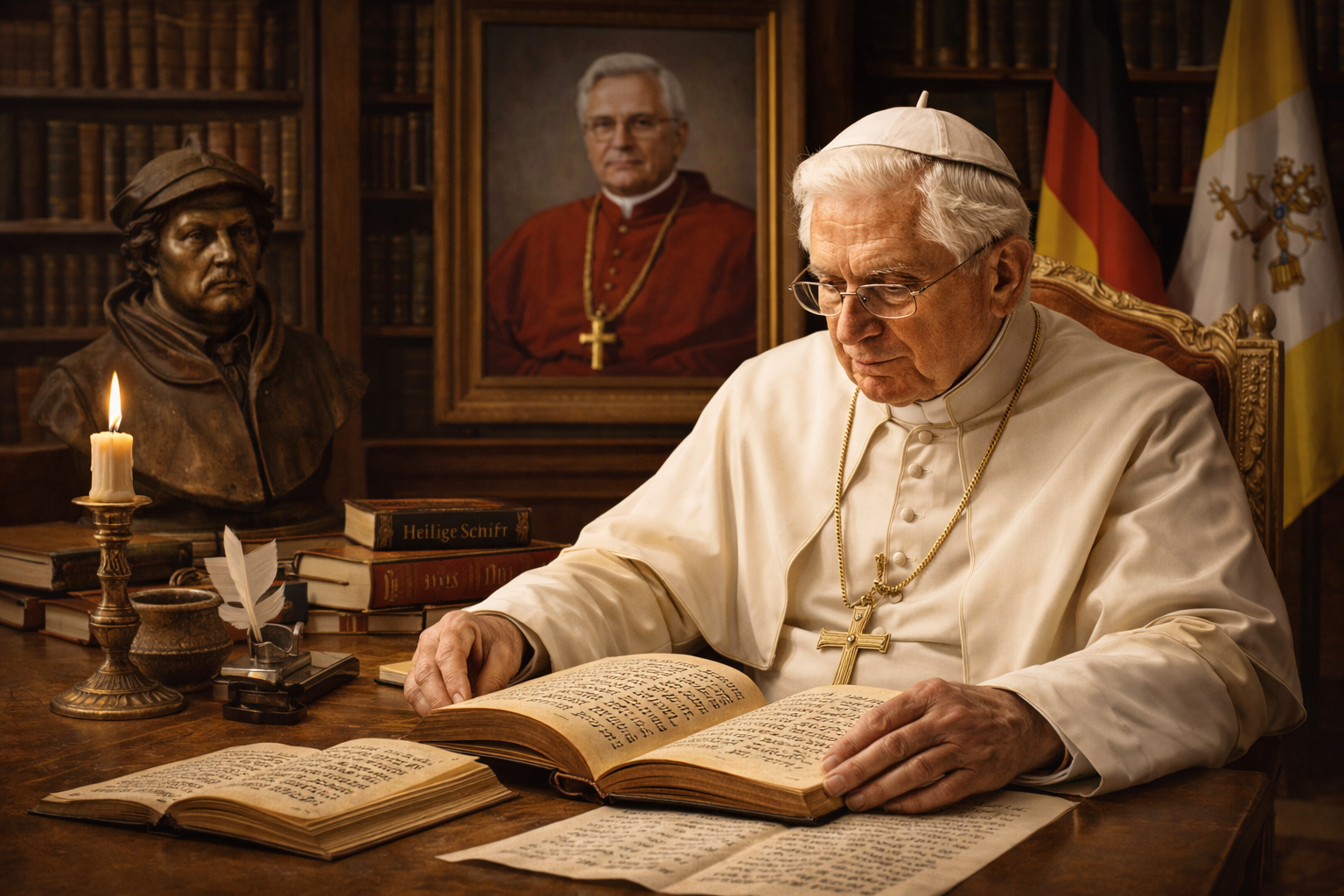
German plays an important role in the Vatican, particularly in theological scholarship and the Catholic intellectual tradition. Germany’s historic role in the Catholic Church has made German a key language within the Vatican.
Key Insight: German is not only a language of scholarly and theological importance but also a practical language for many of the Vatican’s clergy, as it is spoken by a significant number of priests and bishops.
- Theological Importance: German has been the language of influential theologians, such as Martin Luther and Joseph Ratzinger (Pope Benedict XVI).
- Clerical Education:Many Catholic educational institutions and seminaries in German-speaking countries use German as their main language of instruction.
- Cultural Impact: German remains crucial in preserving the traditional Catholic academic and intellectual heritage.
7. Arabic: The Language of Interfaith Dialogue
Arabic, the language of the Quran and the Islamic faith, has an important place in Vatican dialogue with the Muslim world. As part of the Vatican's commitment to interfaith dialogue, Arabic is a crucial language for diplomatic relations with Arab-speaking countries.
Key Insight: Arabic is used in Vatican City for engagement with Islamic leaders and communities, highlighting the Vatican’s efforts to foster peace and understanding between the Catholic and Muslim worlds.
- Interfaith Dialogue:The Vatican has maintained strong relationships with Muslim-majority nations, and Arabic is essential for these interactions.
- Global Outreach: Arabic is spoken by over 300 million people, making it a language that cannot be overlooked in global Catholicism.
- Papal Communications:The Pope’s messages, especially during visits to Arab countries, are often translated into Arabic.
Conclusion
The Vatican, as the heart of the Catholic Church, is not just a spiritual hub but also a place where many languages come together. From Latin, the language of ancient tradition, to Arabic, a tool for interfaith dialogue, the Vatican’s linguistic diversity reflects the global reach of Catholicism. Each language serves a specific role, whether for diplomacy, global outreach, or religious tradition, and ensures that the Vatican remains connected to its diverse worldwide community.
Key takeaways
-
-
- The Vatican uses a variety of languages to maintain communication with different cultures and religious groups.
- Latin remains the sacred language of the Catholic Church and its liturgy.
- Spanish and French are crucial for reaching global Catholic audiences and maintaining diplomatic relations.
- Arabic plays a key role in fostering dialogue with the Muslim world.
- Italian remains the official language of Vatican City for administrative purposes.
-