



























What Languages Are Spoken in South Africa?

Table of Contents
-
- 1. Summary
- 2. South Africa’s Linguistic Diversity
- 3. Zulu: The Most Widely Spoken Language
- 4. Afrikaans: From History to Modern Use
- 5. English Bridges Communication
- 6. Other Official Languages and Regional Dialects
- 7. Real-World Scenario: Translation Mistakes in South Africa
- 8. How Professional Translation Services Help
- 9. Conclusion
- 10. Key Takeaways
- 11. FAQs
Summary
South Africa has a remarkable linguistic landscape with 11 official languages and over 20 regional dialects. While fascinating, this diversity can create challenges for businesses, educators, and travelers who need to communicate effectively. Understanding which languages are spoken where and how they are used is essential.
This guide explores South Africa’s languages, their cultural nuances, and how professional translation services from The Spanish Group ensure messages are accurate, clear, and culturally sensitive.
South Africa’s Linguistic Diversity
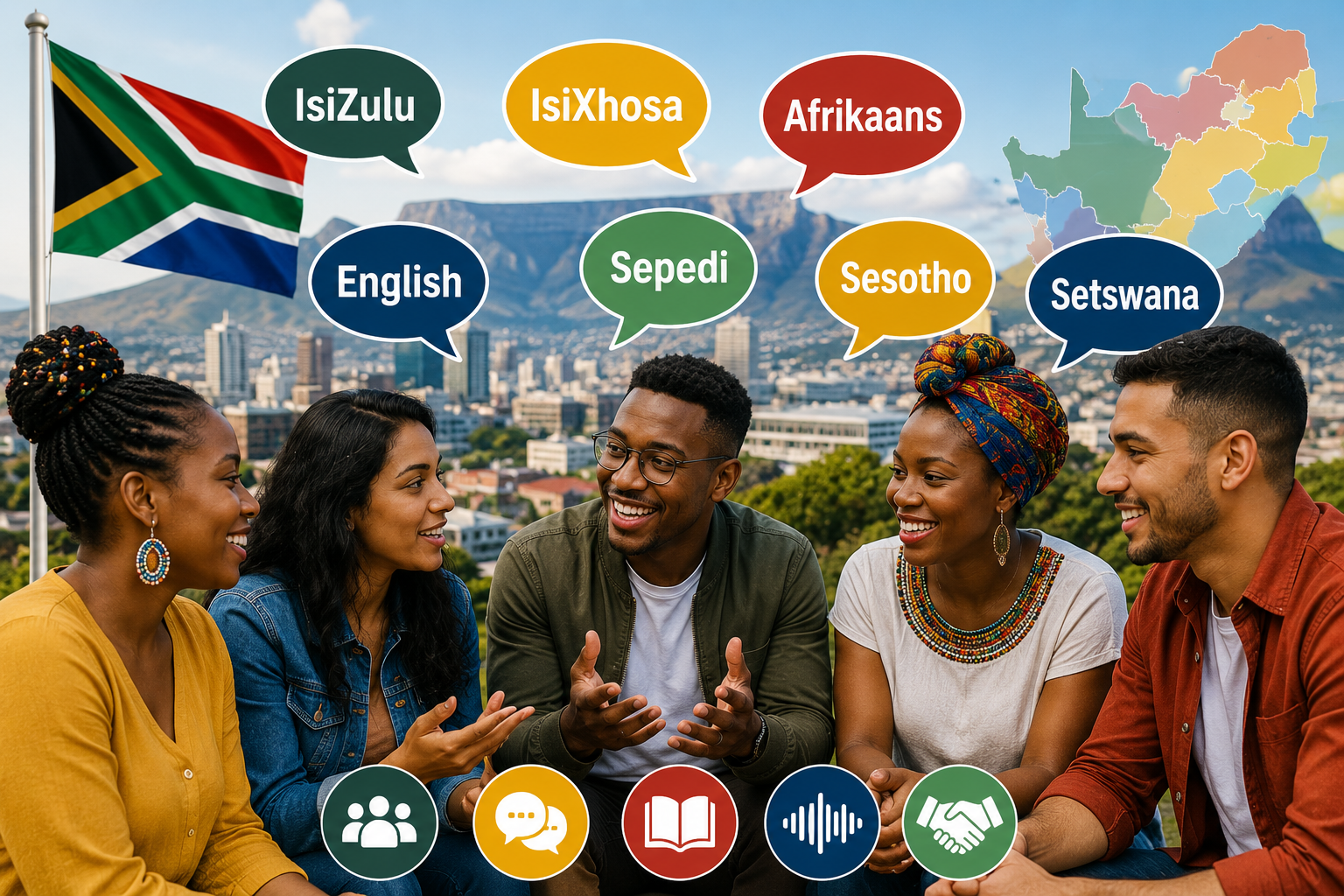
South Africa’s languages are unique and complex. The country officially recognizes 11 languages:
- Zulu
- Xhosa
- Afrikaans
- English
- Northern Sotho
- Tswana
- Southern Sotho
- Tsonga
- Swati
- Venda
- Ndebele
Local dialects add even more complexity. This linguistic diversity impacts everything from government communications to marketing campaigns. Businesses that overlook language differences risk miscommunication, losing credibility, and missing valuable opportunities.
Zulu: The Most Widely Spoken Language
Zulu is the most spoken language in South Africa, with over 12 million native speakers, primarily in KwaZulu-Natal and surrounding areas. It is deeply embedded in media, music, and education.
Key aspects include:
- Rich cultural expressions and idioms that are difficult to translate literally.
- Commonly used in local signage and media.
- Central to identity and community cohesion.
Professional translation services ensure that communications in Zulu are both accurate and culturally sensitive. Literal translations may confuse or offend audiences, while expert translations preserve meaning and intent.
Afrikaans: From History to Modern Use
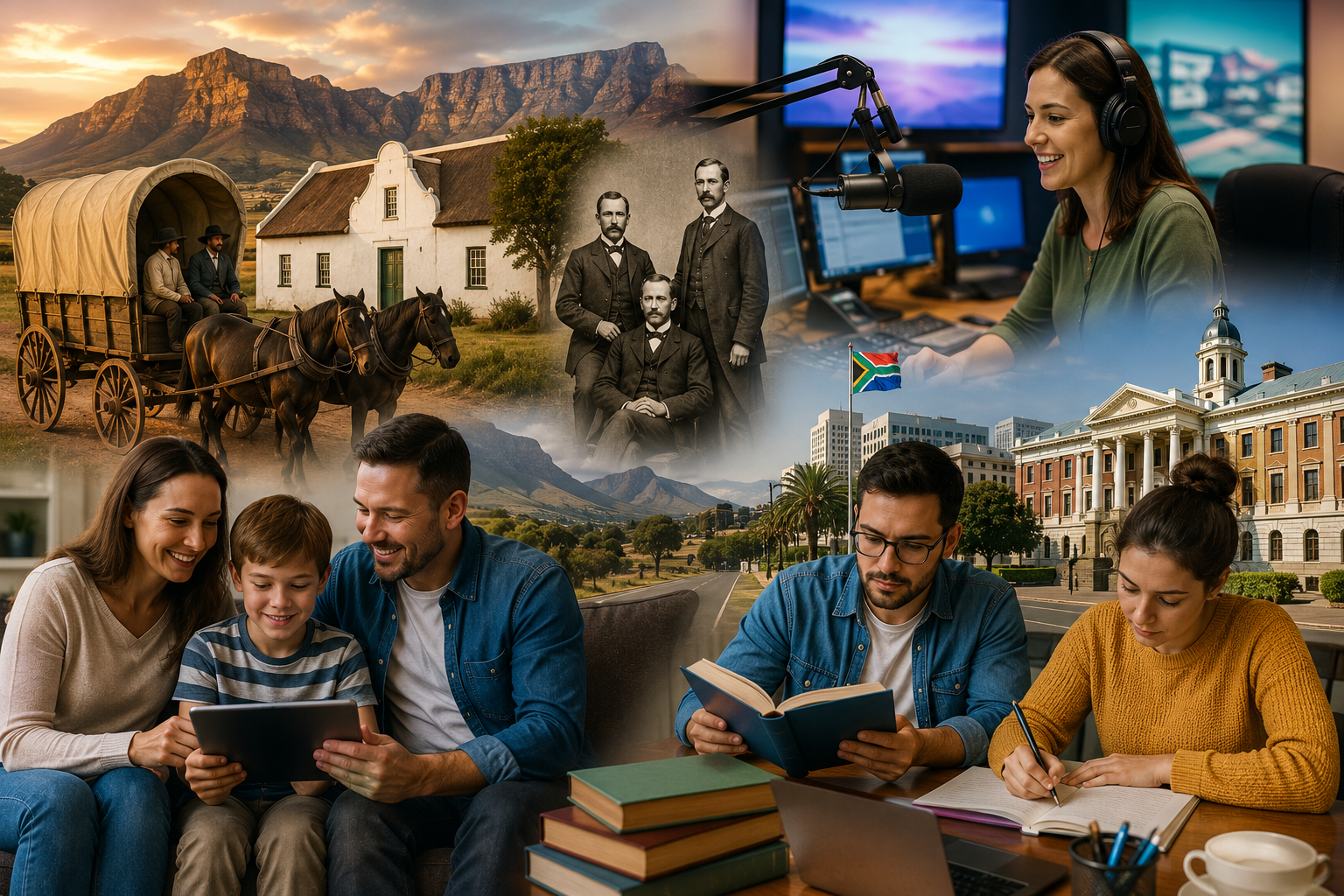
Afrikaans originated from Dutch settlers and is widely spoken, particularly in the Western Cape, Northern Cape, and parts of Gauteng. Despite perceptions that it is primarily a historical language, Afrikaans continues to thrive in media, education, and government.
Challenges include:
- Regional variations in vocabulary and pronunciation.
- Unique idiomatic expressions.
- Informal mixing with English in daily conversations.
Professional translation services guarantee that Afrikaans materials are accurate, culturally appropriate, and free from errors that could create confusion or miscommunication.
English Bridges Communication
English serves as South Africa’s lingua franca, connecting speakers of different languages in business, education, and government.
However, even English communications require careful adaptation.
Important considerations:
- South African English includes unique vocabulary and spelling.
- Literal translations from other languages can create confusion.
- Idioms differ from American or British English.
Professional translation services ensure clear communication while respecting local language norms. For example, marketing content translated directly from U.S. English may seem awkward or unclear in South African English if not properly localized.
Other Official Languages and Regional Dialects
Besides Zulu, Afrikaans, and English, South Africa has eight other official languages, each with distinct regional usage.
- Xhosa: Spoken in the Eastern Cape and known for its rich oral storytelling traditions.
- Northern Sotho: Common in Limpopo and often used in formal and ceremonial settings.
- Tswana: Widely spoken throughout the North West Province.
- Southern Sotho: Important in education and government communications in the Free State.
- Tsonga, Swati, Venda, and Ndebele: Regional languages with unique grammar structures and idiomatic expressions.
Translation challenges include:
- Multiple dialects within a single language.
- Rare words or phrases with no direct equivalent.
- Maintaining tone and context in business, legal, and educational documents.
Professional translation services ensure that even less commonly spoken languages are accurately translated while preserving meaning, compliance, and cultural integrity.
Real-World Scenario: Translation Mistakes in South Africa
A healthcare company launched a public awareness campaign in Johannesburg without properly localizing its Zulu-language brochures. The content was translated literally, ignoring important cultural nuances.
Consequences:
- Patients misunderstood healthcare instructions.
- Local partners questioned the company’s professionalism.
- The organization faced reputational damage and costly revisions.
Solution:
Certified translation services ensure communications are culturally accurate, compliant, and easy to understand. The Spanish Group provides expert translations that prevent misinterpretation and protect organizational credibility.
How Professional Translation Services Help
Professional translation services in South Africa provide measurable benefits.
- Accuracy: Correct translation of idioms, technical terminology, and numerical information.
- Cultural Relevance: Content adapted for regional audiences and local expectations.
- Consistency: Uniform language across documents, websites, and marketing materials.
- Compliance: Adherence to legal and regulatory requirements.
The Spanish Group combines certified expertise and cultural knowledge across more than 90 languages, helping businesses communicate clearly, avoid costly mistakes, and strengthen relationships with South African stakeholders.
Conclusion
South Africa’s linguistic diversity presents both tremendous opportunities and unique communication challenges. Miscommunication can lead to financial losses, legal complications, and damaged reputations. Understanding languages such as Zulu, Afrikaans, English, and other regional languages is essential for effective engagement.
Professional translation services ensure accuracy, cultural sensitivity, and compliance. The Spanish Group provides certified translations in over 90 languages, helping organizations communicate confidently, protect credibility, and engage meaningfully in South Africa’s multilingual environment.
Key Takeaways
- South Africa has 11 official languages plus numerous regional dialects.
- Professional translation ensures clarity, cultural relevance, and regulatory compliance.
- English, Zulu, and Afrikaans are dominant languages, but regional languages remain essential.
- Certified translation protects reputation, legal integrity, and business outcomes.