



























Jan 20, 2020
Summary
The article highlights ten essential Spanish phrases that every traveler should learn to communicate effectively in Spanish-speaking countries. It emphasizes that even basic phrases can improve interactions, build connections, and enhance travel experiences. Common expressions include greetings like “Hola,” polite terms such as “Por favor” and “Gracias,” and useful questions like “¿Dónde está…?” and “¿Puede ayudarme?”. These phrases help in everyday situations such as asking for directions, shopping, or ordering food. Overall, learning simple Spanish phrases allows travelers to navigate new environments with confidence, show respect for local culture, and enjoy more meaningful and authentic experiences.
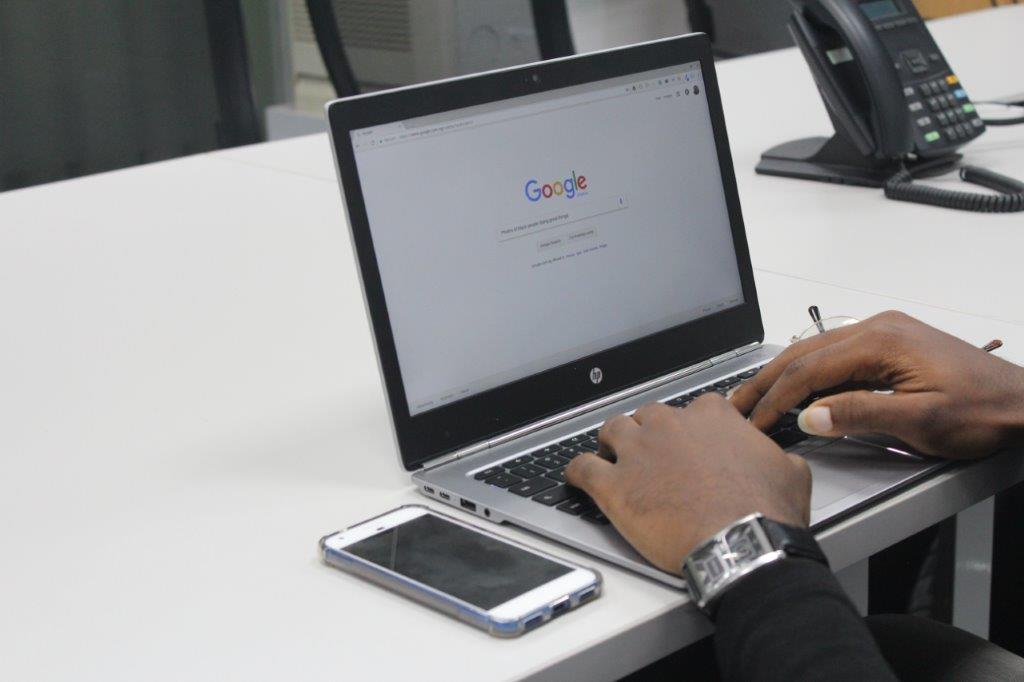
Google Translate is widely considered the best available machine tool for helping someone quickly navigate through another language. When a word or phrase needs to be rapidly translated, millions turn to Google. If you have traveled the world, or simply gotten a foreign language email, you too know how amazing this technology can be. However, many have come to realize that the translations given by Google are, at times, faulty and occasionally just wrong.
This leaves many businesses and individuals with a question regarding the proper usage of Google Translate. Google Translate is a tool, and like a tool, it has some tasks it is perfect for, and others, it simply is not made to handle.
When is a machine tool a suitable translation replacement, and what are their limitations? How xto attempt to answer these questions.
Comparing Google Translate to a Foreign Language Translator
Anybody who speaks two languages can go to Google Translate and quickly find an error with the translations given. You will have a much harder time repeating these results with certified foreign language translators.
Douglas Hofstadter did one of the best breakdowns of these mistakes in an article for The Atlantic. Douglas looked at translations in Chinese, German, and French and was able to quickly point out errors as soon as Google was required to decipher and interpret the context of a sentence. In most languages, without context, it can be impossible to place the correct word accurately. Clarifying possession and the gendering of words, necessary in many languages, is also a constant issue.
For example, Douglas wrote a passage in French and then compared his translation to Google Translate. The result clearly demonstrates how the lack of human understanding limits a machine’s ability to (currently) decipher how to translate a language accurately.
In French:
Chez eux, ils ont tout en double. Il y a sa voiture à elle et sa voiture à lui, ses serviettes à elle et ses serviettes à lui, sa bibliothèque à elle et sa bibliothèque à lui.
In English:
In their house, everything comes in pairs. There’s his car and her car, his towels and her towels, and his library and hers.
Google Translate, French to English:
At home, they have everything in double. There is his own car and his own car, his own towels and his own towels, his own library and his own library.
Granted, this was a bit of a trap sentence, but it makes the point clear. Many industries and professions can’t afford these types of mistakes and must still rely on professional language translation services.
Should You Use Google Translate?
Like language, the correct answer depends on the context. Google Translate has saved me dozens of times during my travels, but I’ve been lucky. I often put it like this: You should use it when asking for directions, but not when speaking to an official like a doctor or a police officer ―it may be better to wait for a foreign language translator in those cases.
This nuance is probably put best by England's National Health Service. The health service in Great Britain requires a foreign language translator or the services of a language translation company on hand. This requirement was put into place because while Google Translate was found to be mostly accurate, it still could lead to life-threatening medication errors. At the same time, while they did caution doctors against using Google Translate, experts said emergency cases where no translator could be found could warrant the use of Google Translate.
This sums up the debate reasonably well. Google Translate is excellent for mundane tasks or in emergencies, but should not be relied upon as your go-to in a medical or legal matter ―or any situation of importance.
Alternatives to Google Translate:
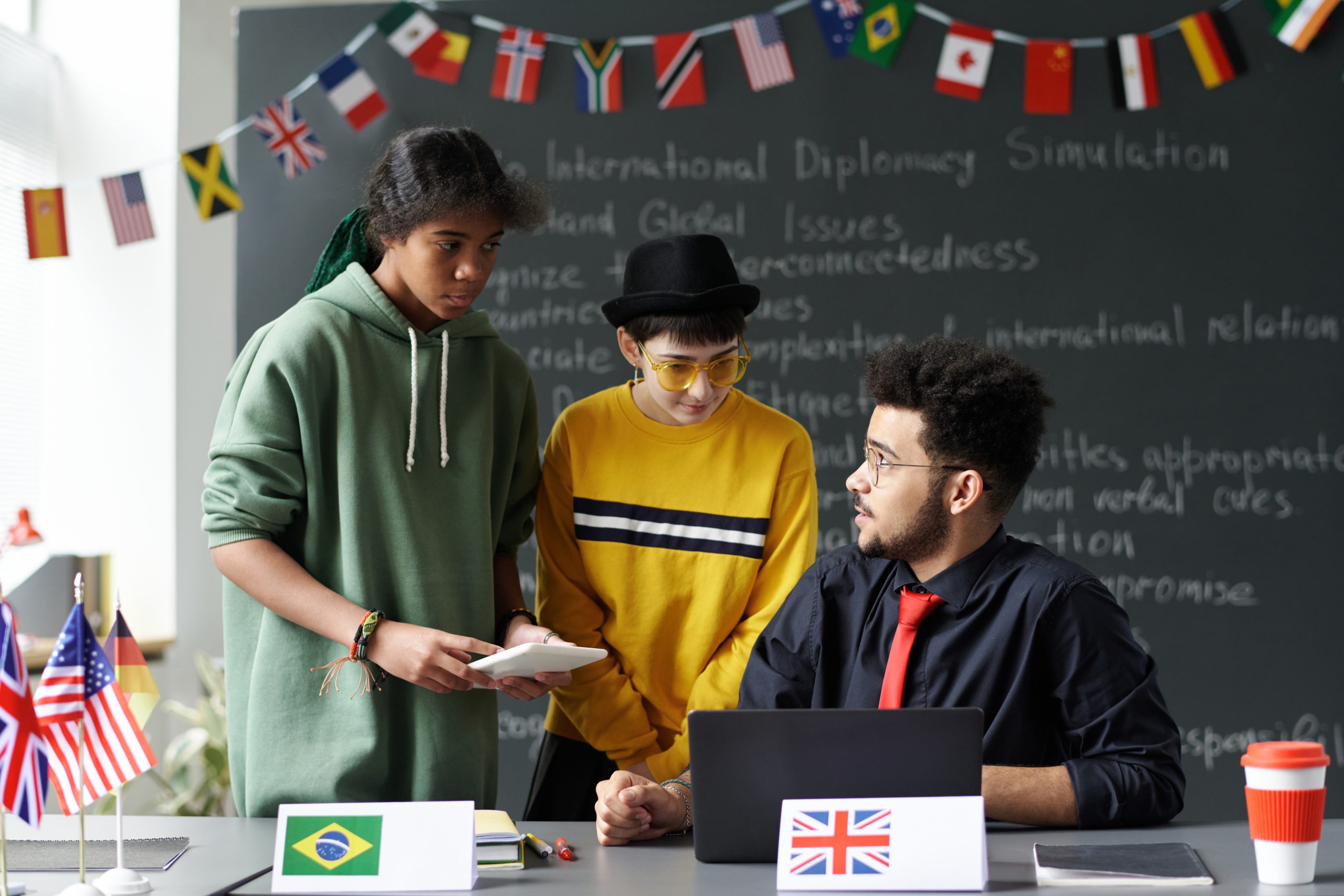
You can’t always carry along a foreign language translator in your luggage. Luckily, it is not hard to find a foreign language translation company that provides online solutions. An online chat language translator service can be a handy solution for when you need small segments of text, or even live conversations, translated.
Online translations services, including direct chat, can give you fast and accurate results.
Being able to send a text to be translated to a live person and get a fast response opens up many to a whole new realm of cost-effective (and accurate) translation solutions. Of course, these same online translators can also handle much larger documents and are often relied on for translations in support of projects as complex as legal cases.
If you are operating a business or plan on living overseas, then an online chat language translator is your best option for handling urgent conversations and verifying details. Good foreign language translation companies will provide this service, amongst many others.
Why Professional Language Translation Services Will Always be Necessary
Machine learning, even in the most advanced renditions, differs fundamentally from human understanding. A human foreign language translator will be needed for the foreseeable future in order to accurately decipher the purpose and meaning of a phrase.
There is no denying that “translation engines” are improving, and machine learning continues to get more sophisticated. Even The Economist has argued that translators are likely an endangered species. There is a lot of incentive to create a universally available and accurate breaching device for the language barriers of humanity. Companies, hospitals, entertainers, and more could all undeniably benefit from being able to rely 100% on a machine translation.
Translation is as much an art as it is a science, however. Like a painting or photograph, phrasing is nuanced and can be filled with subtle meaning. This is something inarguably human. Some argue that machines may never be capable of this. When technology begins to meld with philosophy I duck out. Luckily, we only need to wait and see. But, for now, It is safe to say that a Certified Translator is still clearly better than Google Translate.