



























Summary
This blog takes readers on a cultural journey through some of Honduras’s most vibrant festivals, showcasing the country’s rich traditions and communal celebrations. It highlights major religious and cultural events, including colorful carnivals, patron saint festivities, and unique local ceremonies that reflect the nation’s Indigenous, African, and Spanish influences. The article describes how music, dance, traditional attire, and regional foods play key roles in these festivals, bringing communities together in joyful expressions of identity. Honduran celebrations often blend spiritual rituals with lively public gatherings, emphasizing family, heritage, and social unity. From parades and folkloric performances to historical commemorations, the blog illustrates how these festivals preserve cultural memory and strengthen social bonds. Overall, the piece offers an engaging look at how Honduras’s festive calendar reflects its diverse cultural landscape and spirited communal life.
When travelling to a foreign destination, a quick way to get immersed in the culture is to participate in a local festival or a fiesta.
Festivals are a time when people open up their homes to guests, and visitors are able to sample local cuisine in abundance and witness local traditions.
In Honduras, a largely Roman Catholic country in Central America, many of these festivals are religious in nature. They are also grand, festive and well-attended by locals and visitors alike.
Here are some of Honduras’ most popular celebrations.
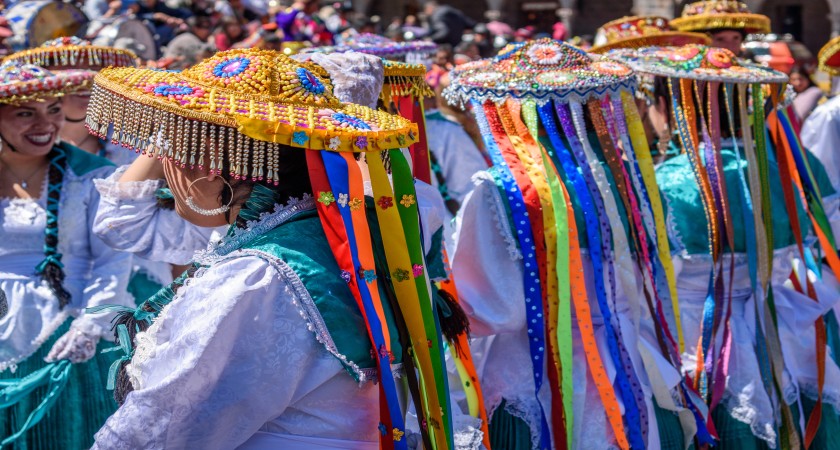
1. Feria de San Isidro. This festival is in honor of Saint Isidore, the patron saint of La Ceiba, a city in the north coast. It has been likened to New Orleans’ famous Mardi-Gras, and each year, thousands of Hondurans flock La Ceiba to join the week-long festivities. Each night, a little carnival or carnivalito is set up in the area, and on the final night, there is a grand parade of floats. This festival is also where the Milk Fair—a showcase of Hondurans’ farm products and animals—happens.
2. National Garifuna Festival. If you are visiting Honduras in July, make sure to be in town for this cultural celebration. As the name implies, it celebrates the Garifuna (those descended from African ancestors from the Caribbean Islands) culture. It is held in the town of Bajamar near Puerto Cortes. In addition to witnessing a showcase of ethnic Honduran cultures, this festival is also a venue for a lot of drinking and dancing.
3. Independence Day of Honduras. Honduras’ Independence Day is held on September 15. It commemorates the country’s independence from Spain after almost three centuries of colonization. During this day, schools are closed, and children participate in parades and other activities. The night before the Independence Day, there are fireworks to signal the celebration. The festivities start early in the morning with marching bands, and traditional Honduran foods such as beans, tamales, cassava with chicharron and tortillas are served.
4. Semana Santa. Also known as Holy Week or Easter Week, this religious festival is best experienced at the Honduran mountain town of Santa Rose de Copan near the Mayan Copan ruins where there are elaborate re-enactments of biblical events, and a procession on Good Friday.
The Spanish Group offers Spanish translation services for businesses and individuals.
The group’s professional translation services focus on Spanish to English and vice versa to ensure that a high level of quality is maintained. There is no minimum word count or fee, and revisions are packaged into the price with an optional notarization service. The Spanish Group also employs field specialized translators to handle various types of documents, be it technical, marketing, legal or medical.
To find out more about professional translation services call (800) 460-1536 or visit http://www.thespanishgroup.org.
Interested clients can also follow The Spanish Group on Twitter (www.twitter.com/thespanishgroup) or on Facebook (http://www.facebook.com/thespanishgroup).
References:
http://www.hondurasweekly.com/culture/item/10586-cultural-events-abound-in-honduras
http://www.iexplore.com/travel-guides/central-and-south-america/honduras/festivals-and-events
http://thisishonduras.com/People_and_Culture.htm#celebrations
FAQs
1. What is the best time of year to experience festivals in Honduras?
The best time to experience festivals in Honduras is between July and September, when major celebrations like the National Garifuna Festival and Independence Day take place. Religious events such as Semana Santa, held in March or April, are also among the most vibrant and culturally rich.
2. Are Honduran festivals suitable for tourists who don’t speak Spanish?
Yes. While Spanish is the primary language, festivals are highly visual and community-oriented, making them easy to enjoy even without fluency. Locals are generally welcoming, and gestures, music, food, and parades help bridge language gaps.
3. What kind of food can visitors expect at Honduran festivals?
Festival food in Honduras is hearty and traditional. Visitors can expect dishes like tamales, baleadas, beans, tortillas, cassava with chicharrón, and local sweets. Street food stalls are common, offering an authentic taste of Honduran cuisine.
4. Are Honduran festivals family-friendly?
Most festivals in Honduras are family-friendly and include activities for all ages, such as parades, music, and cultural performances. However, some celebrations — like the National Garifuna Festival — also feature late-night dancing and drinking, which may be better suited for adults.
5. Do Honduran festivals have religious significance?
Yes, many festivals in Honduras are rooted in Roman Catholic traditions. Events like Semana Santa and Feria de San Isidro combine religious observance with cultural celebrations, reflecting the country’s strong faith and community spirit.