




























7 Common Mistakes Companies Make When Translating Employee Handbooks

-
- 1. Summary
- 2. Ignoring Legal and Cultural Differences
- 3. Using Automated Translation Tools Instead of Professionals
- 4. Failing to Localize the Content
- 5. Overlooking the Need for Regular Updates
- 6. Using Inexperienced Translators for Legal Terminology
- 7. Disregarding the Importance of Formatting and Layout
- 8. Neglecting to Review Translations for Clarity
- 9. Conclusion
Summary
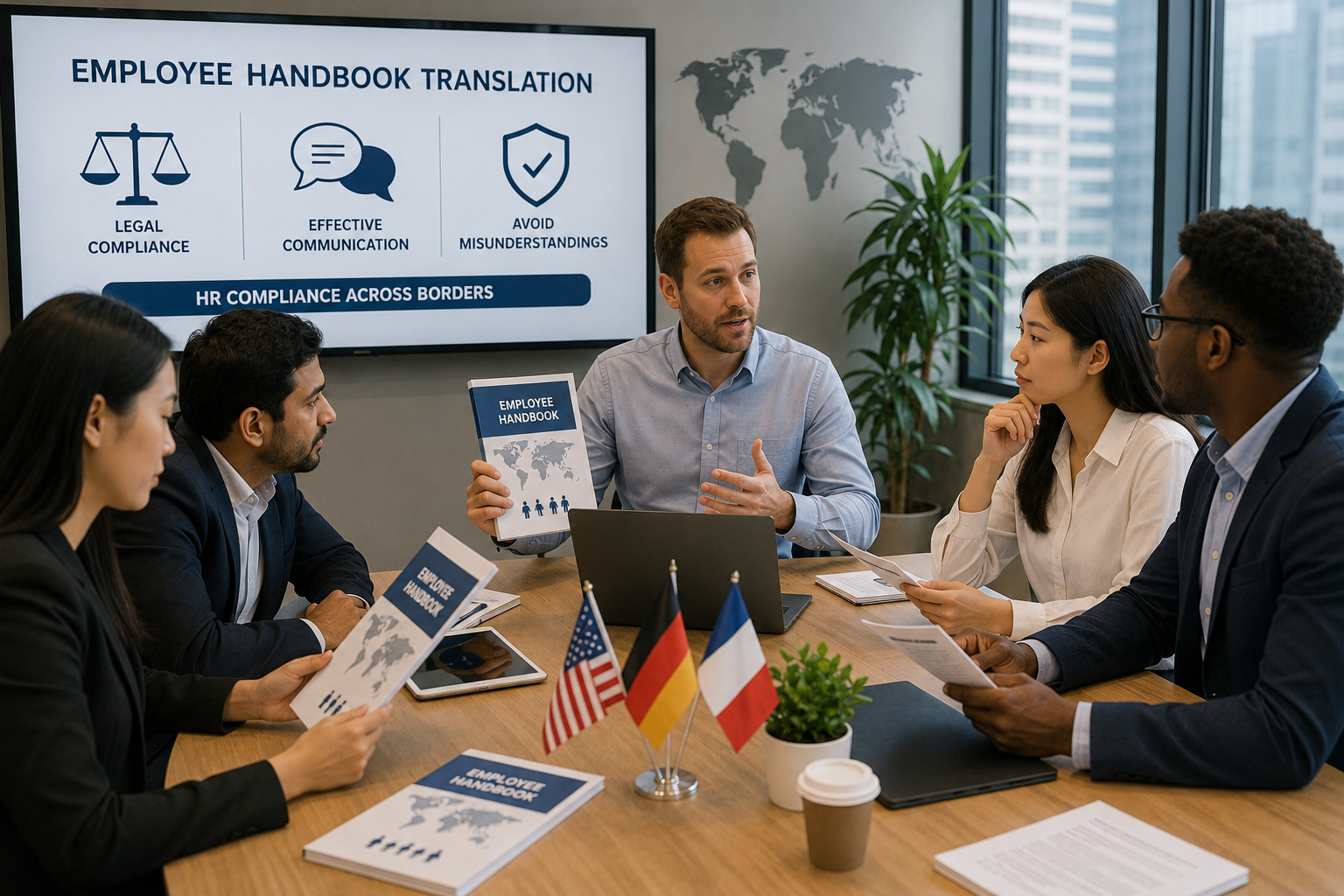
Is your employee handbook clear and legally compliant across all regions where your company operates? Failing to accurately translate employee handbooks for international employees can expose your company to legal risks, miscommunication, and employee dissatisfaction. This blog will discuss the importance of proper employee handbook translations, the risks of common translation mistakes, and best practices to ensure compliance and clarity.
1. Ignoring Legal and Cultural Differences
When translating employee handbooks for international staff, it's not just about converting text from one language to another it's about understanding local laws and cultural norms. Different countries have different labor laws and workplace policies, and ignoring these differences could result in legal violations.
For example, a U.S.-based employee handbook may include policies on at-will employment that don't apply in countries with different labor laws, such as France or Germany. Cultural nuances also play a role what's considered appropriate behavior in one country might not be in another. A professional translator with expertise in legal and HR documentation can ensure that your handbook respects local laws and cultural expectations.
Key Points:
- Employee handbooks must be tailored to local laws and cultural norms.
- Understanding legal and cultural differences is crucial for compliance.
- Translation is not just linguistic it involves contextual accuracy.
2. Using Automated Translation Tools Instead of Professionals
Automated tools like Google Translate may seem convenient for quick translations, but they are not reliable for legal and HR documents like employee handbooks. Automated tools often miss the complexities of legal language and cultural nuances, which can lead to serious misunderstandings and compliance issues.
Professional translation services, on the other hand, employ experts who understand the specific terminology and legal requirements for different regions. These experts ensure that the translation is accurate, legally sound, and culturally appropriate.
3. Failing to Localize the Content
Localization goes beyond translation it's about adapting content to meet local legal, cultural, and organizational needs. A direct translation may not make sense in certain regions if it doesn't consider local practices, policies, or expectations.
For instance, employee benefits that are common in the U.S. may not be applicable or required in other countries. The tone, formality, and structure of the handbook may also need to be adjusted based on local cultural preferences. Localization ensures that your employee handbook is relevant, respectful, and legally compliant in every location.
The importance of accuracy can’t be overstated any discrepancy could result in:
- Localization is necessary to ensure content is relevant and compliant with local laws.
- Adapt examples, policies, and tone to fit local expectations.
- A localized handbook fosters cultural understanding and employee engagement.
4. Overlooking the Need for Regular Updates
Labor laws and company policies are constantly evolving. If your employee handbook translations aren’t updated regularly, you could be operating with outdated information, potentially violating local regulations.
It’s critical to update both the original handbook and its translations to reflect any legal changes or new company policies. Failure to do so can lead to compliance issues and employee confusion.
Key Points:
- Regularly update translations to stay compliant with evolving labor laws.
- Keep the original handbook in sync with translations to avoid discrepancies.
- Timely updates prevent legal risks and ensure accurate employee information.
5.Using Inexperienced Translators for Legal Terminology
Legal language is highly specialized and requires precision. A general translator may not fully understand the nuances of HR or legal terminology, which can lead to incorrect or ambiguous translations.
For example, terms like "termination," "harassment," or "benefits" have specific legal meanings that vary by jurisdiction. Inaccurate translations of these terms could lead to misunderstandings or lawsuits. Always enlist certified translators who specialize in HR and legal documentation to ensure accuracy.
6. Disregarding the Importance of Formatting and Layout
An employee handbook isn't just about the words it’s also about the layout and structure. Poorly formatted translations can make it difficult for employees to understand their rights and responsibilities, leading to confusion and misinterpretation of policies.
Maintaining consistent formatting and layout across all translations ensures that employees can easily navigate the document, regardless of the language. Whether it’s benefits, conduct policies, or safety procedures, the structure of the handbook should remain the same.
Key Points:
- Consistent formatting ensures clarity and usability.
- Poor formatting can lead to confusion and misunderstanding.
- Keep the original structure intact in all translations for consistency.
7. Neglecting to Review Translations for Clarity
Once the employee handbook has been translated, it’s crucial to review it for clarity. A translation may be linguistically accurate but still difficult for employees to understand. Legal language should be clear and straightforward to avoid confusion.
Legal and HR experts should review the translation to ensure that it’s both accurate and easy to understand. Employees need to be able to read and comprehend the policies outlined in the handbook to comply with them effectively.
Key Points:
- Always review translations for clarity and readability.
- Involve legal and HR experts in the review process to ensure accuracy.
- Clarity in translations ensures employees can easily understand their rights and responsibilities.
Conclusion
Employee handbook translation is not a task to be taken lightly. Making the right translation choices ensures legal compliance, improves communication, and fosters a positive, productive work environment. By avoiding the 7 common mistakes outlined in this blog, you can ensure that your employee handbook is both legally accurate and culturally relevant, protecting your company and employees.
At The Spanish Group, we specialize in translating employee handbooks into over 90 languages, ensuring that they are legally compliant and culturally appropriate. Our certified translators are experts in HR and legal translations, so you can trust that your employee handbook is in safe hands. Contact us today to get started on your employee handbook translation.
Key Takeaways:
- Use professional legal translators for employee handbook translations.
- Regularly update translations to reflect changing laws and company policies.
- Ensure cultural and legal accuracy in all translations to avoid risks.