



























What Language Do They Speak in Switzerland?
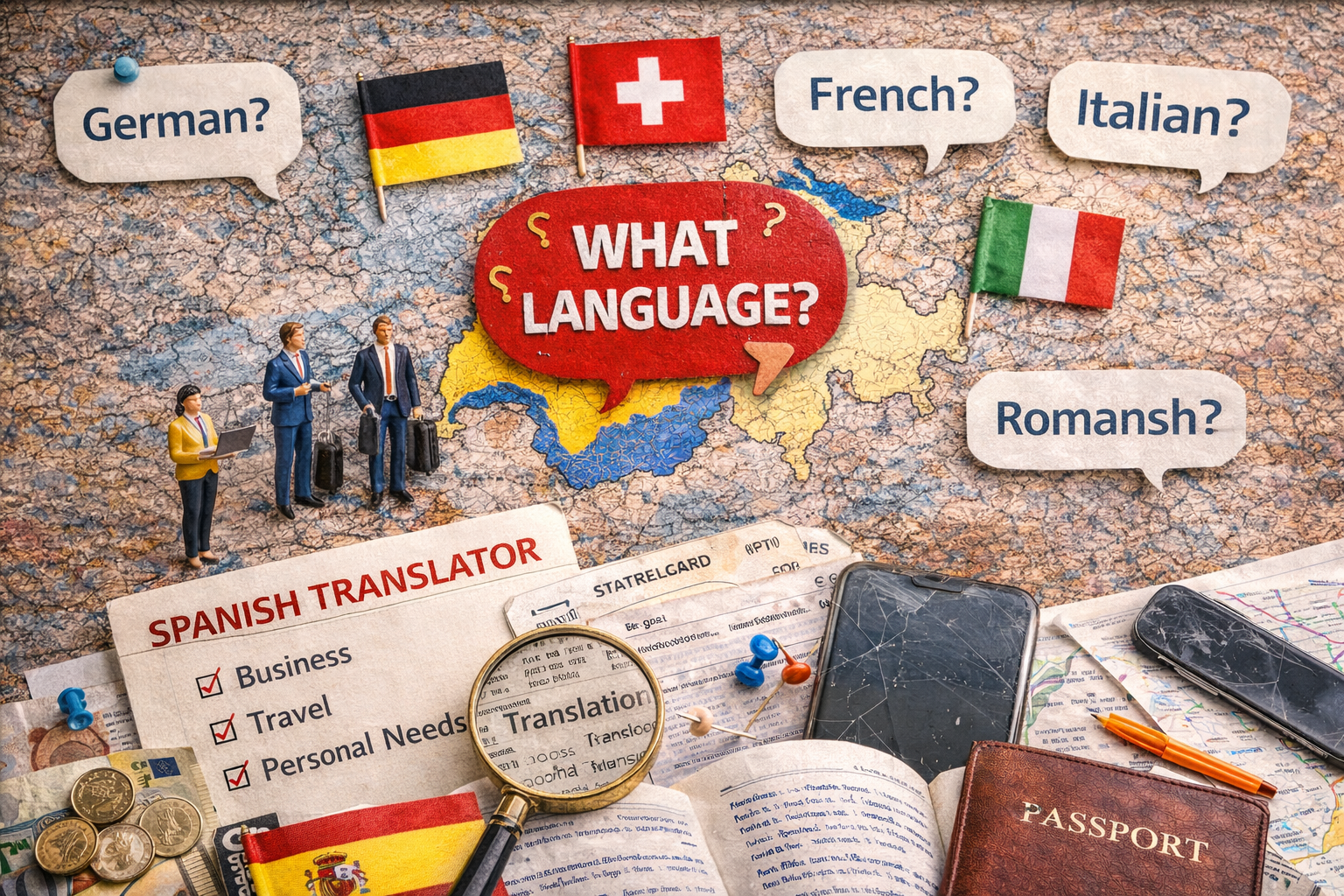
Table of Contents
-
- 2.Overview of Switzerland’s Languages
- 3.German: The Most Widely Spoken Language
- 4.French: The Language of the West
- 5.Italian: Spoken in the South
- 6.Romansh: The Lesser-Known Language
- 7.Conclusion
- FAQs
Summary
Switzerland is a unique country where four languages coexist and hold official status. Understanding what language is spoken where and by whom is essential for business, travel, or personal matters. Whether you’re an immigrant, a business owner, or someone engaging with the Swiss market, knowing how to communicate effectively across Switzerland’s linguistic landscape is key. In this blog, we’ll explore the languages spoken in Switzerland and the role of Spanish translation services for professionals and companies engaging with this multilingual country.
1.Overview of Switzerland’s Languages
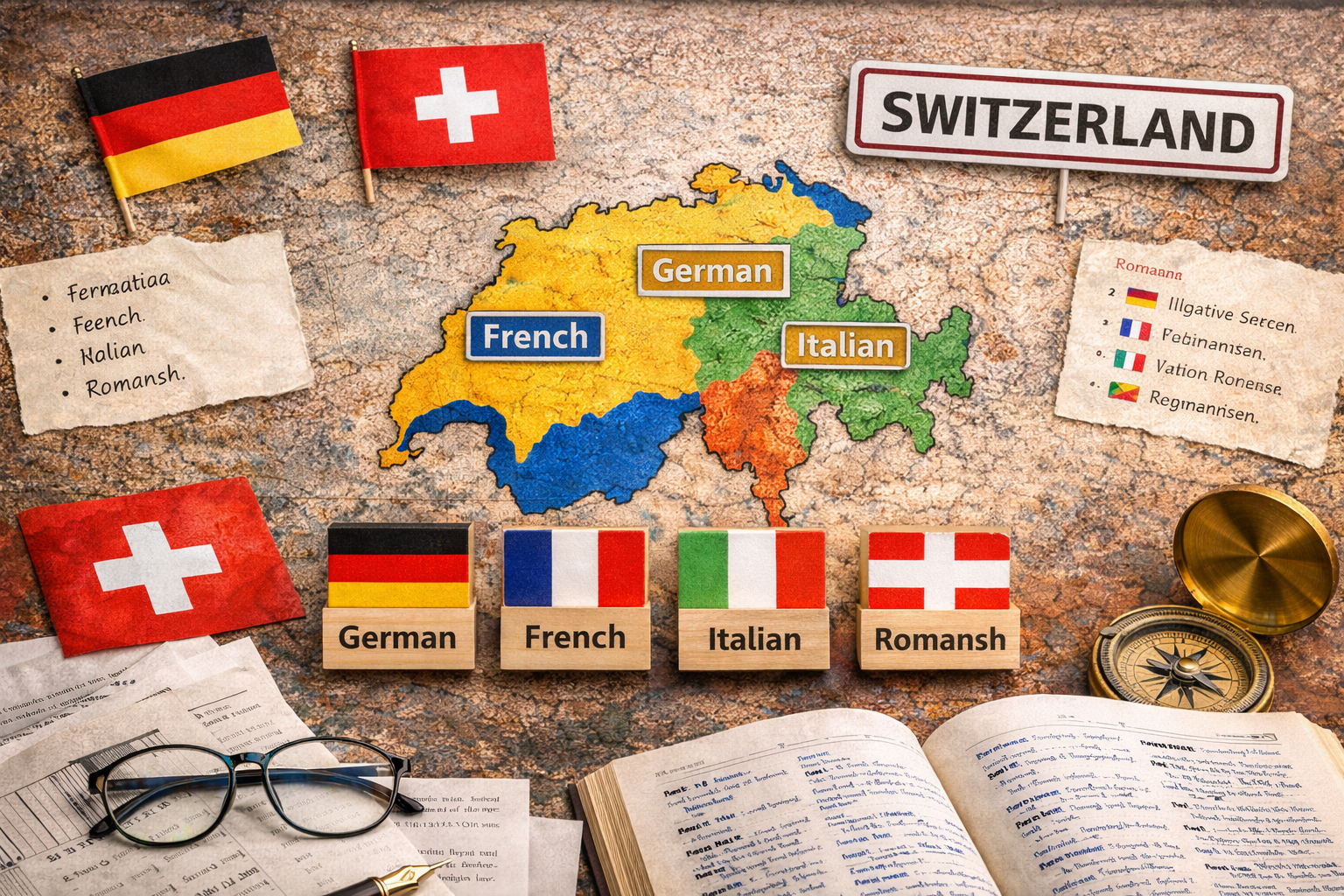
Switzerland is one of the most linguistically diverse countries in Europe. It officially recognizes four languages: German, French, Italian, and Romansh. Each language is spoken predominantly in specific regions, and the distribution of these languages is an integral part of the nation’s identity and culture. This multilingualism is not just a quirk of the country’s geography—it influences everything from business to education and government operations.
Key Insight: Understanding the four official languages of Switzerland is crucial for anyone working or living there, especially for international companies or professionals who want to make their mark in the country.
2. German: The Most Widely Spoken Language
German is the most widely spoken language in Switzerland, with around 60% of the population using it as their primary language. It is predominantly spoken in the central and eastern regions of Switzerland, including Zurich, Bern, and Basel. However, it's important to note that Swiss German (Schweizerdeutsch) is spoken in daily life, which is quite different from standard High German.
Key Insight: Swiss German varies from region to region and can differ significantly from the German spoken in Germany. This means that translations between German and Swiss German can require more than a literal translation to capture local nuances.
-
- Swiss German Variants: There are various dialects depending on the region, which can make communication challenging for non-native speakers.
- Business and Education: German is widely used in business communications and academic settings.
- Public Services: Most government documents and signage are written in German.
3.French: The Language of the West
French is spoken in the western part of Switzerland, including cities like Geneva, Lausanne, and Neuchâtel. About 20% of Switzerland’s population speaks French, and it serves as the primary language for many business and cultural interactions in the western region.
Key Insight: For international businesses or professionals working with Swiss clients in French-speaking areas, understanding French is essential. Whether it's for contracts, customer service, or networking, French is integral to communication in the western Swiss market.- Swiss French vs. Standard French: While similar to the French spoken in France, there are some differences in vocabulary, especially for everyday items and phrases.
- Cultural Significance:French is often used in Swiss diplomacy and is important for cross-border relationships with France.
- Business Implications:Companies engaging with Swiss French speakers must understand regional dialects and cultural references to communicate effectively.
- Swiss German Variants: There are various dialects depending on the region, which can make communication challenging for non-native speakers.
4. Italian: Spoken in the South
-
- Italian is the third official language of Switzerland, primarily spoken in the southern canton of Ticino, which borders Italy. Around 8% of the population speaks Italian, making it a vital language for businesses and professionals in the region.
- Key Insight: If you plan to work in Ticino or conduct business with companies in this region, understanding Italian will give you a significant advantage. It’s not just about language—cultural familiarity with Italian customs is equally important.
- Swiss Italian vs. Standard Italian:The Italian spoken in Switzerland has slight regional variations, but it’s very similar to standard Italian.
- Italian Influence: Due to its proximity to Italy, the southern part of Switzerland is heavily influenced by Italian culture, making it an attractive location for Italian businesses.
- Business Communication: Italian is used in government, legal, and business dealings in Ticino.
5. Romansh: The Lesser-Known Language
Romansh is the least widely spoken of Switzerland’s official languages, with less than 1% of the population using it as their primary language. Spoken in parts of the canton of Graubünden, Romansh is an ancient language with Latin roots, but it is in danger of disappearing as younger generations increasingly turn to German and Italian.
Key Insight: Although Romansh is a minority language, it holds cultural significance and is protected by law. However, it’s not widely used in business or international communication.
- Language Preservation Efforts: Despite its low number of speakers, Romansh is still used in cultural activities and some official documents.
- Government Support:The Swiss government actively supports the preservation of Romansh, including its inclusion in media and educational programs.
- Business Context: While understanding Romansh isn’t essential for most professionals in Switzerland, knowledge of it can be valuable for those engaging in local cultural projects or community outreach.
6. Conclusion
Switzerland’s multilingualism is a defining characteristic that sets the country apart on the global stage. Understanding the languages spoken in each region—German, French, Italian, and Romansh—can enhance your professional relationships and help navigate the country’s diverse cultural landscape. Whether you're dealing with business contracts, customer communications, or legal matters, Spanish translation services can be a critical asset when engaging with Swiss clients or partners, especially if they speak Spanish as a second language.
Key takeaways
-
-
- Switzerland’s four official languages are German, French, Italian, and Romansh.
- Language proficiency is key for businesses and professionals in Switzerland, as each region speaks different languages.
- Knowing the cultural and linguistic nuances can improve communication and lead to more successful business interactions.
- Understanding French, German, and Italian is vital for those engaging with specific regions of Switzerland.
-