



























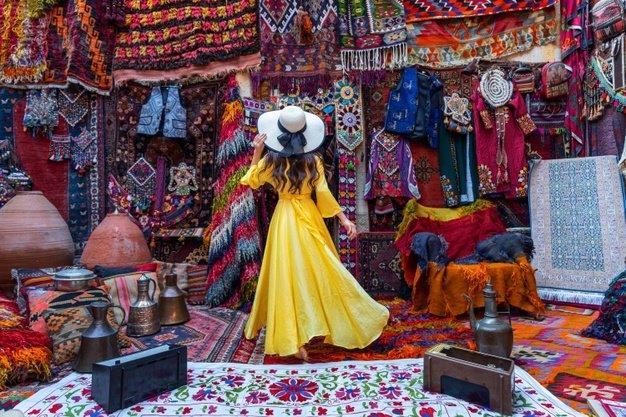
Top 10 Different Cultures Around the World

Table of Contents
Exploring different cultures around the world is a little like opening ten different windows onto everyday life. In one country, a long family dinner may be an important part of the evening. Somewhere else, people may gather over coffee for a quick conversation or take time out of a busy day for a traditional celebration.Some customs have been passed down for hundreds of years. Others have changed as communities have moved, cities have grown, and different influences have come together. That is what makes culture so interesting. It is not frozen in time. It continues to evolve.
This different cultures list looks at ten cultures and some of the traditions, values, foods, celebrations, and everyday practices associated with them. Of course, no country has just one culture. Every nation includes different communities, languages, regions, religions, and traditions. The examples below are meant to offer a starting point for understanding that diversity.
What Are Cultural Practices?
Cultural practices are the shared behaviors, traditions, values, customs, and ways of communicating that develop within a community.They can include everything from the food people prepare and the holidays they celebrate to how they greet guests and interact with family members.
If you are looking for a word for different cultures, terms such as cultural diversity, multiculturalism, and cross-cultural communities can be useful depending on the context. However, "different cultures" remains the simplest way to describe the variety of traditions and ways of life found around the world.
Culture can influence:
- Food and dining traditions
- Family relationships
- Festivals and celebrations
- Language and communication
- Clothing and art
- Music and dance
- Religious and community traditions
- Ideas about work and leisure
- Hospitality and social etiquette
Let's explore ten examples.
1. Italian Culture
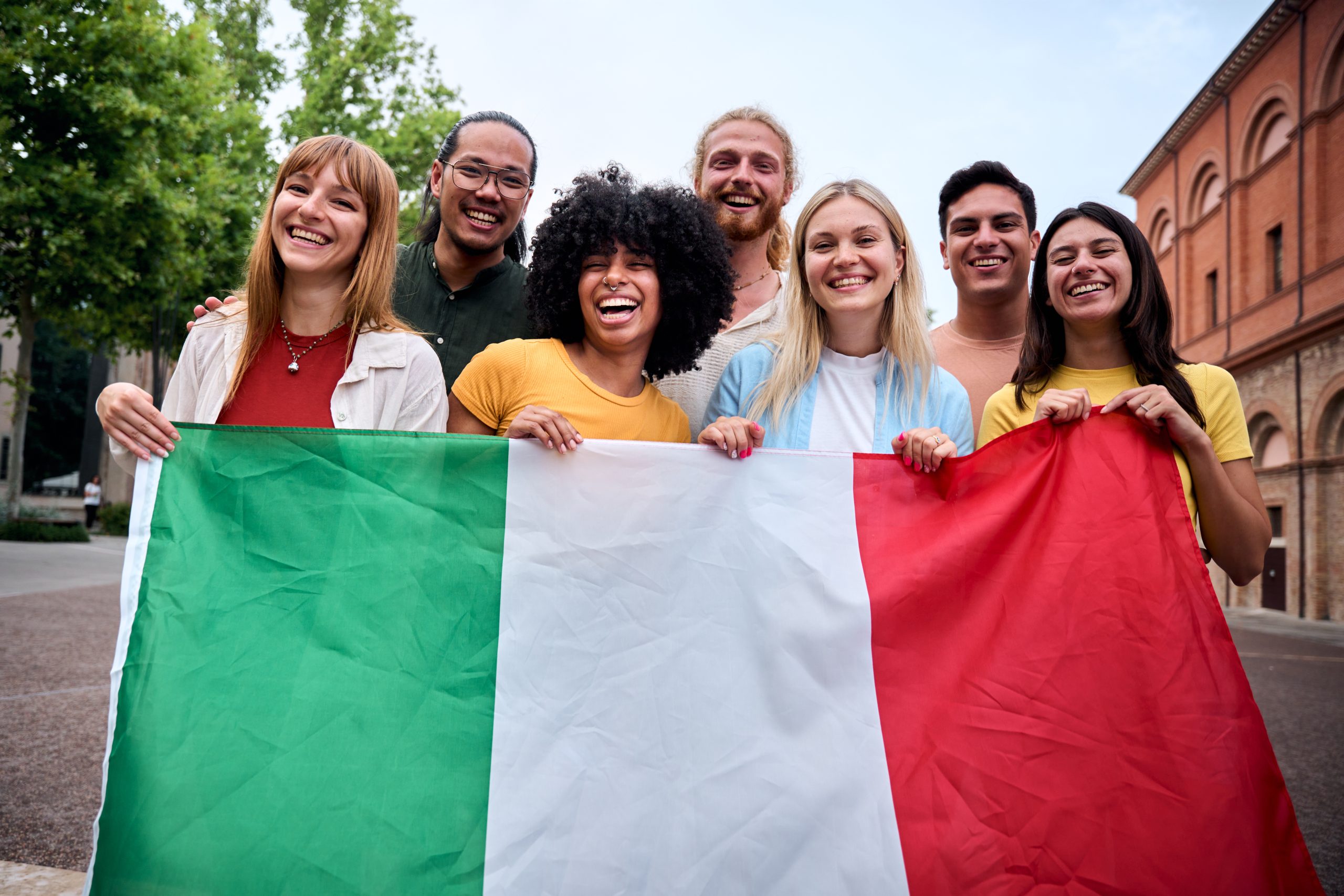
Italian culture is often associated with food, family, art, history, and spending time together. From the busy streets of Rome to the smaller towns of Tuscany and the islands of Sicily and Sardinia, traditions can vary considerably from one region to another.
Food plays an important role in everyday life. Meals are often treated as opportunities to slow down and spend time with family or friends rather than simply something to fit between other activities. Pasta, pizza, risotto, regional cheeses, fresh vegetables, and locally produced ingredients are just some of the foods associated with Italian cuisine.
Italy is also famous for its café culture. Having an espresso at a local café can be part of an ordinary day, while the piazza often acts as a social gathering place.
Festivals provide another window into Italian traditions. Venice's Carnival, for example, is known for elaborate masks, costumes, and public celebrations. Italian culture also has a strong connection to art and history. Ancient Roman sites, Renaissance artwork, historic churches, and traditional crafts continue to shape how visitors and residents experience different parts of the country.
Fun fact: The Italian expression la dolce vita translates roughly to "the sweet life" and is often associated with enjoying life's simple pleasures.
2. French Culture
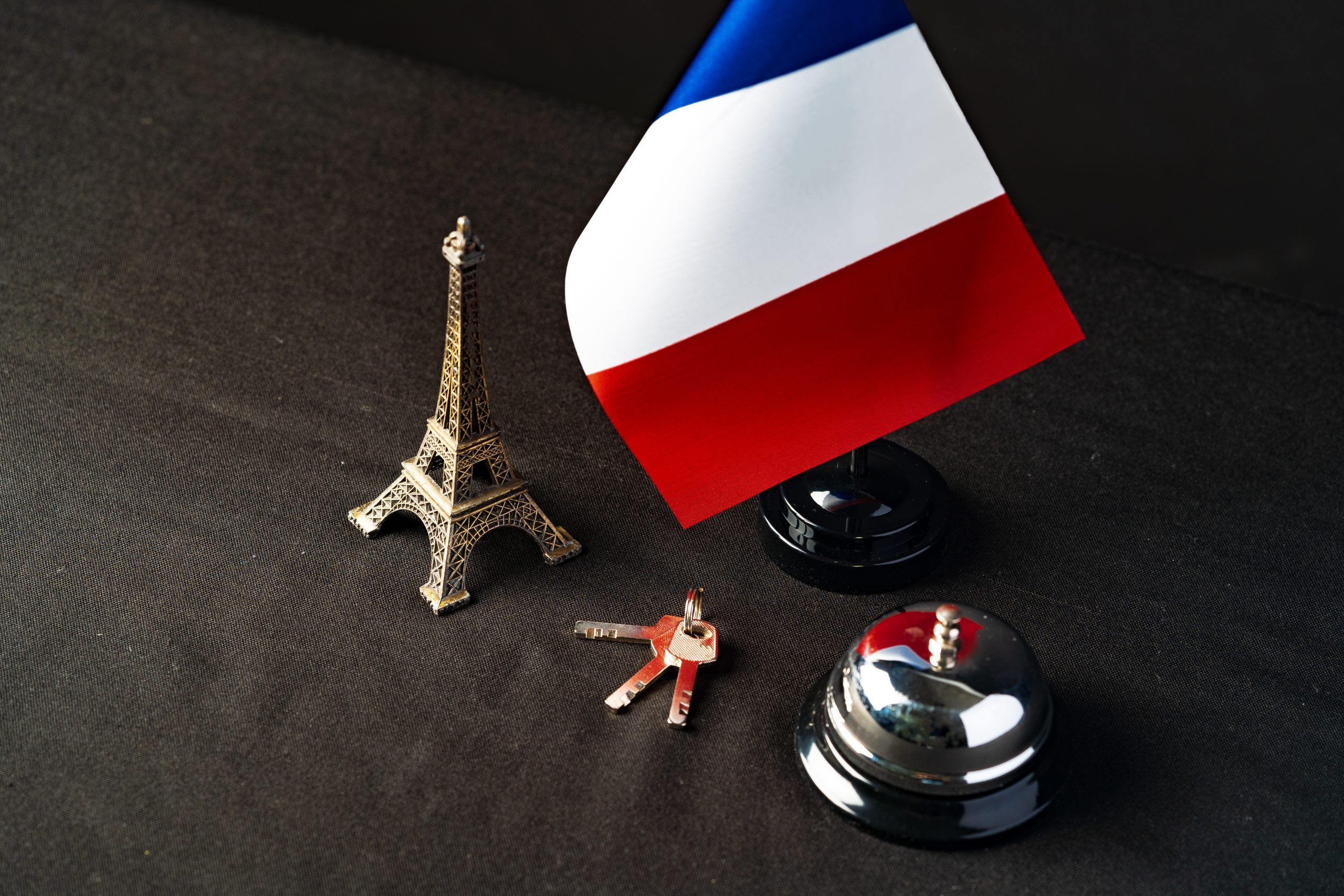
French culture is closely connected with food, conversation, art, fashion, history, and an appreciation for everyday experiences.
A meal in France can be more than simply a way to satisfy hunger. Sharing food with family or friends provides an opportunity to talk, catch up, and spend time together. Bread, cheese, pastries, regional dishes, and carefully prepared meals all have an important place in French food traditions.Local markets are another important part of life in many French communities. People can buy fresh produce, bread, cheese, meat, flowers, and other goods while interacting with local vendors.
France also has a long tradition of literature, painting, architecture, cinema, and fashion. Paris may be one of the world's best-known cultural centers, but smaller towns and rural communities have their own traditions and identities. French culture also encourages people to appreciate leisure. Sitting at a café, taking a walk, visiting a museum, or enjoying a long meal can all be part of the social experience.
Fun fact: The French word terroir is often used to describe the influence of local environmental and cultural conditions on food and agricultural products.
3. Spanish Culture
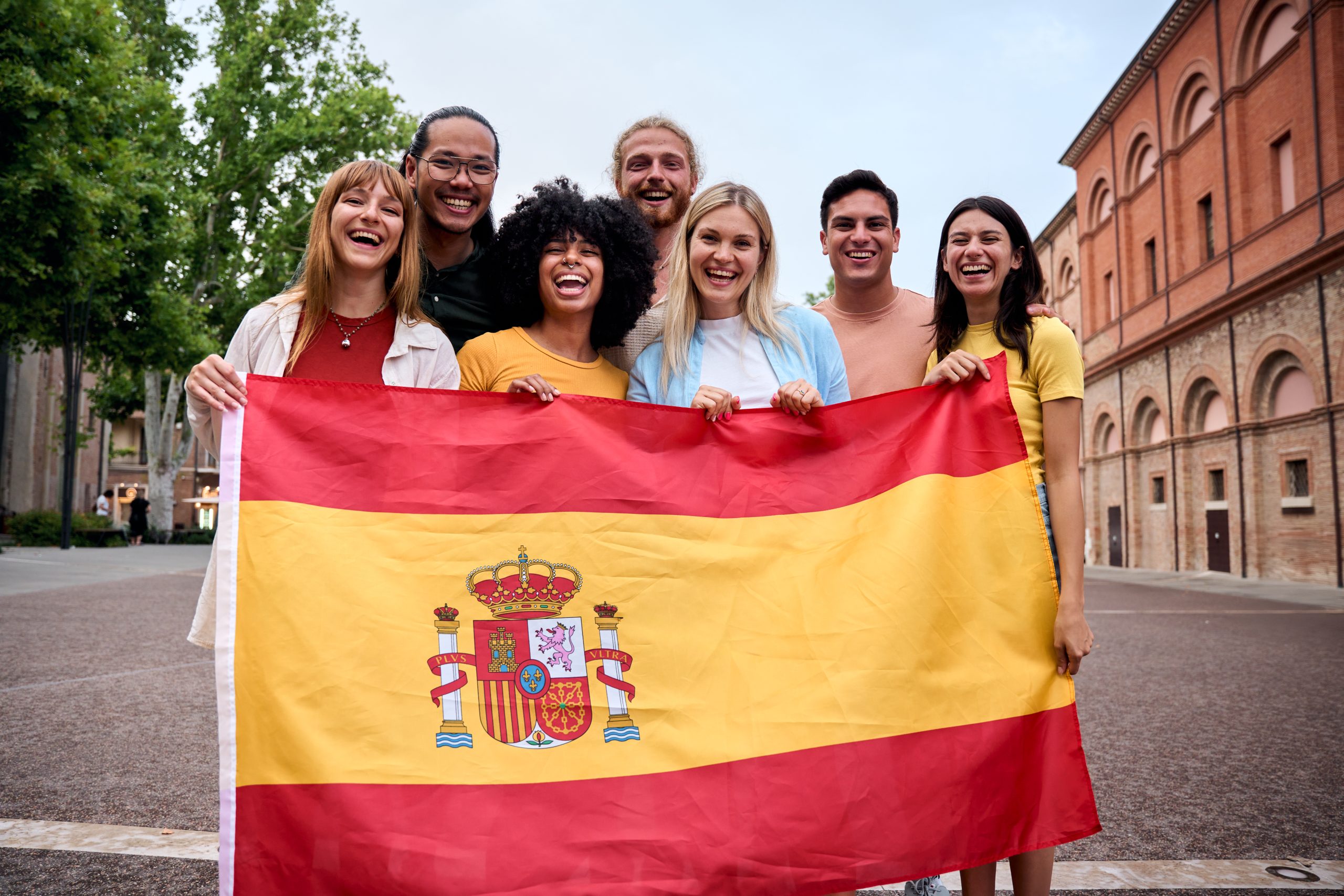
Spanish culture is vibrant and diverse, with traditions that vary widely between regions. Spain includes communities with distinct histories, languages, foods, and celebrations.
Social life is often an important part of Spanish culture. Friends and families may gather over tapas, meals, coffee, or drinks and spend considerable time talking. Food is frequently connected to social occasions rather than simply being viewed as a daily necessity.
Music and dance are also closely associated with Spain. Flamenco, particularly connected with Andalusia, combines singing, guitar, dance, and expressive movement.
Spain's festivals provide another glimpse into local traditions. Events such as La Tomatina and regional religious and cultural celebrations attract communities and visitors alike.
The country also has a relaxed approach to certain aspects of daily life, although the idea that every Spanish person takes a daily siesta is an oversimplification. In some places, traditional midday breaks have been part of the rhythm of life, while modern work and urban schedules have changed many routines.
Regional identity is particularly important. Catalonia, Galicia, the Basque Country, Andalusia, and other regions each contribute their own traditions to Spain's broader cultural landscape.
Fun fact: Spain has several co-official regional languages alongside Spanish,
including Catalan, Galician, and Basque in their respective regions.
4. Chinese Culture
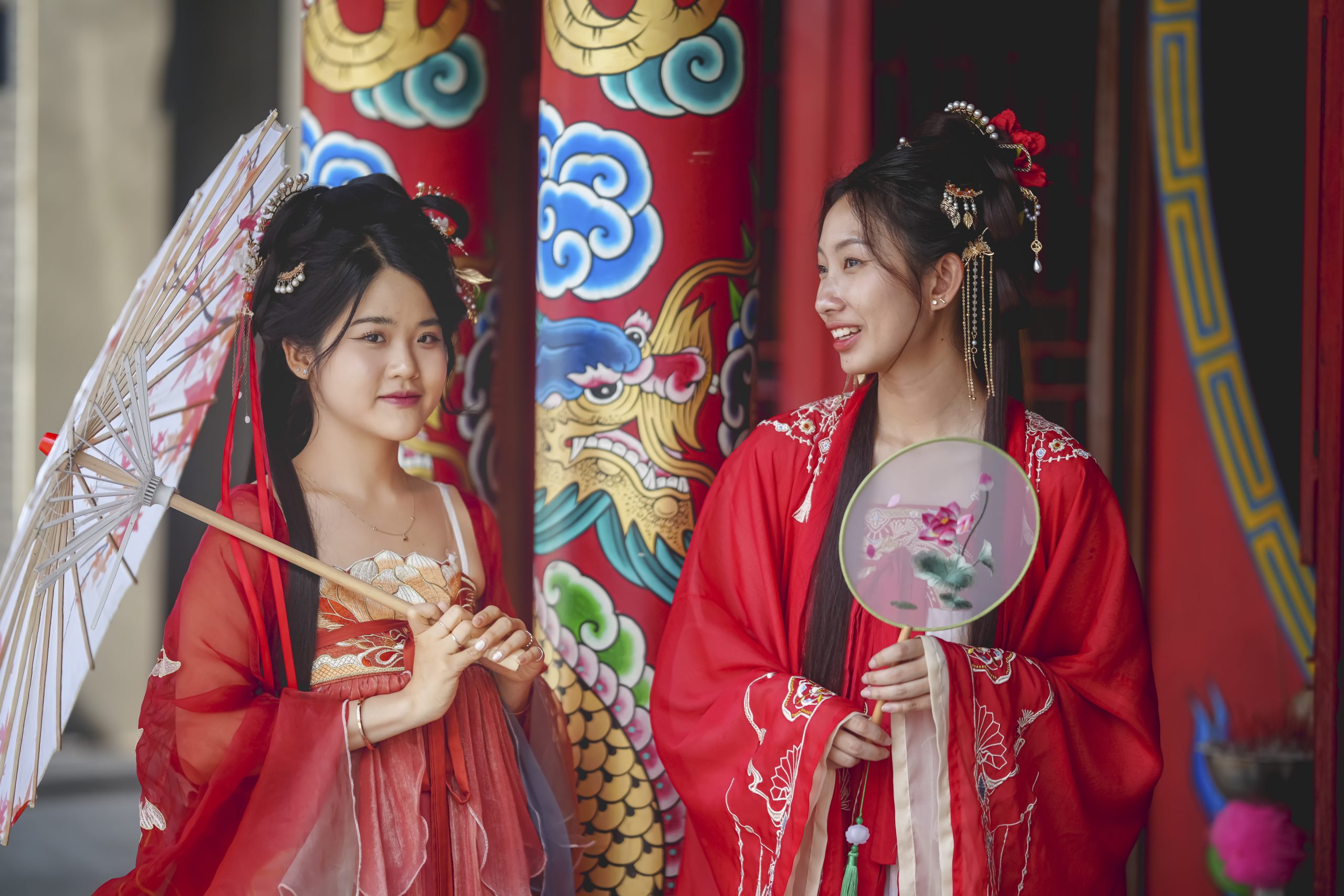
Chinese culture has developed over thousands of years and includes a vast range of regional traditions. Food, family relationships, festivals, philosophy, art, language, and respect for traditions all contribute to China's cultural identity.
Family gatherings are particularly important during major holidays. Lunar New Year, for example, is associated with family reunions, special meals, decorations, gift-giving, and traditional customs. For many families, the holiday is one of the most important times of the year to come together.
Tea has also played an important role in Chinese culture for centuries. Tea can be part of hospitality, social interaction, ceremonies, and everyday life.
Traditional arts such as calligraphy, painting, martial arts, and various forms of Chinese opera reflect the country's long cultural history. At the same time, China's modern cities are highly connected to technology, business, entertainment, and global culture.
Chinese cuisine also demonstrates the country's regional diversity. Sichuan, Cantonese, Hunan, Shandong, and other culinary traditions have their own ingredients, flavors, and cooking techniques.
Fun fact: Chinese New Year celebrations can last for many days and include numerous customs intended to welcome good fortune and prosperity.
5. American Culture

There is no single way to describe American culture because the United States is home to people with backgrounds from around the world. Regional traditions can differ greatly between states, cities, rural communities, and cultural groups.
American culture has been shaped by Indigenous peoples, immigration, African American history, European settlement, and many other cultural influences. These influences can be seen in American food, music, literature, film, sports, fashion, and festivals.
Thanksgiving is one example of a major holiday centered around family and food. Many people use the occasion to gather with relatives and friends, share a meal, and reflect on what they are thankful for, although the holiday also has a complex historical context.
American cities are particularly multicultural. A single neighborhood may feature restaurants, shops, festivals, languages, and traditions from several parts of the world.
Music is another major part of American cultural history. Jazz, blues, rock, hip-hop, country, and many other genres have developed or flourished in the United States.
American culture is also often associated with individual expression, innovation, entrepreneurship, and personal freedom. At the same time, community traditions remain important in many families and local areas.
Fun fact: The United States has no official language at the federal level, and hundreds of languages are spoken across the country.
6. Indian Culture

India is one of the world's most culturally diverse countries. Its traditions vary significantly across states and communities, with hundreds of languages and numerous regional cuisines, festivals, art forms, and customs.
Family and community relationships are important parts of life in many Indian communities. Food is often central to social gatherings, celebrations, and family occasions. Indian cuisine includes an enormous range of regional dishes, ingredients, and cooking methods.
Festivals offer some of the most visible examples of India's cultural diversity. Diwali is celebrated by many communities with lamps, decorations, sweets, prayers, and gatherings.Holi is known for its vibrant colors and festive atmosphere. India's traditions also include classical music and dance, handicrafts, textiles, literature,
architecture, and numerous regional art forms.
Greetings can vary depending on the community and situation. Namaste, accompanied by bringing the palms together, is widely recognized as a respectful greeting, although it is not the only greeting used in modern India.
What makes Indian culture especially fascinating is the way tradition and modern life exist alongside each other. Large technology-driven cities, ancient temples, contemporary entertainment, traditional markets, and modern workplaces can all be found within the same country.
Fun fact: India is home to hundreds of languages and many major regional language traditions, making language one of the clearest examples of its cultural diversity.
7. British Culture
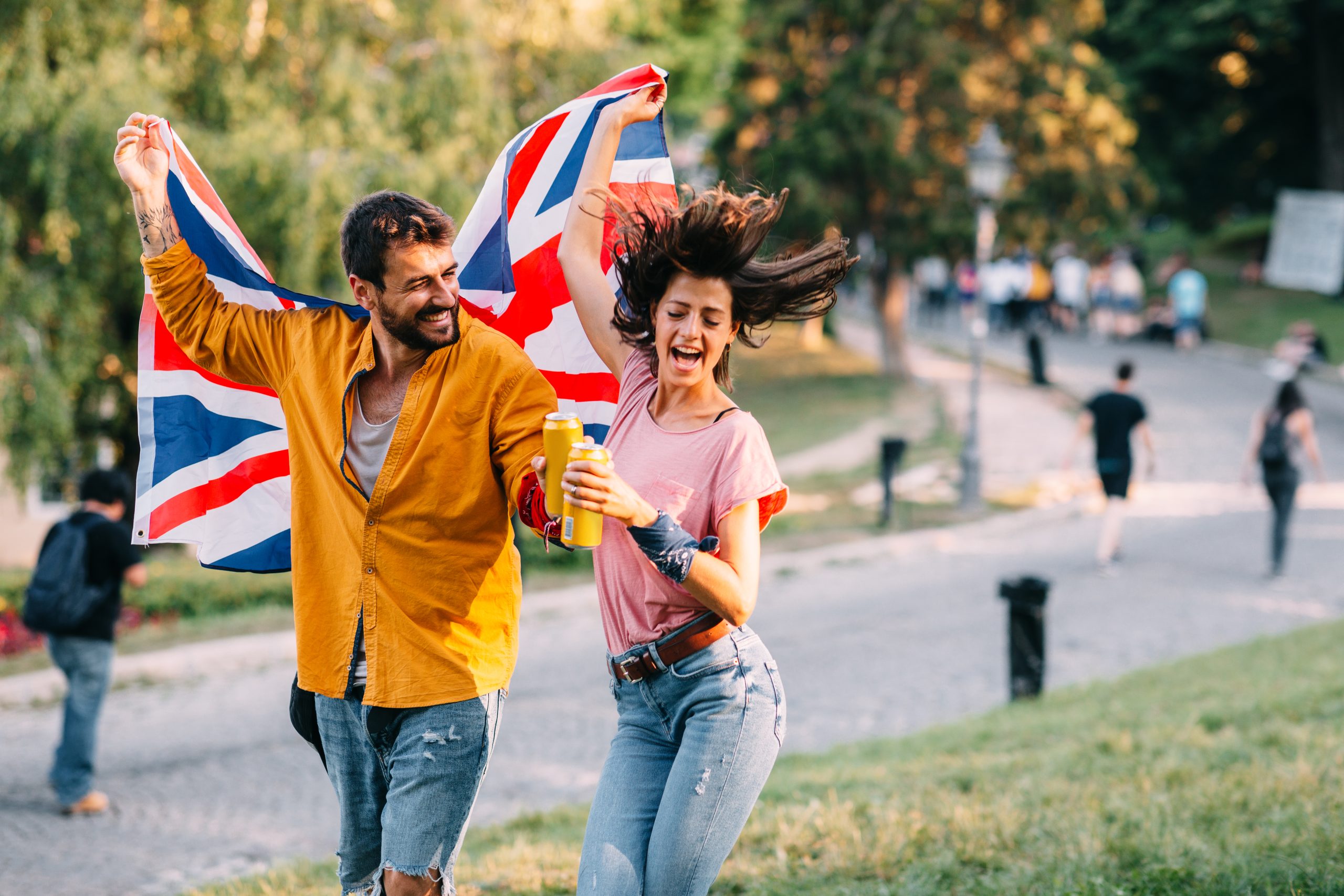
British culture brings together centuries of history with modern urban life. Castles, historic buildings, literature, theater, music, sports, and contemporary art all form part of the country's cultural landscape.
Tea is one of the traditions most commonly associated with Britain. While the idea that everyone in Britain stops for formal afternoon tea every day is more stereotype than reality, tea remains an important part of British social life.
Pubs have traditionally served as community gathering places in many towns and neighborhoods.Local festivals, markets, sporting events, and community activities also provide opportunities for people to socialize. Britain has had a major influence on literature and theater. Writers such as William Shakespeare, Jane Austen, Charles Dickens, and many others remain internationally recognized.
Modern British culture is equally diverse. London and other major cities are home to communities from around the world, creating a cultural environment influenced by many languages, cuisines, religions, and traditions.
The United Kingdom itself is also made up of four nations, England, Scotland, Wales, and Northern Ireland, each with its own cultural identities and traditions.
Fun fact: The UK's cultural traditions include everything from Highland games and Welsh Eisteddfodau to English village fêtes and Northern Irish festivals.
8. Greek Culture
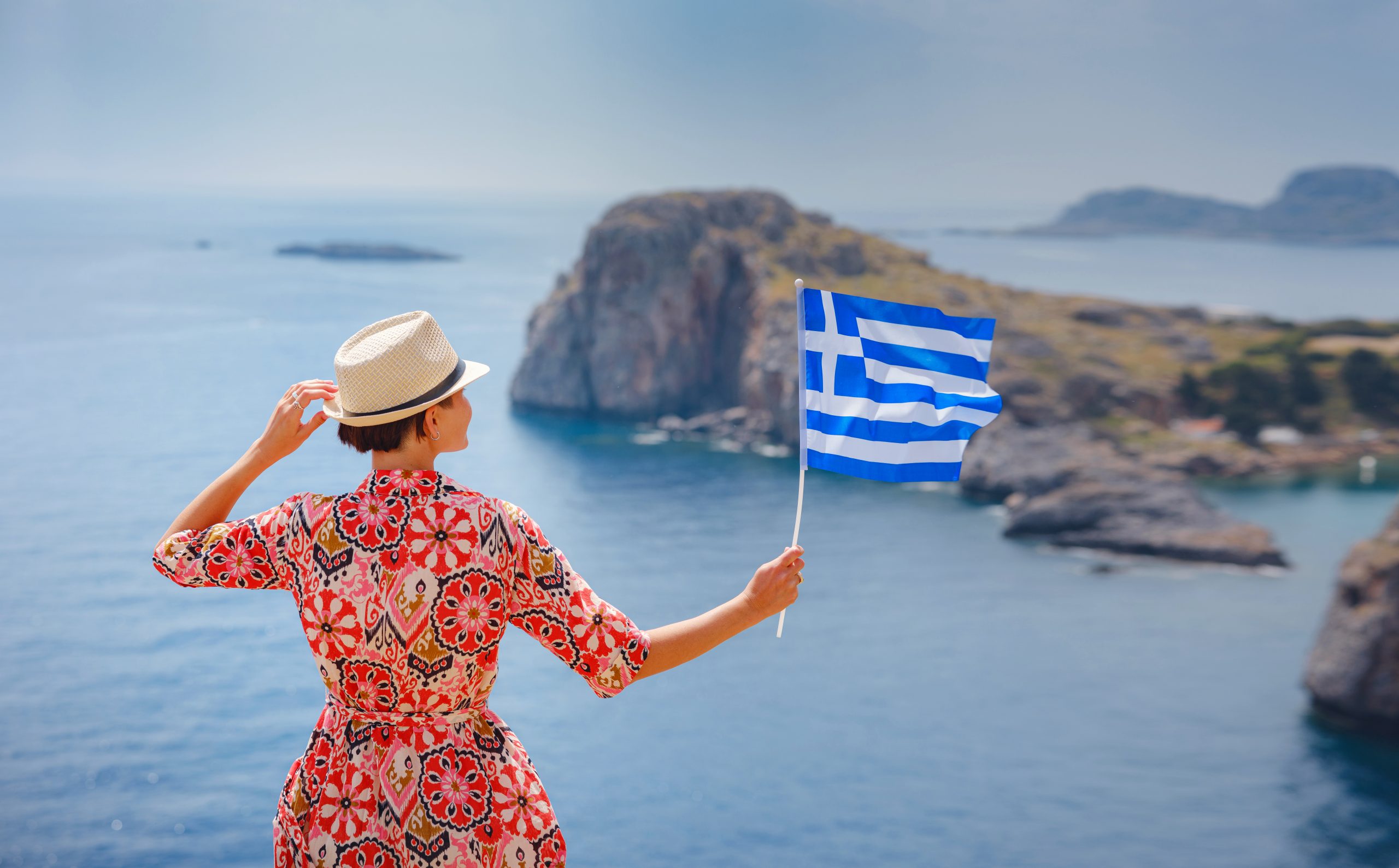
Greek culture combines ancient history with modern traditions. Greece is widely known for its archaeological sites, mythology, philosophy, architecture, and contributions to the arts, but its living culture is just as interesting.
Food plays a major role in social life. Meals can bring families and friends together around dishes such as grilled meats, vegetables, seafood, olives, bread, cheeses, and regional specialties. Hospitality is another important cultural value.
The Greek concept of philoxenia is often associated with welcoming guests and showing generosity toward visitors. Festivals, religious celebrations, village gatherings, and neighborhood events provide opportunities for people to spend time together. In many communities, music and food remain central to celebrations.
Greek culture also varies between mainland communities and the many islands, with local cuisines, dialects, traditions, and customs contributing to regional identities. Ancient Greek history remains visible throughout the country, but modern Greek life is not simply
an extension of the ancient past. Contemporary Greece has its own music, art, food culture, social customs, and way of life.
Fun fact: The Greek word philoxenia is commonly used in discussions of Greek hospitality and welcoming visitors.
9. Mexican Culture
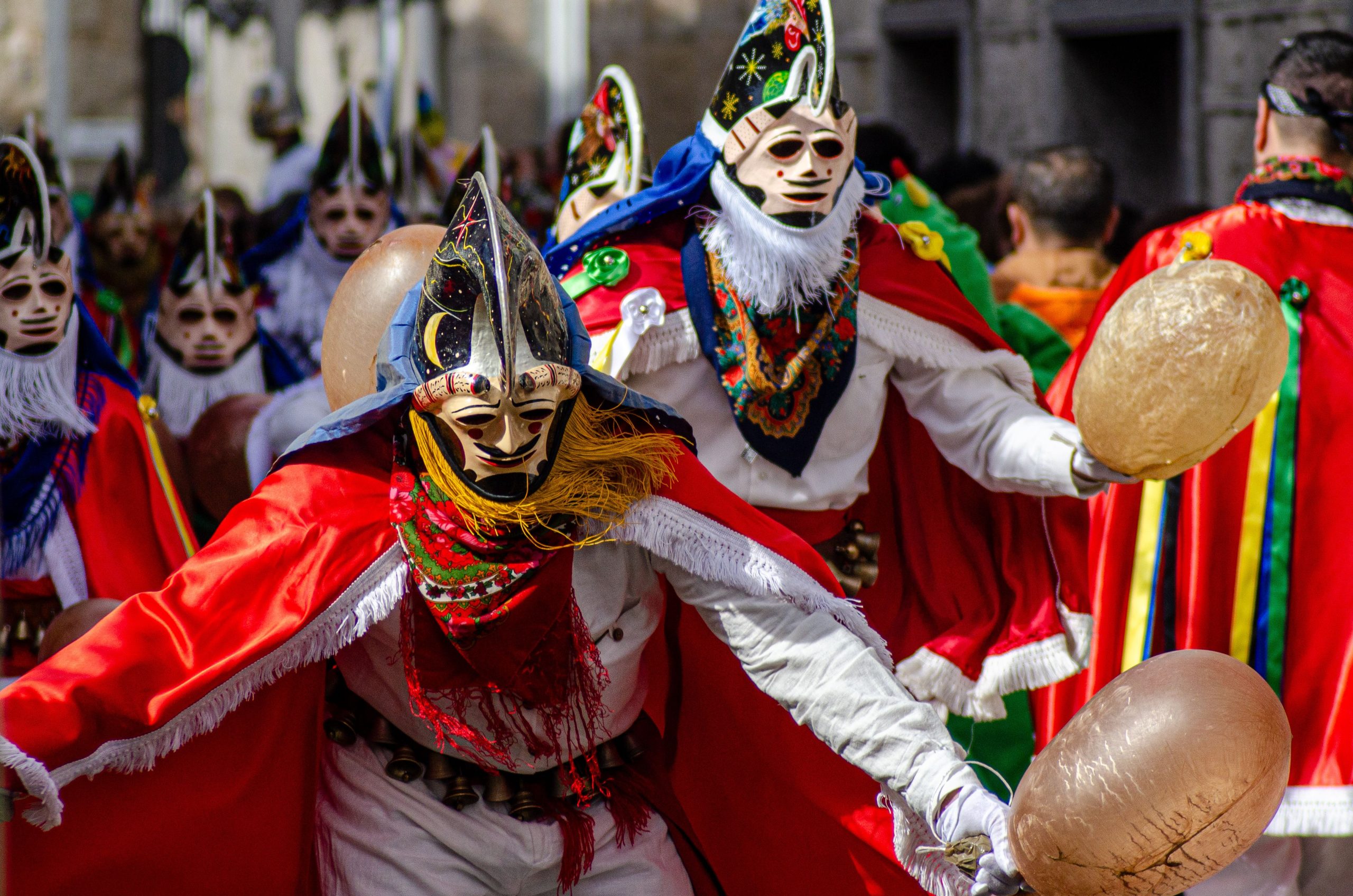
Mexican culture reflects a rich combination of Indigenous traditions, Spanish influence, and many other cultural influences that developed over centuries.
Food is one of the most recognizable parts of Mexican cultural life. Tacos, tamales, mole, pozole, tortillas, and countless regional dishes demonstrate how varied Mexican cuisine can be.
Markets are often lively social spaces where people buy food, crafts, clothing, and household goods. Traditional crafts, music, dance, and regional celebrations also help communities maintain local identities.
Día de Muertos, or Day of the Dead, is one of Mexico's best-known cultural traditions. Families may create ofrendas, decorate spaces with flowers and photographs, prepare traditional foods, and remember loved ones who have died. The celebration reflects a complex combination of Indigenous and Catholic influences.
Mexican culture also differs significantly from one region to another. Northern Mexico, the central regions, Oaxaca, Yucatán, the Gulf Coast, and other areas have their own culinary and cultural traditions.
Family gatherings, music, celebrations, and shared meals are important parts of social life for many Mexican communities.
Fun fact: Mexican cuisine was recognized by UNESCO as an Intangible Cultural
Heritage of Humanity in 2010.
10. Swedish Culture
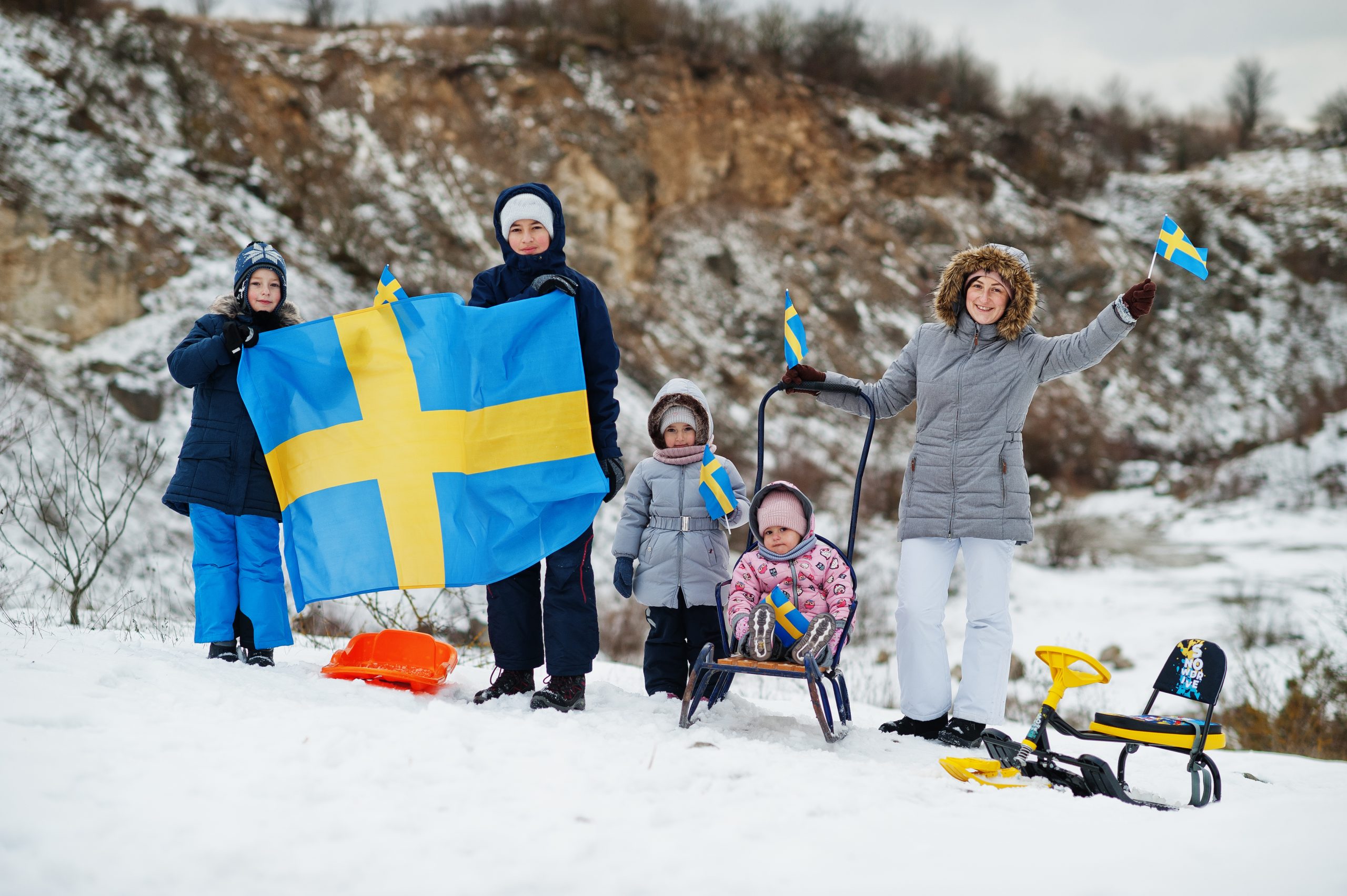
Swedish culture is often associated with balance, equality, nature, simplicity, and community.
One of the most recognizable Swedish traditions is fika. It is often described as a coffee break, but it is more than simply drinking coffee. Fika can be an opportunity to pause, enjoy something to eat, and spend time talking with friends, family, or colleagues.
Midsummer is another important Swedish celebration. Communities and families may gather outdoors, enjoy traditional foods, listen to music, dance around the maypole, and spend time together.
Nature is also closely connected to Swedish life. Forests, lakes, coastal areas, and outdoor recreation play an important role in the country's lifestyle.
Swedish culture is often associated with the idea of maintaining a healthy balance between work and personal life. However, as with every country discussed in this article, individual experiences can differ.
Modern Swedish society also places considerable emphasis on design, sustainability, social equality, and innovation.
Fun fact: Fika can happen at almost any time of day, making it as much about
social connection as it is about coffee.
Why Understanding Different Cultures Matters
Learning about different cultures is not simply a way to prepare for a vacation. It can help people communicate more thoughtfully at school, at work, online, and in everyday social situations.
A gesture that feels completely ordinary in one country may have a different meaning somewhere else. The same is true of personal space, greetings, eye contact, punctuality, gift-giving, food, and conversation.
Understanding cultural differences can help us:
- Communicate with people from different backgrounds
- Avoid unnecessary misunderstandings
- Show respect for local customs
- Build stronger international relationships
- Work more effectively with global teams
- Appreciate different approaches to food, family, and celebrations
- Become more open-minded travelers
The goal is not to memorize a list of rules for every country. It is to approach other cultures with curiosity and respect.
The Role of Language and Translation in Connecting Cultures
Language is one of the strongest links between people and culture. It carries traditions, humor, history, beliefs, and local expressions that cannot always be understood through direct word-for-word translation.
This becomes particularly important when people communicate across borders.
A traveler may need to translate a document. A business may need to communicate with international customers. A family may need important records translated into another language. Organizations working with multilingual communities may need translated information to make their services accessible.
In these situations, accurate translation matters. Machine translation can be useful for understanding a basic message, but important documents may require professional attention. Legal, medical, financial, immigration, and business documents can contain terminology where a small translation error can have serious consequences.
Professional translation services can help people communicate accurately while preserving the meaning and context of the original material. After all, language should not become a barrier that prevents people from learning about one another.
Final Thoughts
This list of different cultures is only a small introduction to the enormous cultural diversity found around the world. Italy, France, Spain, China, the United States, India, the United Kingdom, Greece, Mexico, and Sweden all offer different examples of how history, geography, language, family, food, and traditions shape everyday life.
But culture is never as simple as a checklist. Countries contain many communities, and individuals may follow traditions differently from their families or neighbors. The best way to explore the world's different cultures is therefore to remain curious without making assumptions.
And when language becomes a barrier, professional translation can help people communicate more clearly and connect across cultural boundaries. Whether you're traveling, studying, doing business internationally, or simply trying to understand someone else's perspective, learning about culture is one of the easiest ways to make the world feel a little smaller.