



























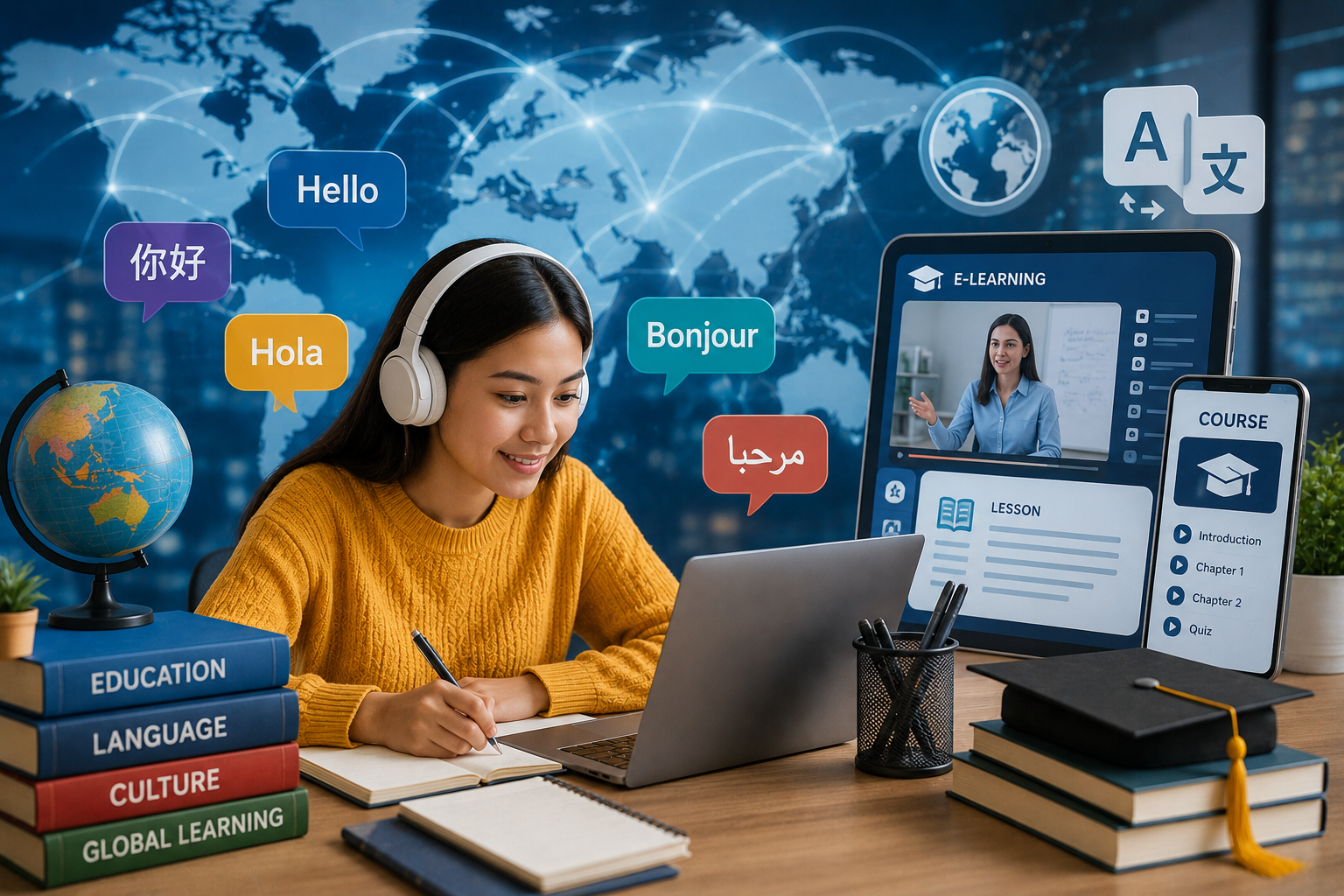
The Importance of Educational Translation Services in Global Learning

Table of Contents
-
- 1. Summary
- 2. The Role of Translation in Academic Documents
- 3. E-Learning Translation: Expanding Global Access
- 4. Avoiding Costly Misunderstandings in Education
- 5. Common Translation Challenges in Education
- 6. How Professional Translation Services Protect Institutions
- 7. Conclusion
- 8. Key Takeaways
- 9. FAQs
Summary
Imagine a student waiting for college admission or visa approval—only to find their diploma or transcript mistranslated. Errors like these can cause delays, rejections, or lost opportunities. In education, precise language is essential for learners, teachers, and institutions to communicate effectively across languages.
This guide explores the critical role of educational translation services, including e-learning translation, in ensuring accessibility, compliance, and credibility. The Spanish Group delivers certified translations that protect institutions and learners while fostering inclusive, effective education worldwide.
Accurate Language Ensures Academic Success
The Role of Translation in Academic Documents
Academic documents—diplomas, transcripts, and certificates—often travel across languages and borders. Misinterpretations of grades, course titles, or degree names can have serious consequences for students applying abroad or institutions evaluating credentials.
Key Points:
- Getting the words right matters: One mistranslated term can affect admissions, scholarships, or professional licensing.
- Consistency is critical: Students submit multiple documents; uniform translation prevents confusion.
- Compliance is mandatory: Immigration authorities, accreditation bodies, and universities require accurate translations.
Professional educational translation services ensure documents like high school diplomas and transcripts are:
- Correctly formatted
- Legally recognized
- Faithful to the original content
- Consistent across multiple submissions
The Spanish Group specializes in educational translation services, including diploma and transcript translation services, providing internationally recognized translations that safeguard students’ achievements and ensure correct evaluation.
E-Learning Translation: Expanding Global Access
Online education connects learners from diverse countries and languages. Without proper e-learning translation, content can be misunderstood, reducing engagement and learning outcomes.
Benefits of E-Learning Translation:
- Improved accessibility: Students learn in their native language, enhancing comprehension.
- Culturally relevant content: Idioms, examples, and case studies are adapted to learners’ contexts.
- Global reach: Institutions attract international students and corporate clients.
Challenges include:
- Translating specialized terminology accurately
- Maintaining clarity while localizing cultural references
- Subtitling or captioning multimedia content correctly
Certified providers like The Spanish Group combine linguistic expertise with educational knowledge to deliver e-learning translations that are accurate, culturally sensitive, and improve student satisfaction.
Avoiding Costly Misunderstandings in Education
Common Translation Challenges in Education
Translation may seem simple, but errors are frequent and costly. Typical challenges include:
- Misinterpretation of terms
- Regional language differences
- Formatting issues
- Legal compliance concerns
Errors can delay applications, cause academic document rejection, or create confusion in international collaborations. Certified translation services prevent these issues by ensuring accuracy, cultural relevance, and regulatory compliance.

How Professional Translation Services Protect Institutions
Educational institutions, test providers, and e-learning platforms rely on translations to protect their credibility. Professional translation services provide:
- Accuracy: Correct terminology, idioms, and historical references
- Cultural relevance: Language and tone adapted for learners
- Compliance: Legal, financial, and academic standards maintained
- Consistency: Uniform language across documents and platforms
Real-World Scenario:
A U.S. university admitted a student whose transcript translation misinterpreted a key grade. The student’s scholarship eligibility was questioned, causing delays and reputational risk. The Spanish Group provided certified educational translation services, correcting the transcript, ensuring compliance, and restoring the institution’s credibility.
Using certified translation services allows institutions to mitigate miscommunication risks, uphold standards, and build trust with students, staff, and regulators.
Conclusion
In education and e-learning, precise translation is not optional—it’s critical. From high school diploma translation to e-learning content localization, mistakes can delay admissions, disrupt learning, and damage institutional credibility. Understanding cultural nuances ensures learners receive clear, accurate, and contextually relevant materials.
Certified educational translation services, like those offered by The Spanish Group, protect institutions and students by providing compliant and professional translations across multiple languages. In today’s global learning environment, partnering with experts ensures documents, e-learning content, and communications maintain integrity, clarity, and effectiveness across borders.
Key Takeaways
- Educational translation services help students and institutions avoid costly errors and delays.
- Accurate translation of diplomas, transcripts, and certificates supports admissions and credential evaluations.
- E-learning translation improves accessibility, engagement, and global reach.
- Professional translators ensure cultural relevance, consistency, and legal compliance.
- Certified translation services protect institutional credibility and support successful international education.