



























Jan 15, 2025
Summary
Wildfire smoke poses serious health risks, including respiratory and cardiovascular problems, particularly for vulnerable populations. This guide explains essential wildfire smoke safety measures such as monitoring air quality, limiting exposure, creating clean indoor spaces, and preparing for evacuations. It also highlights the critical role of professional translation services in making emergency information accessible across multiple languages and cultures. Accurate, culturally relevant translations help governments, health agencies, and communities communicate life-saving guidance effectively, ensuring public safety during wildfire emergencies and disaster response efforts.
Guide for Health Prevention and Care During Wildfires
Returning home after a wildfire
Prepare for fire season

Page 1

Page 2
Returning home after a wildfire

Page 1

Page 2
Protect Yourself from Wildfire Smoke: Translation Guidelines for Public Safety
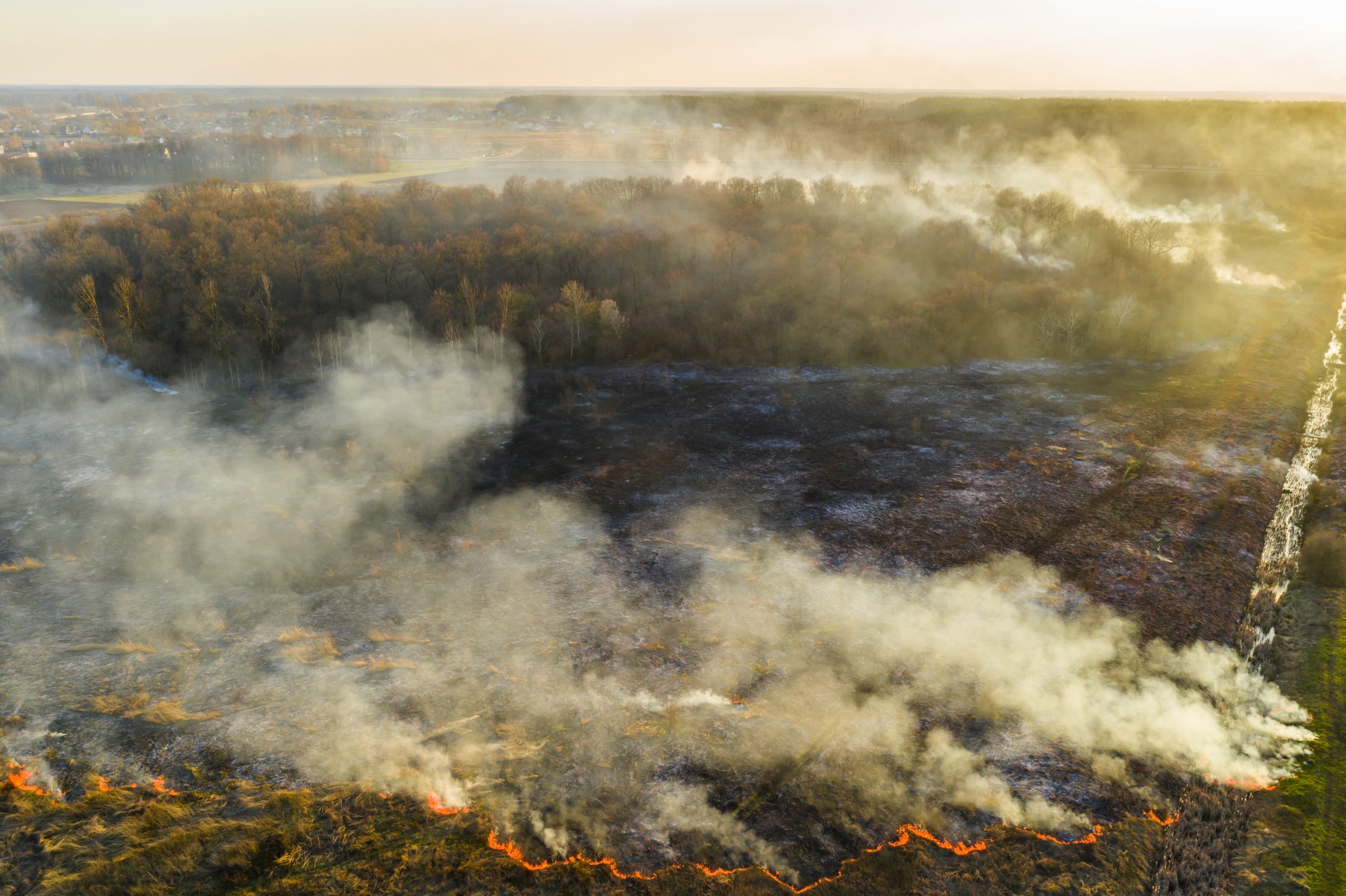
Wildfires have become a global concern, affecting communities, wildlife, and the environment. As these disasters grow in intensity and frequency, their far-reaching consequences include widespread smoke inhalation, which can severely impact public health. For translation companies, ensuring accurate and accessible translations of wildfire protection and smoke inhalation guidelines is critical. Here, we explore key aspects of wildfire smoke guidelines and professional translation services' role in safeguarding communities.
The Hazards of Wildfire Smoke
Wildfire smoke is a complex mixture of gases and fine particles from burning vegetation, buildings, and other materials. This smoke contains pollutants such as carbon monoxide, volatile organic compounds (VOCs), and particulate matter (PM2.5), all posing significant health risks. The primary dangers include:
- Respiratory Issues: Inhalation of fine particles can irritate the lungs, causing coughing, wheezing, and shortness of breath.
- Cardiovascular Effects: Prolonged exposure may exacerbate heart conditions and increase the risk of heart attacks.
- Vulnerable Populations: Children, older adults, pregnant women, and individuals with pre-existing conditions are particularly at risk.
- Long-Term Health Concerns: Chronic exposure can lead to reduced lung function and other lasting health issues.
Clear communication of these risks is essential to prevent adverse health outcomes. However, language barriers can hinder the dissemination of life-saving information, particularly in multilingual regions.
Guidelines for Protecting Against Smoke Inhalation
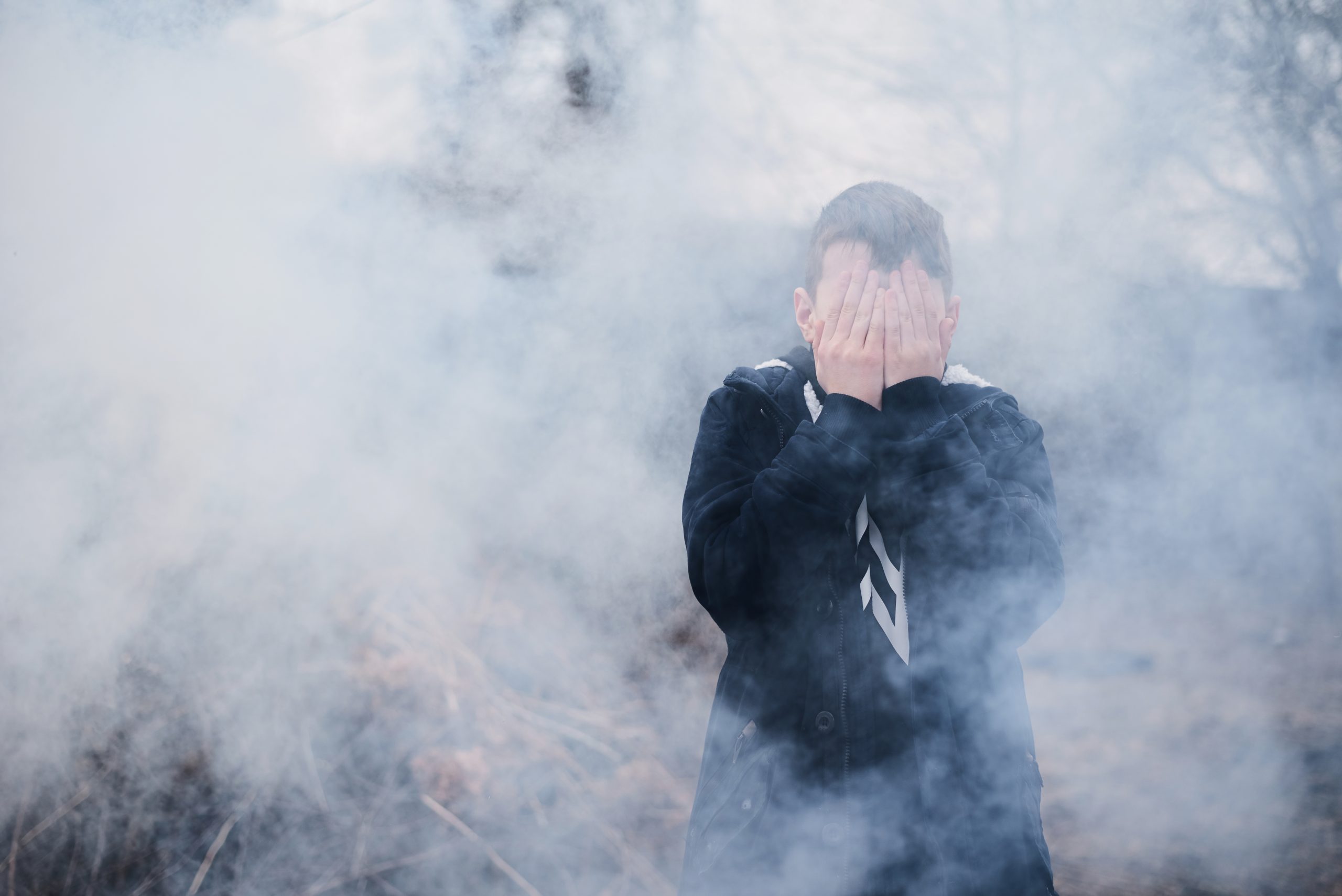
Health agencies worldwide recommend practical measures to minimize exposure to wildfire smoke. Translating these guidelines accurately ensures they reach diverse populations effectively. Below are common safety recommendations:
- Stay Informed
- Monitor Air Quality: Use apps or websites like AirNow to check local air quality index (AQI).
- Alerts and Warnings: Stay updated on wildfire developments and evacuation notices through official channels.
- Limit Exposure
- Stay Indoors: Keep windows and doors closed to reduce smoke infiltration.
- Use Air Purifiers: High-efficiency particulate air (HEPA) filters can improve indoor air quality.
- Avoid Outdoor Activities: Postpone exercise or work during high-smoke periods.
- Create a Clean Room
- Designate a room in your home with minimal outdoor air entry.
- Use portable air cleaners and seal any gaps to keep the room smoke-free.
- Wear Protective Gear
- Use N95 or P100 respirators if you must go outdoors. Ordinary cloth masks do not provide sufficient protection against fine particles.
- Plan for Evacuation
- Have an emergency kit with essentials like medications, water, and food.
- Know your community’s evacuation routes and shelters.
- Care for Vulnerable Individuals
- Pay special attention to children, the elderly, and those with health conditions.
- Consult healthcare professionals for guidance tailored to specific needs.
These guidelines are invaluable, but their effectiveness depends on their accessibility. Translation companies bridge the gap by ensuring that such information is available in multiple languages, culturally relevant, and easy to understand.
Translation Challenges in Wildfire Protection Communications
Providing translations of wildfire protection materials involves unique challenges:
- Technical Terminology: Terms like “particulate matter,” “AQI,” and “HEPA filters” require precise translations to avoid misinformation.
- Cultural Nuances: Evacuation procedures or protective measures may need adaptation to align with local customs and practices.
- Urgency: Wildfires escalate quickly, requiring rapid translation and dissemination of information.
- Multimodal Content: Materials may include posters, videos, apps, and websites, all of which demand consistency and clarity.
Best Practices for Translating Wildfire Smoke Guidelines
Translation companies must follow best practices to ensure effective communication:
-
Engaging Certified Translators
- Certified translators with expertise in health and safety terminology provide accurate and trustworthy translations.
-
Leveraging Technology
- Using translation management systems (TMS) and glossaries to ensure consistency across materials.
- Employing quality assurance tools to minimize errors.
-
Prioritizing Cultural Relevance
- Collaborating with native speakers to ensure translations resonate with local communities.
- Adapting imagery, examples, and language tone to suit cultural contexts.
-
Focusing on Accessibility
- Simplifying language to cater to all literacy levels.
- Using visual aids, icons, and videos for clearer communication.
-
Collaborating with Authorities
- Working closely with public health agencies and emergency responders to align messaging.
- Translating government-issued updates promptly and accurately.
Case Studies: Impactful Translation in Action
Several real-world examples highlight the critical role of translation in disaster response:
- California Wildfires: During the 2020 wildfire season, California’s diverse population required multilingual alerts. Agencies partnered with translation companies to provide materials in Spanish, Chinese, Vietnamese, and other languages, ensuring equitable access to life-saving information.
- Australian Bushfires: In 2019-2020, translations of smoke inhalation guidelines into indigenous languages proved vital for remote communities, emphasizing the importance of cultural sensitivity.
- European Heatwaves and Wildfires: Countries like Greece and Portugal have incorporated multilingual wildfire guidelines into their disaster preparedness strategies, reducing casualties and health impacts.
Why Professional Translation Matters
Professional translation services are indispensable in disseminating wildfire protection and smoke inhalation guidelines. Their contributions include:
- Accuracy: Reducing the risk of misunderstandings that could lead to health complications or fatalities.
- Timeliness: Ensuring swift delivery of critical updates in emergencies.
- Inclusivity: Empowering non-native speakers to make informed decisions.
Partnering with Translation Companies for Emergency Preparedness
Organizations, governments, and health agencies should collaborate with translation companies to prepare for future wildfire seasons. Here’s how:
- Developing Multilingual Resources in Advance: Proactive translation of safety materials ensures readiness.
- Investing in Localization: Tailoring content for specific demographics and regions.
- Conducting Community Outreach: Distributing translated materials through schools, workplaces, and community centers.
- Evaluating Effectiveness: Gathering feedback to improve translations and communication strategies over time.
Conclusion
The Hazards of Wildfire Smoke
As wildfires continue to pose a significant threat, clear and accessible communication of smoke inhalation guidelines is essential. Translation companies play a pivotal role in ensuring that language is not a barrier to public safety. By providing accurate, culturally relevant, and timely translations, they help protect lives and promote resilience in the face of natural disasters.
Check out this blog in different languages.
- Spanish (Español)
- Chinese Mandarin (中文)
- Tagalog
- Vietnamese (Tiếng Việt)
- Korean (한국어)
- Armenian (Հայերեն)
- Persian (Farsi - فارسی)
- Hindi (हिन्दी)
- Japanese (日本語)