





























Summary
Le Mexique et l’Espagne partagent une langue commune et un héritage historique lié à la colonisation espagnole, mais chacun possède une identité culturelle unique. Leurs traditions, festivals, arts, musiques et cuisines reflètent des influences distinctes façonnées par leur histoire. En explorant leurs similitudes et leurs différences, on découvre la richesse de leur patrimoine culturel et la diversité qui caractérise les sociétés hispanophones.
The Olympic Games are a global event that brings together athletes from around the world to compete in the spirit of unity and sportsmanship. This international gathering highlights the diversity of languages and cultures, making effective communication crucial. Translation services are vital in ensuring smooth operations and an inclusive experience for all participants and viewers. Here are some fun and historical facts about the role of translation at the Olympics, and how certified companies like The Spanish Group contribute to this essential task.
Multilingual Nature of the Olympics
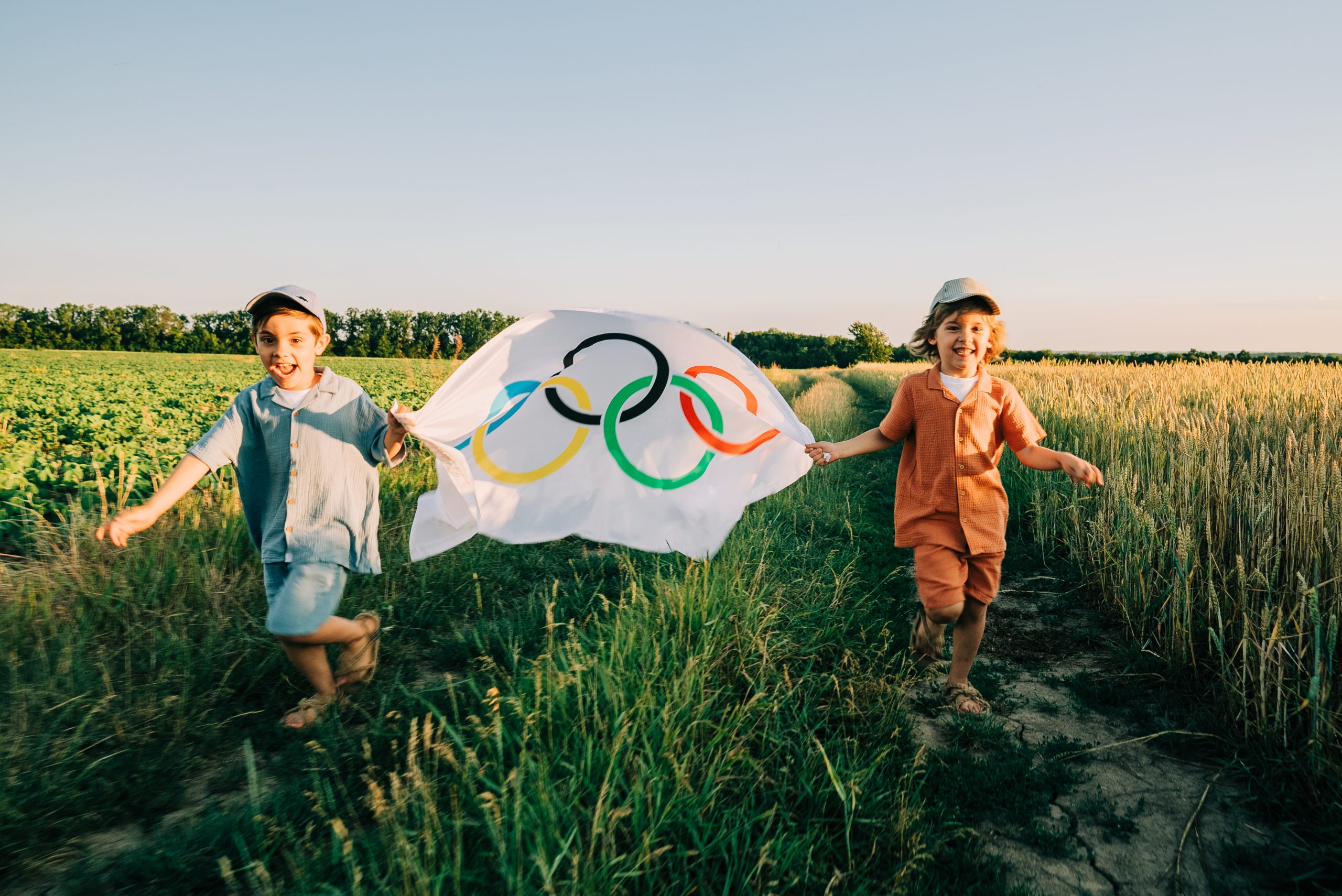
The Olympics are inherently multilingual, reflecting the global nature of the event. The official languages of the Olympic Movement are French and English. However, the host country’s language is also used during the Games. This multilingual setup necessitates comprehensive translation and interpretation services to manage everything from athlete interviews to official announcements and ceremonies.
Historical Highlights
- The First Modern Olympics: The 1896 Athens Olympics, which marked the revival of the ancient games, saw participants from 13 countries. At that time, French was predominantly used for official communication, but the need for multiple language translations became apparent as the number of participating nations grew.
- The 1936 Berlin Olympics: These games were notable not only for their political context but also for the expanded use of multiple languages. For the first time, simultaneous interpretation was introduced to assist with the language diversity.
- The 1960 Rome Olympics: Rome saw significant advancements in translation technology with the introduction of real-time translations during the games. This innovation marked the beginning of more sophisticated translation services in the Olympics.
Fun Facts
- Simultaneous Interpretation: The use of simultaneous interpretation, where interpreters translate spoken words in real-time, became a standard feature at the Olympics by the 1960s. This service is crucial for press conferences, official meetings, and live broadcasts.
- The Olympic Charter: The Olympic Charter, which codifies the principles of Olympism, is published in both French and English. Any discrepancies between the texts are resolved by referring to the French version, highlighting the language’s historical significance in the Olympic Movement.
- Volunteer Translators: The Olympics rely heavily on volunteer translators. At the 2016 Rio Olympics, for example, thousands of volunteers provided language services in over 30 languages, ensuring effective communication among athletes, officials, and media personnel.
- Technology and Translation: At the recent Olympics, technology has played a crucial role in overcoming language barriers. Mobile apps, real-time translation devices, and advanced software have made it easier for participants to communicate, access information and enjoy the Games.
Role of Certified Companies
Certified companies such as The Spanish Group provide essential translation services tailored to the Olympics. They ensure that translations are not only accurate, but also culturally sensitive and contextually appropriate. By utilizing the expertise of such companies, the Olympic Games can offer international visitors a more inclusive and enjoyable experience.
Conclusion
Translation and interpretation services are fundamental to the success of the Olympic Games, ensuring that language barriers do not hinder the spirit of international cooperation and competition. From historical advancements to modern technological solutions, the role of translation at the Olympics highlights the importance of effective communication in bringing the world together. Certified companies such as The Spanish Group play a crucial role in delivering accurate and culturally relevant translations, helping to make the Games a truly global celebration.