



























Jul 13, 2014
Summary
The article highlights four influential men who played a major role in shaping Spanish art and culture. It discusses renowned artists such as Pablo Picasso, Salvador Dalí, Francisco Goya, and Diego Velázquez. Each artist contributed uniquely, from revolutionary modern art styles to classical masterpieces that captured historical and social realities. The article emphasizes their lasting global impact, showcasing how their creativity and innovation helped define Spain’s artistic identity. Overall, their works continue to influence modern art and inspire generations of artists and art enthusiasts worldwide.
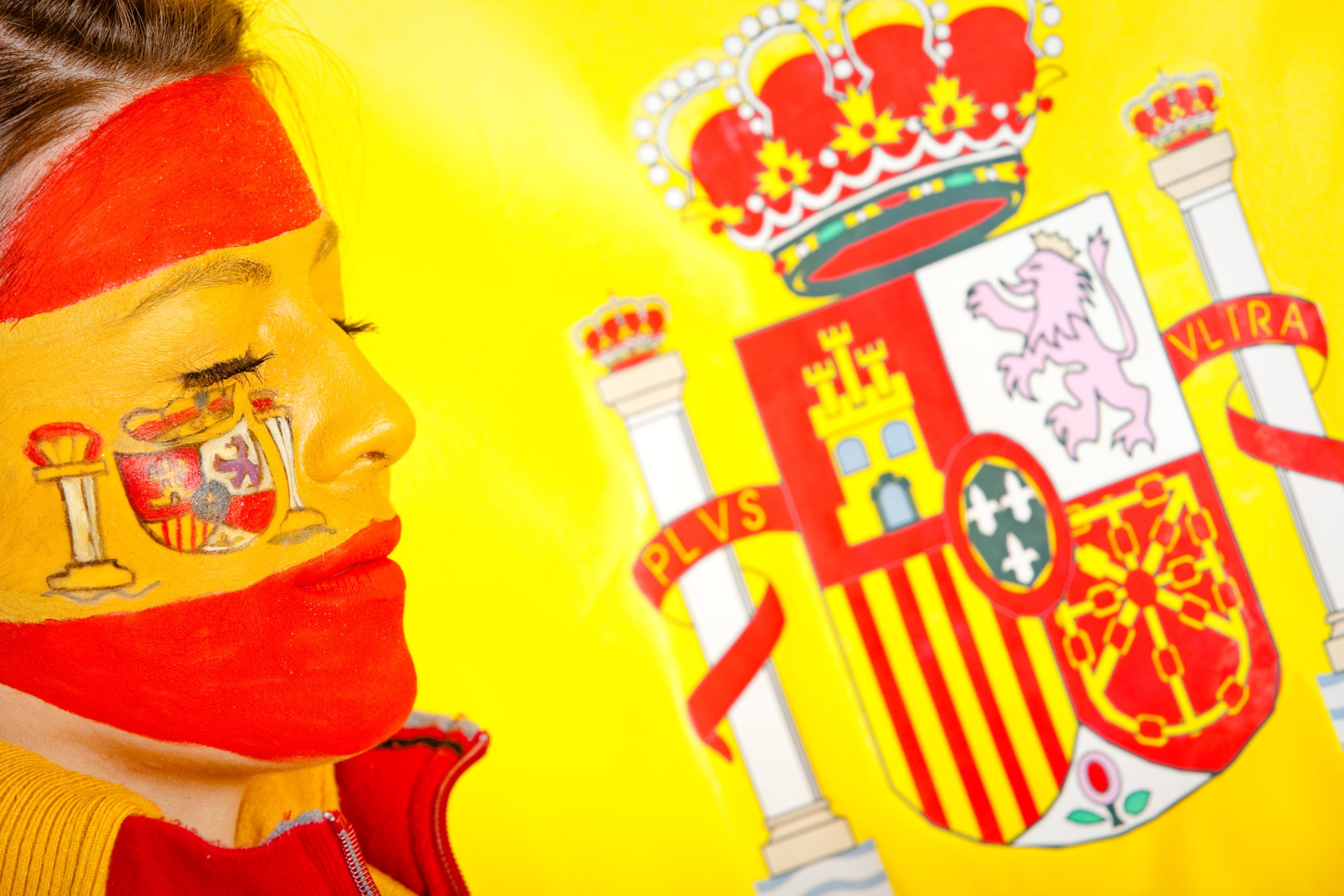
Four Men Behind Spanish Art
Spanish art is one of the most dominant forces behind Western art.
According to DonQuijote.org, Spanish art history dates back to more than 18,000 years ago which includes cave paintings found in the Altamira caves in Cantabria. Today, it is distinguished by its various historical (Counter Reformation and Bourbon dynasty) and cultural (Moorish heritage) influences.
Here are four of the most influential men who helped shape Spanish art as we know it today.
1. Diego Velazquez. Born in Seville, Velazquez was a member of King Philip IV’s court. He is known for his portrait of Pope Innocent X, The Triumph of Bacchus, and the Las Meninas. During his early years, his work reflected traditional religious themes which were later influenced by Italian naturalism specifically by the work of Caravaggio. He died on in 1660, two years after he was made a knight of Santiago. Velazquez is considered an inspiration of masters like Pablo Picasso and Salvador Dali.
2. Pablo Picasso. Pablo Picasso is not just a name in Spanish art. His name and legacy is associated with the art movement he helped establish and popularize—cubism. Cubism is a form of art that focuses on the abstract which allows art viewers to look at art from their own version of reality and see something different based on their own perception. Some of Picasso’s most renowned works are Guernica, The Old Guitarist, Three Musicians, Girl Before a Mirror, Femme aux Bras Croises, and Les Demoiselles d’Avignon.
3. Francisco de Goya. This Aragonese painter and printmaker is best known for his artworks with social commentary, and for his depictions of Spanish royalty. During the reign of the Bourbon king, Charles III, Goya found inspiration and came to artistic maturity. When Napoloen Bonaparte invaded Spain, Goya used art to chronicle the atrocities of that time. Two of his paintings, The Second of May 1808 and The Third of May 1808, depicts Spain’s uprising against France. The work also bears evidence of artistic influences from Velazquez and Rembrandt. Goya also produced a series of 85 prints called The Disasters of War, which as the name implies, portrays the horrors he witnessed during the Spanish struggle for independence.
4. Salvador Dali. Catalan master Salvador Dali is associated with the surrealist art movement which boomed in the 1920s until the 1950s. His most famous work is The Persistence of Memory. His body of work also included masterpieces in film, sculpture, architecture, literature, graphic arts, and even fashion and photography. Dali’s larger-than-life personality and famous mustache has made him a cultural icon for today’s generation of modern surrealists.

San Diego and Orange County Translation Service
Just as art appreciation is universal, the Hispanic language is also fast becoming one of the world’s most spoken languages.
Organizations or individuals who require professional translation services in San Diego and Orange County go to The Spanish Group. Its San Diego and Orange County translation service offerings are renowned for their quality, reliability, competitive pricing and fast turnaround times.
For more information on The Spanish Group’s San Diego and Orange County translation service offerings, call (800) 460-1536 or visit https://www.thespanishgroup.org. Interested clients can also follow The Spanish Group on Twitter (www.twitter.com/thespanishgroup) or on Facebook (http://www.facebook.com/thespanishgroup).
References:
http://en.wikipedia.org/wiki/Spanish_art
http://www.biography.com/people/diego-vel%C3%A1zquez-38179#awesm=~oIh0YqrLSMzKA3
http://www.metmuseum.org/toah/hd/goya/hd_goya.htm
http://en.wikipedia.org/wiki/Salvador_Dal%C3%AD#Theatre_and_film