

















Close Menu
">

Cocina y cultura: Cómo la comida refleja las sociedades de todo el mundo

Cuisine and Culture- How Food Reflects Societies Around the Globe

resumen

La cocina y la cultura están profundamente conectadas, ya que la comida refleja la historia, identidad y valores de cada sociedad. A través de los ingredientes, las técnicas culinarias y las tradiciones, es posible comprender cómo viven y qué valoran las personas. Además, la comida desempeña un papel importante en celebraciones, rituales y reuniones sociales, fortaleciendo los lazos comunitarios. También muestra influencias históricas como el comercio, la migración y la colonización. Con la globalización, surgen nuevas combinaciones culinarias que mezclan culturas. En conjunto, la gastronomía actúa como un espejo de la diversidad cultural y permite entender mejor las sociedades del mundo.


Food is more than just sustenance: it's a reflection of culture, history, and identity. A society's culinary traditions often reveal its values, beliefs, and social structure. In this blog, we'll explore how food reflects societies around the world, highlighting the variety of flavors and traditions that make each culture unique.


Cultural significance of food

In many cultures, food plays a vital role in social gatherings, religious ceremonies, and rites of passage. The types of food consumed, how they are prepared, and the customs associated with shared meals provide insight into a society's cultural heritage and values.


Historical influences

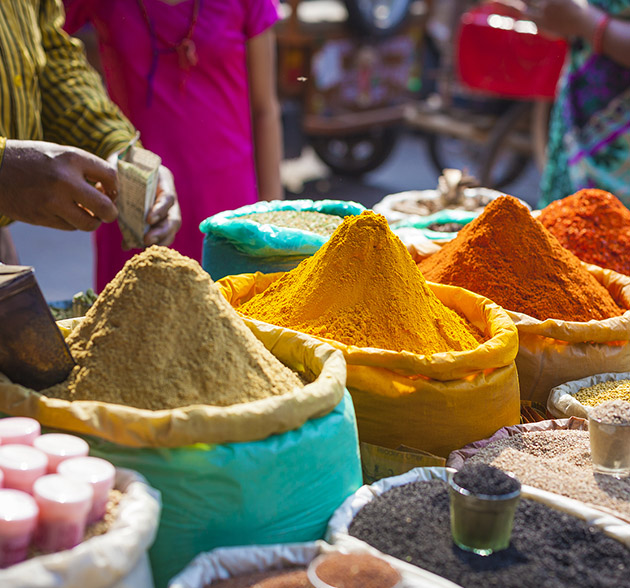
Food also reflects the historical influences that have shaped a society. For example, the spices used in Indian cuisine reflect the country's history of trade with other cultures, while the use of rice in many Asian countries reflects the importance of agriculture in those regions.


Social structure and identity

Food is also a marker of social structure and identity within a society. In some cultures, certain foods are reserved for special occasions or specific social classes, reflecting social hierarchy. Food is also a way for a person to express their cultural identity and heritage, even if they live far from their ancestral homeland.


Globalization and fusion cuisine

In an increasingly globalized world, culinary traditions evolve as different cultures interact and influence one another, leading to the rise of fusion cuisine, in which traditional dishes are reinterpreted with new ingredients and culinary techniques. This trend highlights the dynamic nature of food and its ability to adapt to changing cultural landscapes.


Conclusion

Food is a powerful lens through which we can see and understand the different societies of the world. When we explore the culinary traditions of diverse cultures, we gain a deeper appreciation for the diversity of human experience and how food shapes and reflects our identities, histories, and values.

FAQs


1. How does food reflect a culture?

Food is a window into a society’s history, values, and traditions. The ingredients, cooking methods, and dining rituals reveal how people live, what they value, and how they celebrate life.

2. Why are certain foods tied to festivals or rituals?

Many cultures use food to mark important events, from religious ceremonies to seasonal festivals. Special dishes often carry symbolic meanings, like luck, prosperity, or gratitude, reflecting the society’s beliefs and customs.

3. Can cuisine tell us about a society’s history?

Absolutely. Culinary traditions show historical influences like trade, migration, and colonization. For example, Indian use of spices shows centuries of trade, while Latin American dishes reflect a blend of indigenous and European influences.

4. How does food express social identity?

What people eat—or don’t eat—can signal their social status, community, or heritage. Certain foods may be reserved for elites, ceremonies, or specific cultural groups, and recipes passed through generations help maintain cultural identity.

5. What impact does globalization have on traditional cuisines?

Globalization introduces new ingredients and cooking techniques, leading to fusion cuisines. While traditions evolve, this blending also shows the adaptability of food and how cultures influence one another over time.

Frequently Asked Questions

Can your team accurately translate legal documents?


Absolutely! Our professional team has been specifically trained to handle legal terminology and complexities, ensuring accurate translations every time. Additionally, all our translations go through a proofreading process.

How secure is my confidential information?


At The Spanish Group, we take data security seriously. Our platform is built with robust security measures to protect your confidential documents and ensure your information remains secure.

What sets The Spanish Group apart from other services?


We offer certified reviews by skilled professional translators, ensuring impeccable accuracy. Our commitment to linguistic precision and context retention results in exceptional translations tailored to your specific requirements.

Can I trust The Spanish Group with my sensitive research data?


Absolutely! We prioritize data protection and implement stringent security measures. Our platform adheres to the highest encryption standards, multi-layer authentication, and secure servers, ensuring the confidentiality of your content throughout the translation process.

How can I track my translation order?


Tracking your order is easy! Our 24/7 customer service support is available to provide updates and address any queries you may have.

Can I get personalized assistance if I face any issues during my translation process?


Certainly! Our customer service team is available 24/7 to provide personalized support and address any concerns you may have. Whether you need help with order placement, have questions about our services, or encounter any issues, we're here to assist you every step of the way.

How long does it take to translate documents?


Translation times vary based on document complexity and length. However, you can expect rapid turnaround times compared to traditional translation services.

What languages does The Spanish Group support?


We offer comprehensive translation services for a wide range of languages, guaranteeing seamless assistance with your document translation needs, regardless of the language pair.

What file formats does The Spanish Group support?


Our platform supports an extensive array of file formats, including documents (e.g., Word, PDF), presentations (e.g., PowerPoint), websites, and more. If you have specific format requirements, please contact our dedicated customer support team.